The long-tailed monkey with the scientific name Macaca fascicularis, is one of the most widespread primates in Indonesia. In fact, some of its subspecies are only found on small islands and are now facing serious pressure.
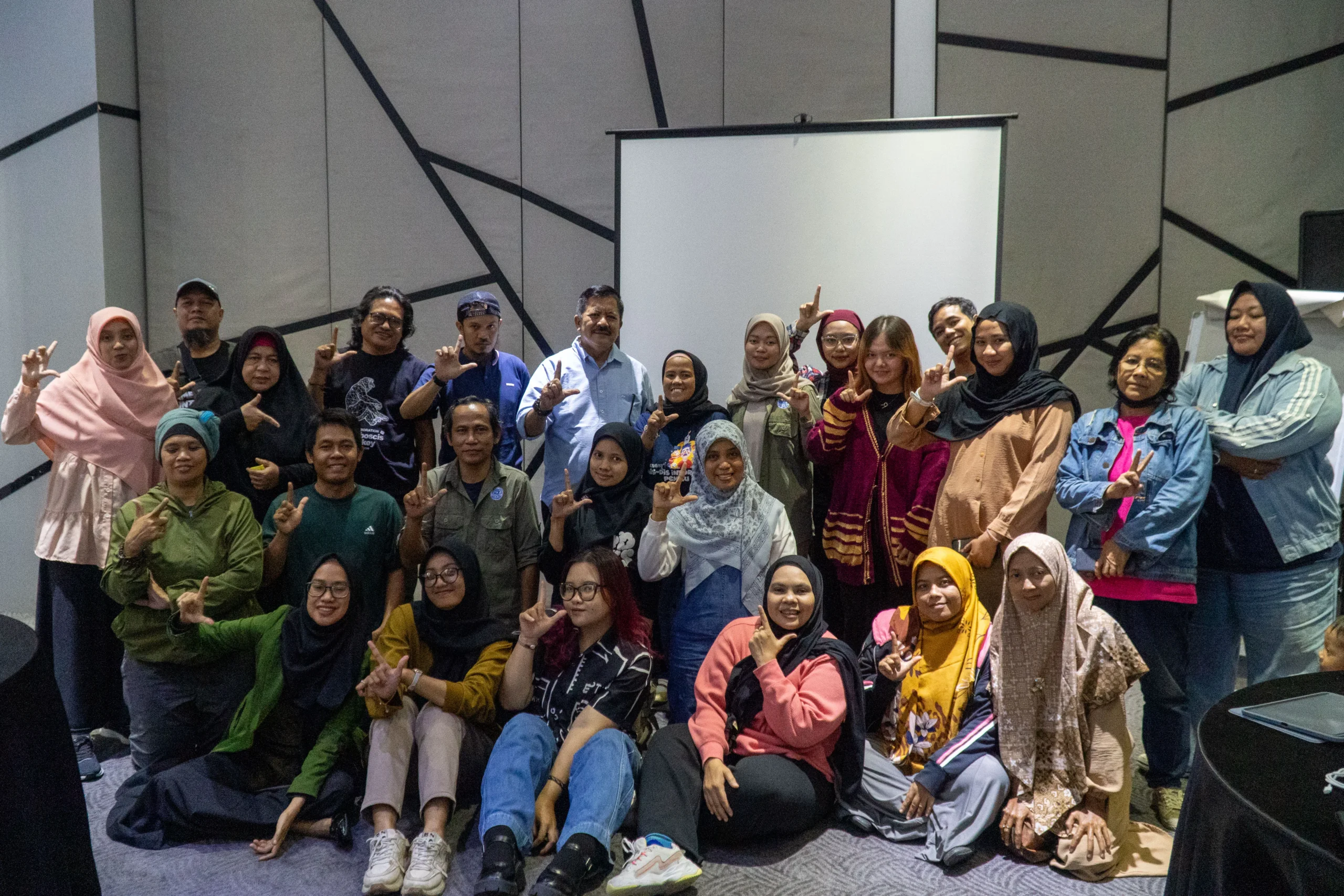
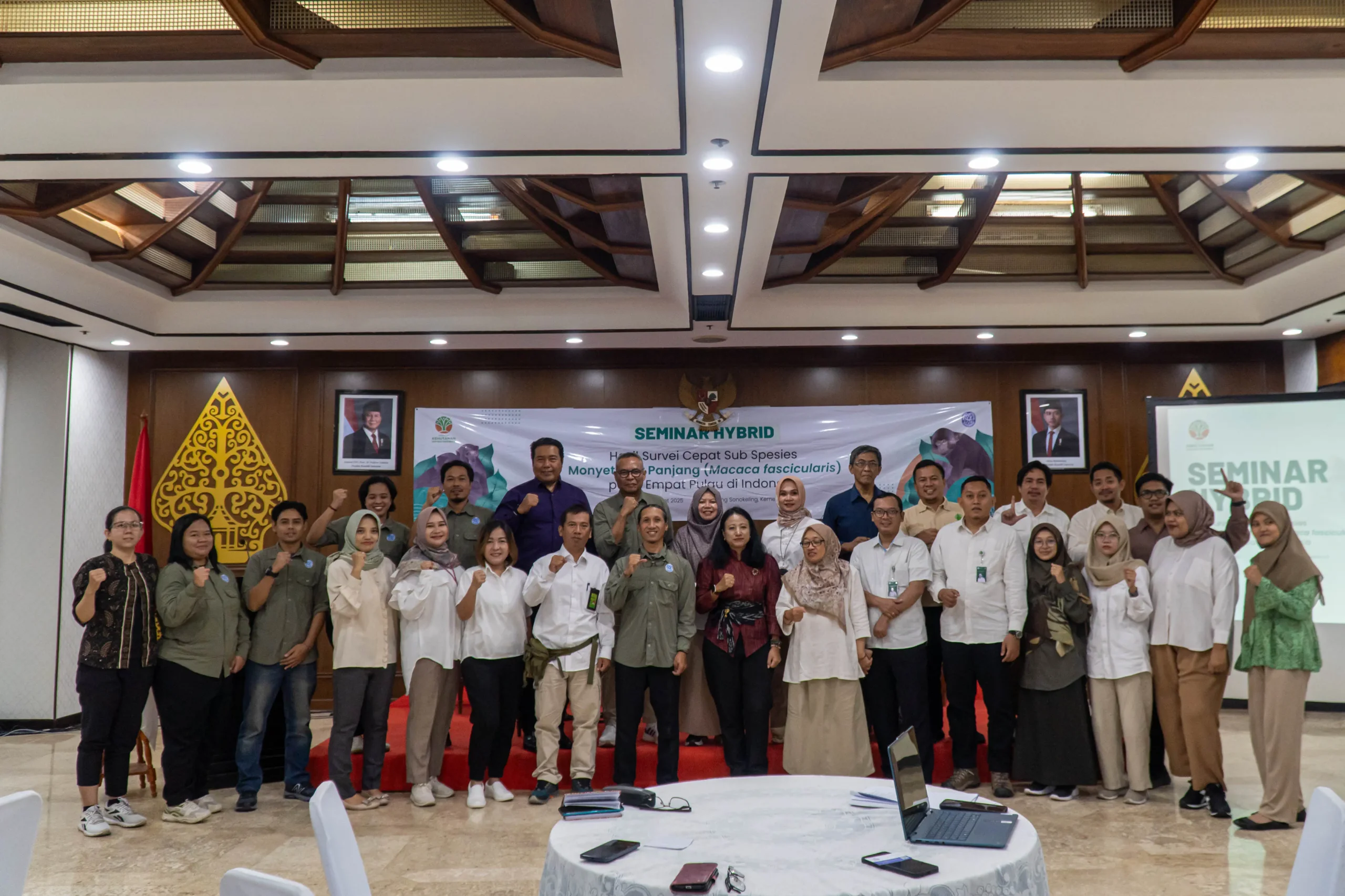
To reveal the latest condition of the species, the Directorate of Species Conservation and genetics of the Ministry of Forestry together with YIARI (Yayasan Initiasi Alam Rehabilitasi Indonesia) organized a Seminar on the results of a rapid survey of long-tailed monkeys on four islands in Indonesia on March 18, 2025.
What are the important results of this seminar related to the conservation of long-tailed monkeys? Here’s the summary.
Results and impact of the Seminar results of a rapid survey of long-tailed monkeys on 4 islands in Indonesia
Background and conduct of the survey
Located at the Manggala Wanabakti building, Jakarta, this hybrid seminar presented academics and conservation organizations to discuss the results of a rapid survey of long-tailed monkeys (MEP) conducted by YIARI with the Directorate General. KSDAE Ministry of Forestry, BKSDA Aceh, BKSDA East Kalimantan, and BTN Karimunjawa.
The survey was conducted from May to July 2023 in four locations, namely Simeulue Island, Lasia Island, Karimunjawa National Park, and Maratua Island. The four islands are known to be a habitat for subspecies of long-tailed monkeys that have distinctive morphological characteristics and a very limited geographical distribution.
The lack of scientific data on their population and distribution makes these areas a priority in primate conservation in Indonesia. In addition, the taxonomic status of the four subspecies has not been supported by sufficient molecular data. Therefore, this survey is an important step to support more targeted and scientifically evidence-based conservation efforts.
Survey findings and their impact on conservation strategies

The chairman of YIARI, Silverius Oscar Unggul, stressed that this survey provides a more comprehensive picture of the condition of long-tailed monkey populations in areas that have received less attention.
The resulting Data is an important reference for governments, academics, and conservation organizations in developing long-term preservation strategies.
Further research, especially in the field of genetic studies and Macaca conservation, is needed to deepen scientific understanding while perfecting the conservation approach applied.
One of the important components in maintaining the survival of long-tailed monkeys in the Wild is to provide education to the community in order to foster collective awareness.
This Seminar is expected to form a joint commitment in strengthening the protection of long-tailed monkeys in their natural habitat, as well as producing concrete recommendations to improve conservation effectiveness through synergy between the government, non-governmental organizations, and academics.
The results of this discussion are expected to be the foundation of a stronger conservation policy, based on scientific data, and able to encourage conservation efforts in the future.
However, the strategies developed will not be effective without a deep understanding of the real threats facing this species in the field.
Serious threat to long-tailed monkeys
On the same occasion, Silverius also highlighted the various serious threats facing long-tailed monkeys, especially due to illegal rearing practices and increasing conflicts with humans.
The demand for monkeys as exotic pets has been growing steadily in recent years. Capture from the wild not only endangers the individuals taken but also the mothers of the tragically killed long-tailed baby monkeys, but also damages the social structure of the group in the native habitat.
Torture of long-tailed monkeys is also common, making them live in conditions that are not in accordance with animal welfare standards. In fact, every animal is entitled to 5 Freedoms or five freedoms that must be met to ensure the quality of life of animals. Such freedom includes: freedom from hunger and thirst, discomfort, pain and injury, freedom to behave naturally, and freedom from stress and fear.
Without immediate and coordinated protection efforts, the population of long-tailed monkeys on small islands is threatened to continue to decline and faces the risk of extinction.
Recognizing the urgency of the threat, various parties are now pushing for strengthening conservation efforts that are more structured and data-based.
Data-driven conservation expectations and efforts

In this context, the Seminar on the results of a rapid survey of long-tailed monkeys on four islands in Indonesia became an important momentum in formulating more scientific and systematic conservation measures.
Director of species and genetic Conservation, Nunu Anugrah S.Hut., M.Sc., said that the priority of future species conservation activities will be focused on the IUCN Red List approach, an important instrument for monitoring changes in the conservation status of species over time.
This approach is considered crucial because it can help understand the dynamics of animal populations scientifically, and become the basis for designing conservation policies that are more targeted and science-based.

As part of strengthening national capacity, the Ministry of Forestry together with BRIN and ID SSG IUCN are formulating the establishment of a national institution or committee that will play a role in conducting an independent assessment of the status of Threatened Species in Indonesia.
The hope is that the results of the Seminar on the results of a rapid survey of long-tailed monkeys on 4 islands in Indonesia can be a strategic reference for more structured and systematic conservation investments, involving various stakeholders.
YIARI is also actively developing a long-tailed monkey conservation program, with special attention to zoonotic issues, animal welfare, and mitigation of conflicts between humans and animals.
Long-tailed monkey and ape population data collection in Sumatra, Java, and Kalimantan also continues to be carried out as a basis for strengthening protection strategies.
These measures are evidence that long-tailed monkey conservation requires cross-sector collaboration, is based on science, and is based on a long-term commitment.
Support Together The Survival Of Long-Tailed Monkeys

Seminar on the results of a rapid survey of long-tailed monkeys on 4 islands in Indonesia provides a deeper understanding of the challenges that threaten the survival of this species.
Their protection requires real support from various parties, ranging from governments, communities, to conservation organizations.
Here are some steps we can take together:
1. Avoid Keeping Wildlife
The long-tailed monkey is a wildlife that has an important role in maintaining the balance of the ecosystem. Keeping them as pets actually damages the social structure of their group and accelerates population decline in nature.
2. Raising Awareness About The Dangers Of Animal Exploitation
One of the major challenges in conservation is the lack of public understanding of the impacts of wildlife trade. Education about the importance of protecting animals can reduce the demand for long-tailed monkeys as pets.
3. Spreading Information About The Importance Of Conservation
The more people know the importance of protecting endangered species, the greater the impact. Dissemination of educational and accurate information can foster concern and community participation in conservation efforts.
YIARI continues to develop various long-tailed monkey conservation programs through research, education, and collaboration with various parties.
Support from all walks of life is essential to maintain the existence of this species in the wild.
Come on, take part in preservation efforts. Spread this information so that more people care and help keep long-tailed monkeys from exploitation and extinction.