Have you ever heard of Orchidaceae?
This term refers to the orchid family, one of the most diverse groups of flowering plants in the world. Its beauty has captivated many people, but did you know Indonesia is home to thousands of amazing orchid species?
As one of the countries with the highest biodiversity in the world, Indonesia has about 5,000 orchid species spread across various regions, ranging from Sulawesi, Kalimantan, Papua, to East Java. However, behind their beauty, many orchid species face serious threats due to deforestation, illegal trade and climate change.
Unfortunately, orchid conservation efforts in Indonesia are still relatively minimal. According to Tempo‘s 2024 report, many orchid species have not been evaluated for their conservation status, making them vulnerable to extinction. So how can we contribute to its preservation?
In this article, we will explore the variety of Indonesian orchid species, understand their ecological role, and highlight the various conservation efforts that need to be done to keep this natural heritage sustainable. Come on, check it out!
Species diversity of orchids and their distinctive features
Indonesia is a paradise for orchid species. With thousands of species spread from Sabang to Merauke, each orchid has its own uniqueness and characteristics. Let’s get acquainted with some of them:
1. Moon Orchid (Phalaenopsis amabilis)

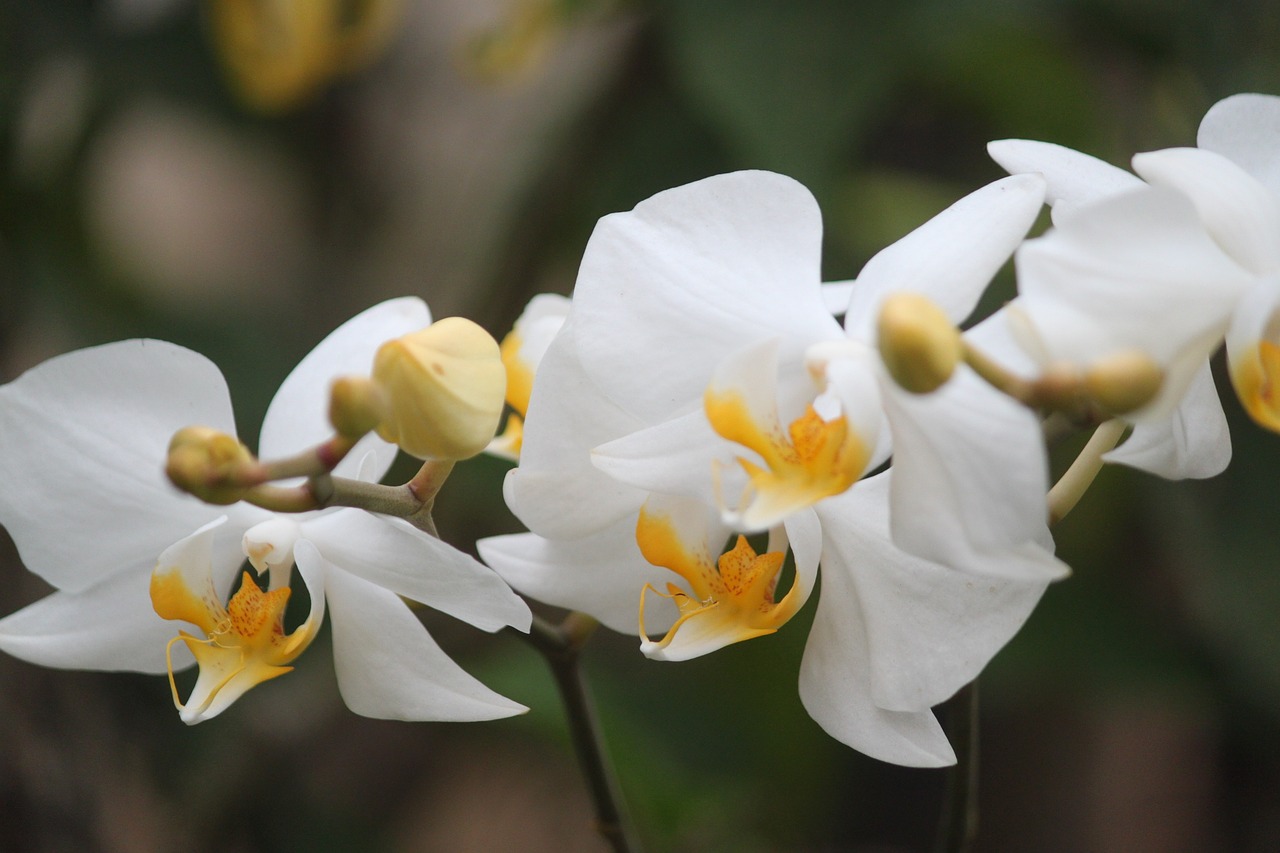
Anggrek Bulan is one of Indonesia’s pride flowers because it is crowned as puspa pesona, or the national flower. Its beauty emanates from its wide and elegant white petals, with a touch of yellow gradation in the center.
Known as Phalaenopsis amabilis, these orchids are often developed through tissue culture for conservation and trade purposes. The name ‘Moon Orchid’ itself is given because of its shape and appearance that resembles a full moon, presenting a graceful and charming impression.
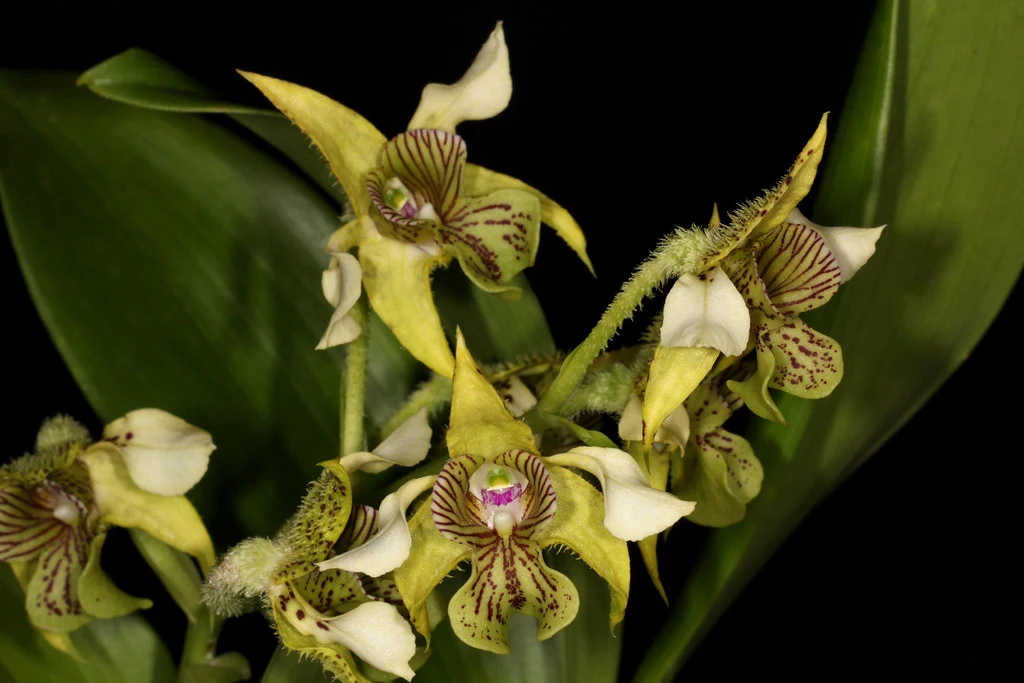
2. Black Orchid (Coelogyne pandurata)

Different from orchids in general, black orchids have a unique characteristic in the form of a flower tongue (labellum) solid black in contrast to the green petals. This uniqueness makes it one of the most exotic orchids in Indonesia.
This species of the genus Coelogyne is found only in Borneo and Sumatra, making it one of the rare endemic orchids. Unfortunately, the Black Orchid population continues to decline due to habitat destruction, so it is included in the list of protected plants.
3. Anggrek Hartinah (Cymbidium hartinahianum)

Found in North Sumatra, this orchid was named Anggrek Hartinah in honor of Raden Ayu Siti Hartinah, the wife of President Suharto. This flower has golden yellow petals with a red-brown motif that makes it look so elegant.
Unfortunately, this orchid is now threatened with extinction due to the destruction of its natural habitat. Without serious conservation efforts, the beauty of this orchid can disappear from nature.
4. Anggrek Tebu (Grammatophyllum speciosum)

This is the largest orchid in the world! Grammatophyllum speciosum, or better known as the sugar cane Orchid, earned the nickname ‘giant orchid’ because of its incredible size.
This plant can grow up to 3 meters with hundreds of flowers in a clump. The flowers are yellow with brown spots, resembling Tiger shades. Sugarcane orchids are widely found in the forests of Borneo, Sumatra, and Papua, making it one of the most impressive orchid species in Indonesia.
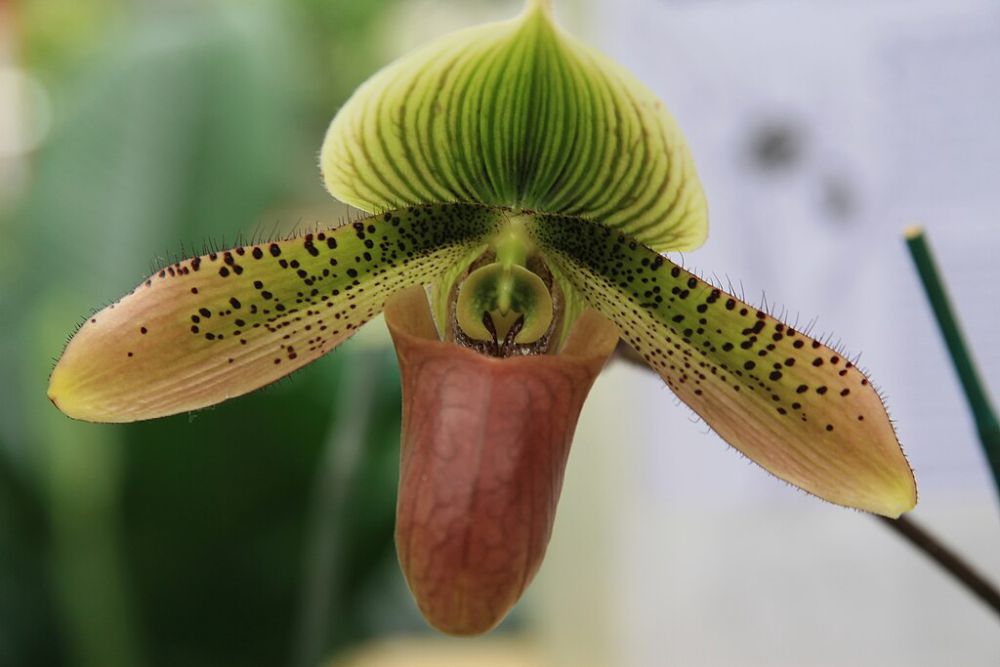
5. Colopaking sac Orchid (Paphiopedilum kolopakingii)

One of the unique orchid species from Borneo has a flower shape that resembles a pitcher plant, making it look so distinctive. The species is named after an Indonesian botanist who discovered it, as a tribute to his contribution to the world of flora.
Orchids of the genus Paphiopedilum not only have an exotic appearance, but also become one of the rare species that need to be preserved.
6. Anggrek Kasut Kumis (Paphiopedilum chamberlainianum)

This typical Sumatran orchid has a unique feature in the form of a long ‘mustache’ on the flower, giving the impression of exotic and elegant. Belonging to the genus Paphiopedilum, this orchid is one of the species with the most characteristic forms in the orchid world.
Its beauty and rarity make the kumis shoe Orchid much hunted by ornamental plant collectors, so it requires conservation efforts to remain sustainable.
7. Orchid Kebutan (Dendrobium spectabile)

From the genus Dendrobium, the kebutan orchid is known for The Shape of its petals, which are notched and resemble tangled hairs. Due to its unique and slightly ‘eccentric’ appearance, this flower is often nicknamed the ‘alien Orchid’.
The uniqueness of its shape makes the kebutan orchid a special attraction in the world of ornamental plants, although in its natural habitat it still faces various environmental threats.
8. Orchid Larat (Dendrobium phalaenopsis)

The Larat orchid is an endemic species of the Maluku Islands known for its striking and long-lasting bright purple flowers. Originating from the genus Dendrobium, this orchid is often cultivated for its beauty as well as its high durability.
Interestingly, the name of this species is often confused with Phalaenopsis because of the similar shape of the flowers. Not only beautiful, Larat orchids also have high economic value in the ornamental plant trade.
9. Anggrek Jamrud (Dendrobium macrophyllum)

Found in Java and Sulawesi, the Emerald orchid has yellowish-green flowers with reddish-brown spots. Its characteristic green color inspired its name, as it resembles a precious emerald stone.
Not only interesting in terms of aesthetics, this orchid also has cultural value, because it is often used in various traditional rituals in the area of origin.
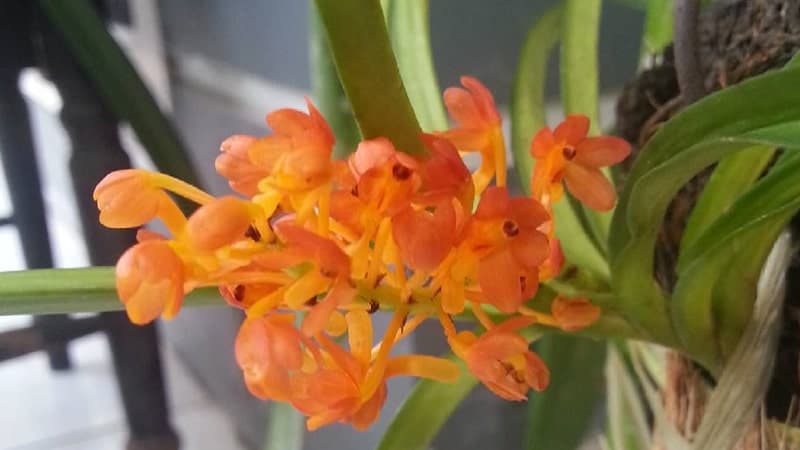
10. Dragon Scale Orchid (Renanthera matutina)

The dragon scale orchid has fiery red flowers with a speckled motif that resembles reptile scales, making it one of the most striking orchids in nature. This species of the genus Renanthera is found in the forests of Sumatra and Borneo.
Its beauty and uniqueness make this orchid even more popular among ornamental plant lovers, although its survival in nature is still noteworthy.
Ecological role of orchids;
Orchids are not just beautiful houseplants, SobatYiari! They play an important role in the ecosystem, especially in Indonesia’s tropical forests. Here are some of the ecological roles of orchids:
1. Supporting Biodiversity
Orchids become a home and food source for various types of insects, birds, and other small animals. Some orchid species even have a special relationship with certain insects in the pollination process.
2. Helps The Pollination Process
Many orchid species have unique pollination mechanisms. Some of them use clever tricks, such as resembling the shape and scent of female insects to attract males to help pollinate!
For example, Ophrys apifera , otherwise known as the ‘bee orchid,’ mimics the appearance of a female bee to attract a male bee, which unknowingly helps the pollination process.
3. Maintaining The Balance Of The Forest Ecosystem
As epiphytic plants (they grow attached to trees without harming their hosts), orchids contribute to maintaining the structure of the forest. The presence of orchids also indicates the health of the ecosystem, as they are very sensitive to environmental changes. In addition, orchids provide shelter for small insects and microorganisms.
4. A Bioindicator Of Environmental Health
Orchids are known as bioindicators because they are very sensitive to changes in temperature, humidity and air pollution.
Research published in the Journal Review of Education and teaching in 2023 said orchids can be used as an indicator of climate change. In fact, every 1°C rise in temperature in spring can accelerate the initiation of flowering by five to seven days.
The loss of orchid populations in an area can be a sign of environmental degradation, such as deforestation or air pollution.
5. Supporting food webs in nature
In addition to being a source of food for some animals, the roots and leaves are a place of life for microorganisms that play a role in the decomposition process and maintain soil fertility.
Orchid flowers, nectar and fruits are also a source of nutrients for various wildlife, such as birds, bats and insects. For example, Dendrobium nectar is often consumed by Honey-sucking birds, which also helps in the pollination process.
Threats to orchids in Indonesia
The beauty of orchids is not just a natural charm, but also part of the balance of the ecosystem. Unfortunately, this flower faces various serious threats that threaten its preservation in the wild.
Here are some of the main factors that cause Orchid populations in Indonesia are increasingly threatened:
1. Deforestation and Habitat loss
Forest loss due to illegal logging, land conversion into plantations, and infrastructure development are the biggest threats to Orchid survival.
According to Global Forest Watch, Indonesia lost about 10.1 million hectares of primary forest between 2002-2020. This loss has a direct impact on orchids that depend on trees as a place to grow (epiphytes) or live on the forest floor.
When their natural habitat disappears, orchids lose their place to thrive, making many species increasingly difficult to find in the wild.
2. Exploitation and illegal trade
Rare orchids are often the target of collectors and are sold at high prices on the black market. One example is the Borneo Black Orchid (Coelogyne pandurata), which can cost millions of rupiah.
Reporting from Mongabay in 2023, until now there are still many collectors from home and abroad who hunt orchids without considering the impact on natural populations. The massive removal of orchids from their natural habitat without conservation efforts can lead to the extinction of certain species in a short time.
3. Natural factors and Climate Change
Changes in temperature and rainfall patterns due to global warming disrupt the life cycle of orchids. Some species, such as Paphiopedilumjavanicum, which is an endemic Orchid of Java, are finding it increasingly difficult to survive as their habitat becomes unstable.
Volcanic activity is also a threat. For example, the eruption of Mount Merapi which can damage the habitat of orchids in the region. Volcanic ash and lava flows can destroy forest ecosystems that are home to many types of rare orchids.
4. Infectious diseases and viral attacks
Another threat that often goes unnoticed is infection with diseases in orchids.
A study from Gadjah Mada University in 2018 found that Phalaenopsis orchids in Indonesia are susceptible to various viruses, such as Ondotoglossum Ringspot Virus (orsv). This Virus can attack the leaves and flowers of orchids, causing stunted growth and even death of the plant.
The attacks of this disease are increasingly worrying, especially in habitats already disturbed by deforestation or drastic environmental changes.
Orchid conservation efforts in Indonesia
If you ask me, is the orchid flower protected in Indonesia? The answer is of course yes!
As one of the rare flowers and has a high ecological value, orchids receive legal protection in order to remain sustainable in nature.
How many species of orchids are there in Indonesia? According to the IUCN Red List, about 200 orchid species in Indonesia are in the Endangered category. This figure shows how important conservation efforts are to save our biodiversity.
Here are some concrete steps that have been and need to continue to be done to protect orchids in Indonesia:
1. Legal Protection
One of the main measures in orchid conservation is to ensure legal protection. The law was created so that humans could not carelessly exploit or trade rare orchids.
In Indonesia, the protection of rare orchids has been regulated in law No. 5 of 1990 on the Conservation of living Natural Resources and ecosystems.
In addition, some orchid species are also protected by CITES (Convention on International Trade in Endangered Species), which regulates international trade in flora and fauna so as not to lead to extinction.
2. Designation Of Conservation Areas
The Indonesian government has established various conservation areas to protect orchids and other biodiversity. Some of the areas that are habitat for rare orchids include:
- Lorentz National Park, Papua -home to a variety of exotic orchid species found only in tropical mountainous areas.
- Gunung Leuser National Park, Sumatra -one of the largest tropical rainforests where various types of rare orchids grow.
3. In Situ and Ex Situ conservation
Orchid conservation is carried out through two main approaches, namely in situ conservation and ex situconservation. Both of these methods have an important role in keeping Orchid populations sustainable in nature.
- In Situ conservation (in their natural habitat)
In situ conservation is an effort to protect orchids directly in their natural habitat by maintaining the ecosystem and environment in which they grow. This approach ensures that orchids continue to develop naturally without needing to be removed from their original ecosystem.
One vivid example of in situ conservation is the Orchid Adoption Program at Mount Merapi, which involves local communities in replanting and rearing endangered orchids. This Program helps restore Orchid populations affected by the eruption of Mount Merapi, as well as providing education to the public about the importance of preserving endemic flora.
- Ex Situ conservation (outside their natural habitat)
Ex situ conservation is done by growing and propagating orchids outside their natural habitat. This method is often used for species that are already rare or endangered in order to remain able to thrive without facing threats from the wild.
One of the frequently used techniques is tissue culture, which allows the propagation of orchids on a large scale while maintaining their genetic purity. For example, in vitro propagation of Dendrobium lineale Blue has been carried out to ensure the survival of this species, especially since its natural habitat is being reduced due to deforestation.
4. Research, breeding, and Genetic Engineering
Research and breeding are important steps in orchid conservation efforts, especially for endangered species. Institutions such as the Bogor Botanical Garden and LIPI (Indonesian Institute of Sciences) have been active in developing methods of orchid propagation through modern technology.
One of the successful conservation programs is the propagation of Phalaenopsis amabilis (Moon orchid) through tissue culture techniques, which allows orchids to thrive in large numbers without having to take them directly from nature.
In addition, research continues to be conducted to understand the specific needs of orchids, from habitat, growth patterns, to responses to environmental changes. Genetic engineering is also being developed to create orchid species that are more resistant to disease and climate change.
5. Education and socialization
Orchid conservation is not only the responsibility of scientists or governments, but also the wider community. Therefore, various environmental organizations, such as the Indonesian Orchid Association (PAI), are actively educating the public about the importance of preserving orchids and the dangers of illegal trade. This Campaign aims to raise public awareness that orchids are not only ornamental plants, but also part of the ecosystem balance.
In addition, orchid cultivation training programs for local communities around their habitats are an important strategy to reduce wild capture from nature. By providing the correct cultivation skills, people can benefit economically from orchids without harming their ecosystem.
It’s time to preserve Indonesian orchids together!
How, Buddy # KonservasYIARI, already know more types of Indonesian orchids, right?
In addition to being a beautiful flower, orchids also play an important role in the ecosystem. However, with various threats that continue to increase, conservation is the main key in maintaining its sustainability.
Through a combination of legal protection, conservation in nature and outside the habitat, research, and community education, we can ensure Indonesian orchids remain sustainable. That way, future generations can still enjoy the beauty and biological wealth of this country.
Come on, contribute to the preservation of orchids!
References:
https://www.flokq.com/blog/en/orchids-indonesia
https://journal.slemankab.go.id/index.php/jps/article/view/11
https://digilib.unila.ac.id/64739/2/TESIS%20TANPA%20PEMBAHASAN.pdf
https://ugm.ac.id/id/berita/17230-selamatkan-anggrek-dari-kepunahan-dengan-rekayasa-genetika
https://indonesia.go.id/kategori/keanekaragaman-hayati/4147/melestarikan-spesies-anggrek-kantung




:strip_icc():format(webp)/kly-media-production/medias/3155800/original/070769500_1592454061-flower-1589157_1920.jpg)