Silakan atur halaman utama di Settings → Reading → Your homepage displays
dan pilih A static page, lalu pilih halaman dengan template Home.
Is Air Pollution Getting Worse? Here Are the Causes and 11 Ways to Overcome It
Have you ever felt chest tightness, stinging eyes, or dizziness when breathing the air around us? This condition often occurs when air quality is poor.
Unfortunately, much of the air pollution stems from daily activities that are difficult to avoid, such as traffic congestion, industrial emissions, and household waste burning.
This issue is not just about our discomfort. According to the IQAir World Air Quality Report 2023, Indonesia remains one of the countries with high levels of air pollution globally.
So, what can we do to reduce air pollution? Let’s explore the various causes and concrete steps we can take together to keep the air quality healthy.
Causes of Air Pollution
To address air pollution effectively, we first need to understand what causes it. Pollution does not just appear out of nowhere; there are various sources that contribute to it, ranging from daily human activities to natural factors.
Here are some of the most common causes of air pollution:
1. Motor Vehicle Emissions
In large cities, motor vehicles are one of the primary contributors to air pollution. Cars, motorcycles, buses, and trucks that use fossil fuels produce exhaust gases that can degrade air quality.
According to data from the Ministry of Environment and Forestry (KLHK) in 2024, the transportation sector contributes approximately 70% of total greenhouse gas emissions in urban areas. The denser the traffic, the higher the level of pollution.
2. Industry and Factories
Production processes in industrial areas can also release various pollutants into the air. Some of these include sulfur dioxide (SO₂), nitrogen oxides (NOx), and fine particles such as PM2.5 and PM10.
If these emissions are not managed properly, these pollutants can affect the air quality in the surrounding areas.
3. Open Waste Burning
An example of air pollution that often occurs around us is the habit of burning trash. Although it may seem simple, this activity can release various hazardous compounds into the air and impact our health.
Unfortunately, the practice of burning waste is still quite common in various regions.
4. Mining and Construction Activities
Activities such as soil excavation, drilling, and material transport can generate large amounts of dust and fine particles. If not properly controlled, this dust can spread to the surrounding environment and degrade air quality.
5. Forest and Land Fires (Karhutla)
Forest and land fires are also a major cause of air pollution in Indonesia, particularly on the islands of Sumatra and Kalimantan.
According to data from Global Forest Watch, in 2023, Indonesia lost more than 292,000 hectares of forest due to fires, which directly impacted regional air quality.
When forest and land fires occur, the resulting smoke can spread widely and degrade air quality in other regions. This is what often leads to the emergence of haze in several areas.
6. Natural Sources
In addition to human activities, natural factors can also affect air quality, such as volcanic eruptions or dust storms. However, their impact is usually temporary and limited to specific areas.
A drone shot of air pollution in an urban area/Source: Pexels
When the air we breathe every day is polluted, the impact is not only felt in terms of health. Air pollution can also affect the environment, the climate, and even economic conditions. Here are some of the main impacts we need to be aware of:
1. Serious health problems
Short-term exposure to air pollution can cause irritation to the eyes, nose, and throat. However, if it occurs continuously, the impact can be much more serious. Air pollution is known to be linked to various diseases such as asthma, chronic bronchitis, heart disease, and stroke.
The World Health Organization (WHO) even estimates that approximately 7 millionpeople die each year due to exposure to air pollution, both from outdoor and indoor air.
2. Environmental and ecosystem damage
Pollutants such as nitrogen oxides (NOx) and sulfur dioxide (SO₂) can trigger acid rain. This phenomenon can damage plants, degrade soil quality, and contaminate rivers and lakes.
In addition, pollutants such as ground-level ozone (O₃) can also attach to plant leaves and disrupt the photosynthesis process. If this occurs continuously, it can inhibit the growth of food crops and potentially reduce agricultural yields.
3. Exacerbating climate change
Some types of air pollutants also act as greenhouse gases, such as carbon dioxide (CO₂) and methane (CH₄). When these gases accumulate in the atmosphere, solar heat becomes trapped and triggers global warming.
As a result, the climate crisis worsens and triggers various extreme weather phenomena such as floods, droughts, and increasingly unpredictable storms.
4. Economic losses
The impact of air pollution is also felt in the economic sector. Bappenas once estimated that the economic losses due to air pollution in Jakarta reached approximately IDR 51.2 trillion per year.
Globally, the World Bank also estimates that economic losses due to air pollution reach more than USD 5 trillion annually, primarily due to rising healthcare costs and declining work productivity.
Polluted air can make people more susceptible to illness, reduce concentration, and increase absenteeism in the workplace.
11 Ways to Overcome Air Pollution
Image of air polluted by various factory smoke/Source: Pexels
Tackling air pollution cannot rely on just one party. It requires cooperation between individuals, communities, industries, and the government. Here are some effective steps we can take together to address air pollution:
1. Reducing the use of private vehicles
One of the most effective steps is to reduce the use of private vehicles. We can start by choosing more environmentally friendly modes of transportation, such as:
using public transportation
cycling for short distances
walking whenever possible
In addition to helping curb vehicle emissions, this method can also reduce traffic congestion in urban areas.
The Greater Jakarta Transport Authority (BPTJ) estimates that if about 10% of private vehicle users in Jakarta switch to public transportation, carbon dioxide (CO₂) emissions could be reduced by up to approximately 30,000 tons per year.
2. Using renewable energy at home
Using cleaner energy can also help suppress air pollution. Some steps that can be taken at home include:
installing solar panels
using energy-efficient electrical appliances
reducing unnecessary electricity consumption
These efforts can lower dependence on fossil-fuel-powered plants, especially coal-based power plants (PLTU), which remain one of the sources of emissions in Indonesia.
3. Planting trees and increasing green open spaces
Trees play a crucial role in maintaining air quality because they are able to absorb carbon dioxide and produce oxygen. Furthermore, green open spaces also help lower temperatures in urban areas and improve environmental quality.
According to the Arbor Day Foundation, one mature tree can absorb about 48 pounds of CO₂ each year. A well-known example is the City of Surabaya, which is actively developing city parks, urban farming, and vertical gardens to help improve the quality of the urban environment.
4. Avoiding open waste burning
Burning trash may seem like a quick way to reduce piles of waste. However, this practice actually releases various harmful substances into the air, including dioxins, which are dangerous to health.
By reducing the amount of waste burned, the air quality in the surrounding environment can also be maintained.
As an alternative, we can start applying the 3R principle, which is:
Reduce: reducing the use of single-use items
Reuse: reusing items that are still in good condition
Recycle: recycling waste so it can be utilized again
5. Supporting more environmentally friendly industries
The role of industry is also very important in efforts to reduce air pollution.
In Indonesia, several industrial sectors have begun to adopt more environmentally friendly technologies, including production processes designed to reduce emissions and waste.
Companies can suppress emissions by implementing various measures, for example:
The DKI Jakarta Provincial Government has started implementing a motor vehicle emission test policy. Vehicles that do not pass the test may be subject to disincentives, such as higher parking fees.
This policy aims to encourage vehicle owners to be more responsible for the emissions produced. By routinely performing emission tests, we can also ensure that vehicles remain in good condition and do not produce excessive pollution.
7. Use more environmentally friendly household appliances
In some areas, wood or charcoal-fueled stoves are still used for cooking. In fact, smoke from such combustion can lower indoor air quality and increase the risk of respiratory problems.
Some simple steps that can be taken include:
switching to LPG stoves or electric stoves
reducing the use of aerosol products
avoiding VOC-based paints or cleaning agents
As an alternative, we can also use natural cleaning ingredients such as vinegar, lemon, and baking soda. These small steps can help reduce indoor air pollution.
8. Participate in environmental campaigns or actions
Public awareness is a key factor in overcoming air pollution. As more people care and get involved, the pressure to improve environmental policies will also become stronger.
Several communities and organizations in Indonesia are actively educating the public about air quality, such as Nafas Indonesia and Earth Hour Indonesia.
Joining campaign activities, public discussions, or environmental actions can help broaden the impact of change.
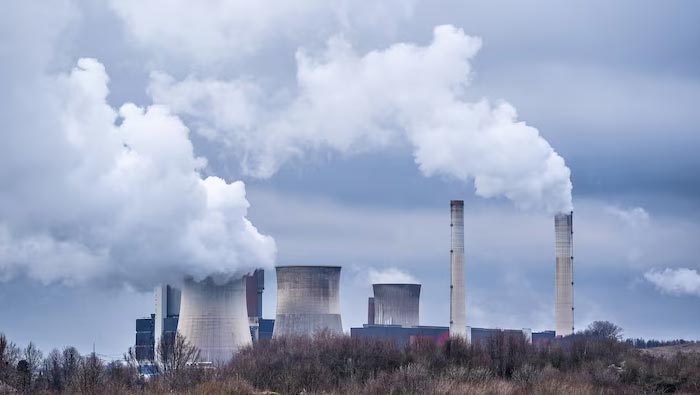
Smokestacks from various factories are one source of air pollution/Source: Pexels
Nowadays, more and more people are using personal air quality sensors to monitor environmental conditions around them. This data can help increase awareness while encouraging transparency in air quality information.
Some devices are even capable of displaying data in real-time, such as air quality monitoring tools from AirVisual. With more open data, the public can also be more active in pushing for policies that favor the environment.
10. Increasing public awareness
Efforts to overcome air pollution also need to be supported by continuous education. Information about the dangers of air pollution can be disseminated through:
social media
community activities
school or campus environments
In addition, simple steps such as reducing the use of single-use items can also help curb pollution if done collectively.
11. Supporting and overseeing government policies
Beyond changes at the individual level, public policy also plays an important role in controlling air pollution.
One regulation that governs this is the Regulation of the Minister of Environment and Forestry Number P.14/MENLHK/SETJEN/KUM.1/7/2020 concerning Air Pollution Control.
With strong public participation, environmental policies do not just stop as rules on paper. The public has an important role to:
know the applicable policies
participate in overseeing their implementation
encourage the government to ensure these policies are truly implemented in the field
Clean Air is Our Right
Air pollution is indeed a complex problem, but that does not mean there is no solution. Every small step we take can have a significant impact. Starting from choosing more environmentally friendly transportation, reducing waste burning, to helping advocate for policies that favor the environment.
Because in the end, clean air is not just a necessity, but also a right for all living beings. So, let’s start with ourselves and encourage those around us to help maintain air quality.
The blue sky we enjoy today can be a valuable legacy for generations to come!
Air Pollution – World Health Organization (WHO). [Open]
Air Pollution: Everything You Need to Know – Natural Resources Defense Council (NRDC). [Open]
Featured image: Smoke in the air from factory chimneys causing air pollution/Source: Pexels
Indonesian Orchidaceae: species diversity, roles, and conservation efforts
Have you ever heard of Orchidaceae?
This term refers to the orchid family, one of the most diverse groups of flowering plants in the world. Its beauty has captivated many people, but did you know Indonesia is home to thousands of amazing orchid species?
As one of the countries with the highest biodiversity in the world, Indonesia has about 5,000 orchid species spread across various regions, ranging from Sulawesi, Kalimantan, Papua, to East Java. However, behind their beauty, many orchid species face serious threats due to deforestation, illegal trade and climate change.
Unfortunately, orchid conservation efforts in Indonesia are still relatively minimal. According to Tempo‘s 2024 report, many orchid species have not been evaluated for their conservation status, making them vulnerable to extinction. So how can we contribute to its preservation?
In this article, we will explore the variety of Indonesian orchid species, understand their ecological role, and highlight the various conservation efforts that need to be done to keep this natural heritage sustainable. Come on, check it out!
Species diversity of orchids and their distinctive features
Indonesia is a paradise for orchid species. With thousands of species spread from Sabang to Merauke, each orchid has its own uniqueness and characteristics. Let’s get acquainted with some of them:
Anggrek Bulan is one of Indonesia’s pride flowers because it is crowned as puspa pesona, or the national flower. Its beauty emanates from its wide and elegant white petals, with a touch of yellow gradation in the center.
Known as Phalaenopsis amabilis, these orchids are often developed through tissue culture for conservation and trade purposes. The name ‘Moon Orchid’ itself is given because of its shape and appearance that resembles a full moon, presenting a graceful and charming impression.
Different from orchids in general, black orchids have a unique characteristic in the form of a flower tongue (labellum) solid black in contrast to the green petals. This uniqueness makes it one of the most exotic orchids in Indonesia.
This species of the genus Coelogyne is found only in Borneo and Sumatra, making it one of the rare endemic orchids. Unfortunately, the Black Orchid population continues to decline due to habitat destruction, so it is included in the list of protected plants.
Found in North Sumatra, this orchid was named Anggrek Hartinah in honor of Raden Ayu Siti Hartinah, the wife of President Suharto. This flower has golden yellow petals with a red-brown motif that makes it look so elegant.
Unfortunately, this orchid is now threatened with extinction due to the destruction of its natural habitat. Without serious conservation efforts, the beauty of this orchid can disappear from nature.
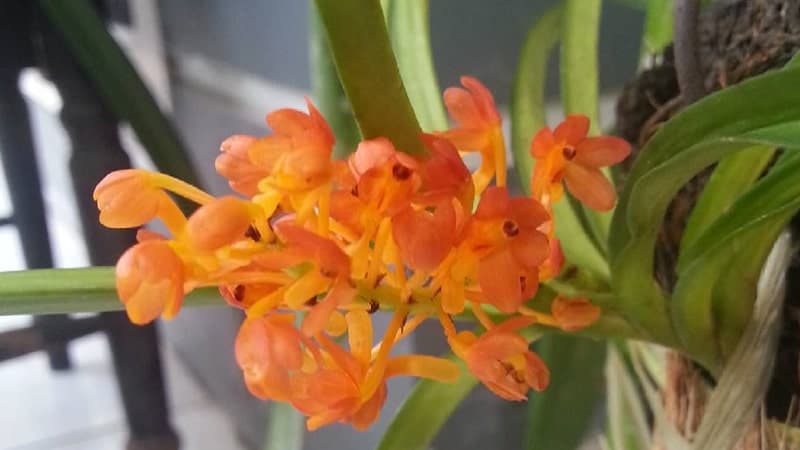
This is the largest orchid in the world! Grammatophyllum speciosum, or better known as the sugar cane Orchid, earned the nickname ‘giant orchid’ because of its incredible size.
This plant can grow up to 3 meters with hundreds of flowers in a clump. The flowers are yellow with brown spots, resembling Tiger shades. Sugarcane orchids are widely found in the forests of Borneo, Sumatra, and Papua, making it one of the most impressive orchid species in Indonesia.
One of the unique orchid species from Borneo has a flower shape that resembles a pitcher plant, making it look so distinctive. The species is named after an Indonesian botanist who discovered it, as a tribute to his contribution to the world of flora.
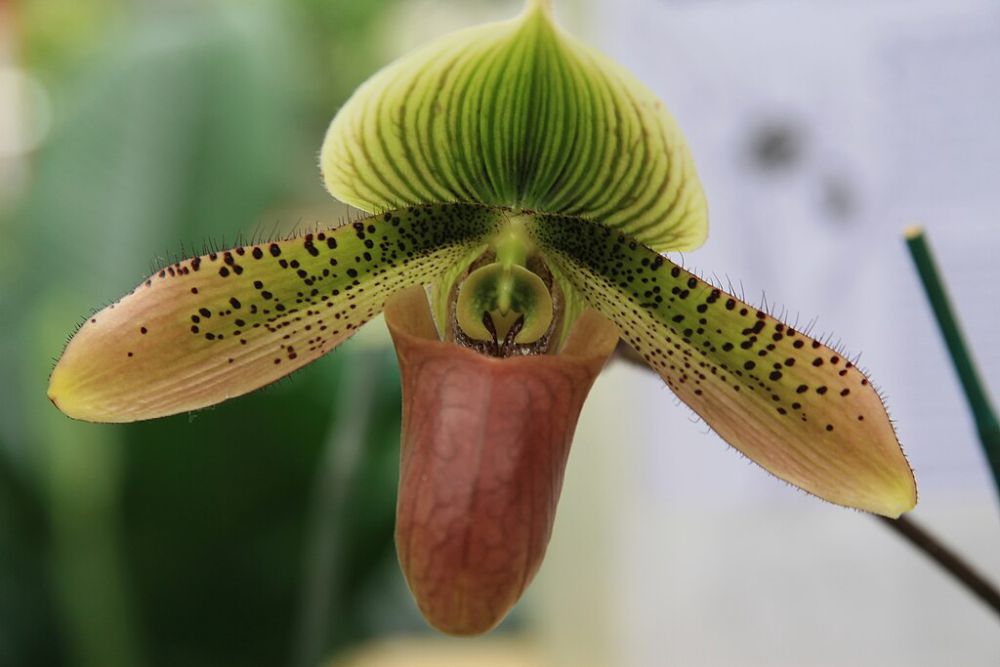
Orchids of the genus Paphiopedilum not only have an exotic appearance, but also become one of the rare species that need to be preserved.
This typical Sumatran orchid has a unique feature in the form of a long ‘mustache’ on the flower, giving the impression of exotic and elegant. Belonging to the genus Paphiopedilum, this orchid is one of the species with the most characteristic forms in the orchid world.
Its beauty and rarity make the kumis shoe Orchid much hunted by ornamental plant collectors, so it requires conservation efforts to remain sustainable.
From the genus Dendrobium, the kebutan orchid is known for The Shape of its petals, which are notched and resemble tangled hairs. Due to its unique and slightly ‘eccentric’ appearance, this flower is often nicknamed the ‘alien Orchid’.
The uniqueness of its shape makes the kebutan orchid a special attraction in the world of ornamental plants, although in its natural habitat it still faces various environmental threats.
The Larat orchid is an endemic species of the Maluku Islands known for its striking and long-lasting bright purple flowers. Originating from the genus Dendrobium, this orchid is often cultivated for its beauty as well as its high durability.
Interestingly, the name of this species is often confused with Phalaenopsis because of the similar shape of the flowers. Not only beautiful, Larat orchids also have high economic value in the ornamental plant trade.
Found in Java and Sulawesi, the Emerald orchid has yellowish-green flowers with reddish-brown spots. Its characteristic green color inspired its name, as it resembles a precious emerald stone.
Not only interesting in terms of aesthetics, this orchid also has cultural value, because it is often used in various traditional rituals in the area of origin.
The dragon scale orchid has fiery red flowers with a speckled motif that resembles reptile scales, making it one of the most striking orchids in nature. This species of the genus Renanthera is found in the forests of Sumatra and Borneo.
Its beauty and uniqueness make this orchid even more popular among ornamental plant lovers, although its survival in nature is still noteworthy.
Ecological role of orchids;
Orchids are not just beautiful houseplants, SobatYiari! They play an important role in the ecosystem, especially in Indonesia’s tropical forests. Here are some of the ecological roles of orchids:
1. Supporting Biodiversity
Orchids become a home and food source for various types of insects, birds, and other small animals. Some orchid species even have a special relationship with certain insects in the pollination process.
2. Helps The Pollination Process
Many orchid species have unique pollination mechanisms. Some of them use clever tricks, such as resembling the shape and scent of female insects to attract males to help pollinate!
For example, Ophrys apifera , otherwise known as the ‘bee orchid,’ mimics the appearance of a female bee to attract a male bee, which unknowingly helps the pollination process.
3. Maintaining The Balance Of The Forest Ecosystem
As epiphytic plants (they grow attached to trees without harming their hosts), orchids contribute to maintaining the structure of the forest. The presence of orchids also indicates the health of the ecosystem, as they are very sensitive to environmental changes. In addition, orchids provide shelter for small insects and microorganisms.
4. A Bioindicator Of Environmental Health
Orchids are known as bioindicators because they are very sensitive to changes in temperature, humidity and air pollution.
Research published in the Journal Review of Education and teaching in 2023 said orchids can be used as an indicator of climate change. In fact, every 1°C rise in temperature in spring can accelerate the initiation of flowering by five to seven days.
The loss of orchid populations in an area can be a sign of environmental degradation, such as deforestation or air pollution.
5. Supporting food webs in nature
In addition to being a source of food for some animals, the roots and leaves are a place of life for microorganisms that play a role in the decomposition process and maintain soil fertility.
Orchid flowers, nectar and fruits are also a source of nutrients for various wildlife, such as birds, bats and insects. For example, Dendrobium nectar is often consumed by Honey-sucking birds, which also helps in the pollination process.
Threats to orchids in Indonesia
The beauty of orchids is not just a natural charm, but also part of the balance of the ecosystem. Unfortunately, this flower faces various serious threats that threaten its preservation in the wild.
Here are some of the main factors that cause Orchid populations in Indonesia are increasingly threatened:
1. Deforestation and Habitat loss
Forest loss due to illegal logging, land conversion into plantations, and infrastructure development are the biggest threats to Orchid survival.
According to Global Forest Watch, Indonesia lost about 10.1 million hectares of primary forest between 2002-2020. This loss has a direct impact on orchids that depend on trees as a place to grow (epiphytes) or live on the forest floor.
When their natural habitat disappears, orchids lose their place to thrive, making many species increasingly difficult to find in the wild.
2. Exploitation and illegal trade
Rare orchids are often the target of collectors and are sold at high prices on the black market. One example is the Borneo Black Orchid (Coelogyne pandurata), which can cost millions of rupiah.
Reporting from Mongabay in 2023, until now there are still many collectors from home and abroad who hunt orchids without considering the impact on natural populations. The massive removal of orchids from their natural habitat without conservation efforts can lead to the extinction of certain species in a short time.
3. Natural factors and Climate Change
Changes in temperature and rainfall patterns due to global warming disrupt the life cycle of orchids. Some species, such as Paphiopedilumjavanicum, which is an endemic Orchid of Java, are finding it increasingly difficult to survive as their habitat becomes unstable.
Volcanic activity is also a threat. For example, the eruption of Mount Merapi which can damage the habitat of orchids in the region. Volcanic ash and lava flows can destroy forest ecosystems that are home to many types of rare orchids.
4. Infectious diseases and viral attacks
Another threat that often goes unnoticed is infection with diseases in orchids.
A study from Gadjah Mada University in 2018 found that Phalaenopsis orchids in Indonesia are susceptible to various viruses, such as Ondotoglossum Ringspot Virus (orsv). This Virus can attack the leaves and flowers of orchids, causing stunted growth and even death of the plant.
The attacks of this disease are increasingly worrying, especially in habitats already disturbed by deforestation or drastic environmental changes.
Orchid conservation efforts in Indonesia
If you ask me, is the orchid flower protected in Indonesia? The answer is of course yes!
As one of the rare flowers and has a high ecological value, orchids receive legal protection in order to remain sustainable in nature.
How many species of orchids are there in Indonesia? According to the IUCN Red List, about 200 orchid species in Indonesia are in the Endangered category. This figure shows how important conservation efforts are to save our biodiversity.
Here are some concrete steps that have been and need to continue to be done to protect orchids in Indonesia:
1. Legal Protection
One of the main measures in orchid conservation is to ensure legal protection. The law was created so that humans could not carelessly exploit or trade rare orchids.
In Indonesia, the protection of rare orchids has been regulated in law No. 5 of 1990 on the Conservation of living Natural Resources and ecosystems.
In addition, some orchid species are also protected by CITES (Convention on International Trade in Endangered Species), which regulates international trade in flora and fauna so as not to lead to extinction.
2. Designation Of Conservation Areas
The Indonesian government has established various conservation areas to protect orchids and other biodiversity. Some of the areas that are habitat for rare orchids include:
Lorentz National Park, Papua -home to a variety of exotic orchid species found only in tropical mountainous areas.
Gunung Leuser National Park, Sumatra -one of the largest tropical rainforests where various types of rare orchids grow.
3. In Situ and Ex Situ conservation
Orchid conservation is carried out through two main approaches, namely in situ conservation and ex situconservation. Both of these methods have an important role in keeping Orchid populations sustainable in nature.
In Situ conservation (in their natural habitat)
In situ conservation is an effort to protect orchids directly in their natural habitat by maintaining the ecosystem and environment in which they grow. This approach ensures that orchids continue to develop naturally without needing to be removed from their original ecosystem.
One vivid example of in situ conservation is the Orchid Adoption Program at Mount Merapi, which involves local communities in replanting and rearing endangered orchids. This Program helps restore Orchid populations affected by the eruption of Mount Merapi, as well as providing education to the public about the importance of preserving endemic flora.
Ex Situ conservation (outside their natural habitat)
Ex situ conservation is done by growing and propagating orchids outside their natural habitat. This method is often used for species that are already rare or endangered in order to remain able to thrive without facing threats from the wild.
One of the frequently used techniques is tissue culture, which allows the propagation of orchids on a large scale while maintaining their genetic purity. For example, in vitro propagation of Dendrobium lineale Blue has been carried out to ensure the survival of this species, especially since its natural habitat is being reduced due to deforestation.
4. Research, breeding, and Genetic Engineering
Research and breeding are important steps in orchid conservation efforts, especially for endangered species. Institutions such as the Bogor Botanical Garden and LIPI (Indonesian Institute of Sciences) have been active in developing methods of orchid propagation through modern technology.
One of the successful conservation programs is the propagation of Phalaenopsis amabilis (Moon orchid) through tissue culture techniques, which allows orchids to thrive in large numbers without having to take them directly from nature.
In addition, research continues to be conducted to understand the specific needs of orchids, from habitat, growth patterns, to responses to environmental changes. Genetic engineering is also being developed to create orchid species that are more resistant to disease and climate change.
5. Education and socialization
Orchid conservation is not only the responsibility of scientists or governments, but also the wider community. Therefore, various environmental organizations, such as the Indonesian Orchid Association (PAI), are actively educating the public about the importance of preserving orchids and the dangers of illegal trade. This Campaign aims to raise public awareness that orchids are not only ornamental plants, but also part of the ecosystem balance.
In addition, orchid cultivation training programs for local communities around their habitats are an important strategy to reduce wild capture from nature. By providing the correct cultivation skills, people can benefit economically from orchids without harming their ecosystem.
It’s time to preserve Indonesian orchids together!
How, Buddy # KonservasYIARI, already know more types of Indonesian orchids, right?
In addition to being a beautiful flower, orchids also play an important role in the ecosystem. However, with various threats that continue to increase, conservation is the main key in maintaining its sustainability.
Through a combination of legal protection, conservation in nature and outside the habitat, research, and community education, we can ensure Indonesian orchids remain sustainable. That way, future generations can still enjoy the beauty and biological wealth of this country.
Come on, contribute to the preservation of orchids!
8 examples of ecotourism in Indonesia: enjoying nature while preserving it
# KonservasYIARI,
Have you ever thought that vacation can be a fun way to participate in preserving nature? This is the concept of ecotourism—take a walk while contributing to the environment!
Indonesia, with its incredible natural wealth, is included in the top 10 countries with the best ecotourism index in the world. Not only that, our country also has 209 species of protected animals—the most in the world! Proud, right?
From the tropical rainforests of Borneo, the underwater charms of Raja Ampat, to the vast savannahs of Baluran National Park, Indonesia offers a beautiful and meaningful adventure. It’s no wonder that the trend of ecotourism continues to increase, with millions of tourists choosing eco-friendly destinations every year.
Let’s find out how holidays can be more than just fun, but also have a positive impact on nature!
What Is Ecotourism?
Ecotourism is a form of travel that focuses on Nature Conservation, local community empowerment, and education for tourists. This concept is not only about enjoying the beauty of nature, but also prioritizes responsibility in maintaining the balance of the local ecosystem and culture.
According to Honey (2008) in his book Ecotourism and Sustainable Development, ecotourism carries the principle of responsible tourism with the aim of protecting biodiversity and respecting local customs and culture.
More broadly, ecotourism is part of the concept of sustainable tourism, which is a tourism approach that considers long-term environmental, social, cultural, and economic impacts. This concept is based on four main pillars, namely:
Environmental sustainability: ensuring tourist activities do not damage natural ecosystems.
Socio-cultural sustainability: respect and preserve the Customs and culture of local communities.
Economic sustainability: providing equitable financial benefits to local communities.
Sustainability management: ensuring all aspects of tourism are managed with the principles of responsibility and sustainability.
Why Is Ecotourism Important?
Ecotourism is not just a trend in the tourism industry, but an approach that has a real impact on the environment, communities and local economies. Here are some reasons why ecotourism is so important:
1. Preserving Nature
Ecotourism helps protect ecosystems by reducing the negative impacts of conventional tourism, such as pollution, habitat destruction, and exploitation of Natural Resources. With the principle of sustainability, ecotourism encourages tourists to be more aware of the importance of maintaining biodiversity and not leaving traces that damage the environment.
2. Empowering Local Communities
One of the main goals of ecotourism is to provide direct economic benefits to local communities. In contrast to mass tourism, which often only benefits large investors, ecotourism creates employment opportunities for local residents, such as tour guides, artisans and homestay managers. In addition, ecotourism also encourages people to preserve their culture and traditions, which is the main attraction for tourists.
3. Raising awareness and education
Ecotourism teaches tourists the importance of preserving local nature and culture. Through hands-on experience, travelers better understand how their actions can impact the environment. Activities such as conservation tours, reforestation programs, or wildlife watching provide in-depth insights into ecosystem sustainability and protection.
4. Supporting A Sustainable Economy
Compared to the exploitation-based tourism industry, ecotourism offers a more sustainable economic model. With a responsible system, income from ecotourism can be used to fund conservation projects, the development of environmentally friendly infrastructure, as well as improving the welfare of local communities without damaging natural resources.
5. Reducing The Impact Of Mass Tourism
Mass tourism often leads to over-tourism which leads to environmental degradation and local culture. Ecotourism offers a more responsible alternative by limiting visitor numbers, implementing strict conservation rules, and encouraging more sustainable tourism practices.
8 examples of ecotourism destinations in Indonesia and their role in helping conservation
Indonesia has a variety of natural tourist destinations that play an important role in Environmental Conservation. From trekking in tropical rainforests to snorkeling in Coral Reef-rich waters, ecotourism in Indonesia is designed to minimize negative impacts on the environment while raising tourists ‘ awareness of the importance of conservation.
So, which ecotourism destinations should be on your travel list?
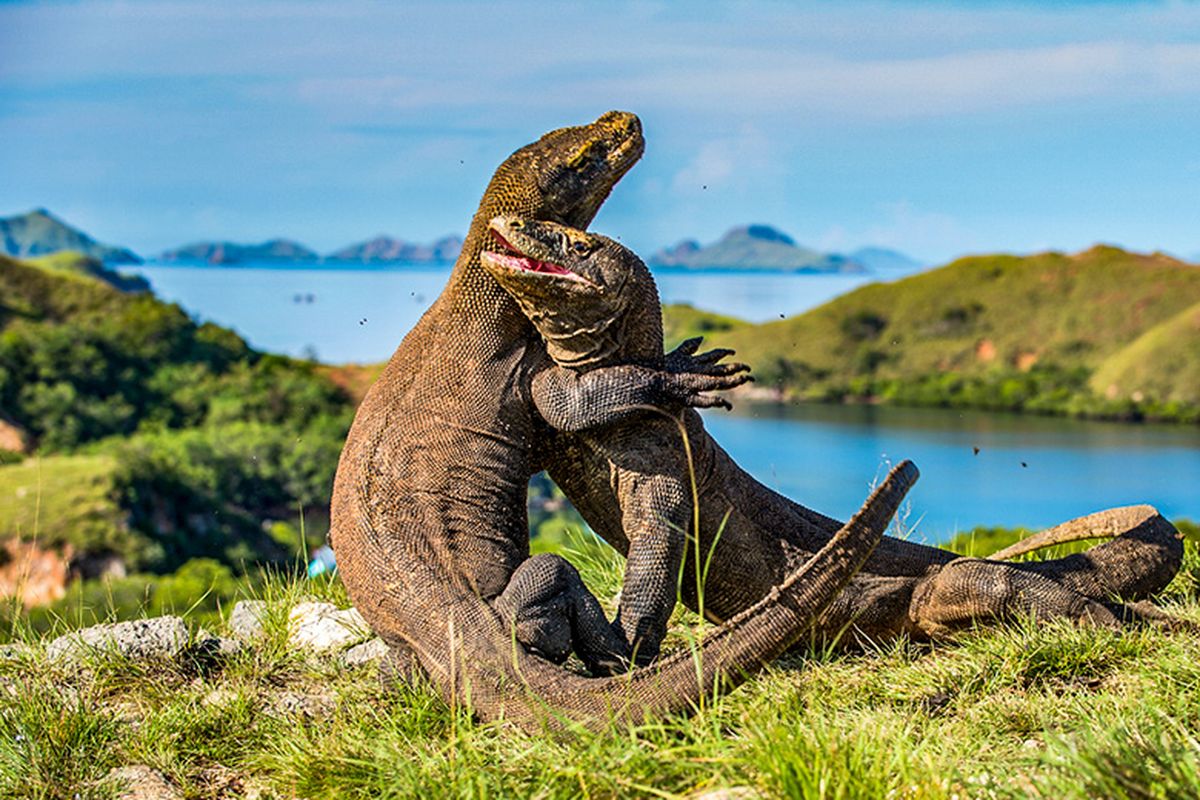
Komodo National Park is the only native habitat for the komodo dragon (Varanus komodoensis), the largest ancient lizard species in the world. This area is a popular tourist destination that implements strict conservation systems, such as restrictions on the number of visitors and registration systems.
It aims to maintain the balance of the ecosystem and reduce interference with the natural habitat of komodo dragons. In addition, the government also implements conservation-based tickets, so that each tourist visit contributes directly to the protection of this species.
In Komodo National Park, you can do various ecotourism activities, such as trekking on Rinca Island and Komodo Island to observe komodo dragons in their natural habitat. In addition, snorkeling in the waters of Pink Beach offers the experience of seeing the incredible marine biodiversity. For a more in-depth experience, you can also visit the komodo Conservation Center and learn about the efforts to preserve these rare animals.
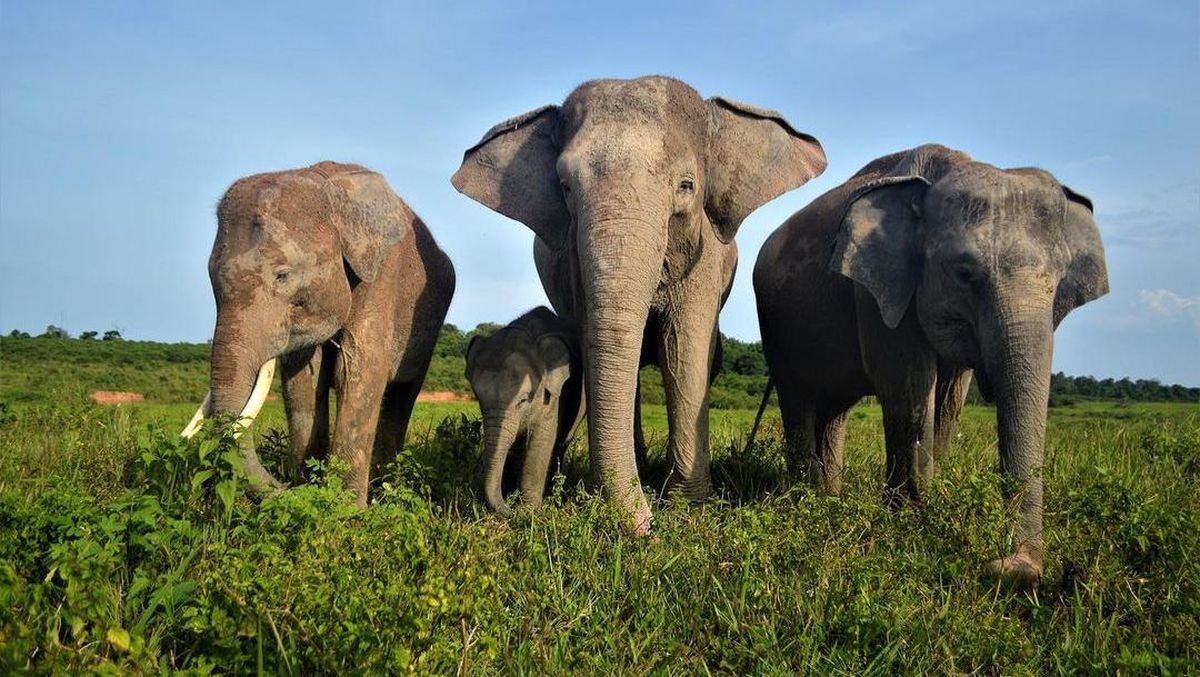
Located in Lampung Province, Way Kambas National Park is a Conservation Center for the endangered Sumatran elephant (Elephas maximus sumatranus). In addition to protecting wildlife, the National Park also plays a role in reducing conflicts between humans and elephants due to deforestation and poaching.
One of the main conservation efforts here is the Elephant Conservation Center, which is responsible for the rehabilitation, training and release of elephants back into the wild.
Tourists who visit Way Kambas can take a nature safari to observe elephants in their natural habitat. In addition to elephants, this National Park is also home to Sumatran tigers, tapirs, and various endemic bird species that can be observed through birdwatching activities.
Ujung Kulon National Park is known as the last habitat of the Javan Rhinoceros (Rhinoceros sondaicus), one of the rarest species in the world. Due to its very small numbers, the area is tightly managed to ensure that tourist activities do not interfere with wildlife life.
Ujung Kulon National Park also protects lowland rainforests that are rich in biodiversity, playing an important role in ecosystem balance.
In Ujung Kulon, you can enjoy various ecotourism activities, such as trekking in the rainforest to observe endemic flora and fauna. Birdwatching is also popular, as the area is home to a variety of rare bird species.
Bunaken National Park is one of the best marine ecotourism destinations in Indonesia, famous for its extraordinary underwater beauty. The region’s coral reefs are home to more than 390 species of coral, 90 species of fish, as well as a variety of other marine life, including green turtles and reef sharks.
To maintain the ecosystem, the government and local communities implement various conservation efforts, such as bans on explosive fishing, rehabilitation of coral reefs, as well as restrictions on the number of divers in sensitive areas.
When visiting Bunaken, you can enjoy various ecotourism activities, such as snorkeling and diving to explore the amazing underwater life. In addition, educational tours on marine conservation are also available, where you can learn the importance of preserving marine ecosystems and how the role of local communities in protecting this area.
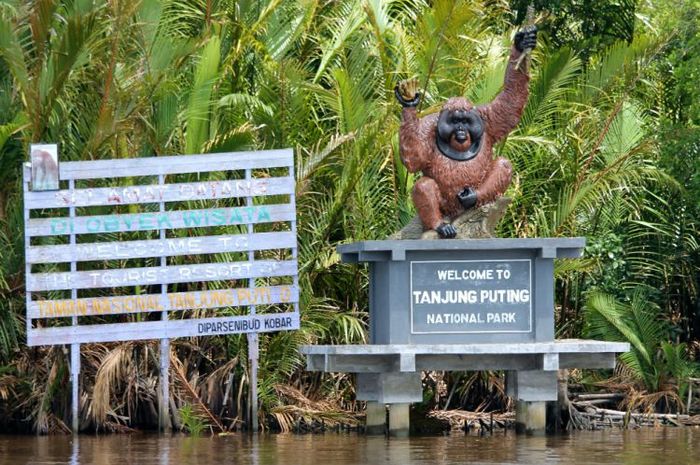
5. Tanjung Puting National Park, Central Kalimantan
Tanjung Puting National Park is a Conservation Center for the Bornean orangutan (Pongo pygmaeus), a primate species increasingly threatened by deforestation and illegal trade. The area has several orangutan research and rehabilitation stations, such as Camp Leakey, which was established to rescue and care for orangutans before they were released back to their natural habitat.
One of the best ways to explore this National Park is by taking a klotok, a traditional wooden boat that takes tourists along the Sekonyer River. During the trip, you can observe orangutans in their natural habitat, as well as see various other wildlife, such as proboscis monkeys and hornbills.
Nglanggeran Tourism Village in Yogyakarta offers a unique ecotourism experience by combining natural beauty, local cultural wisdom, and environmental education. This village is famous for the ancient volcano Nglanggeran, a million-year-old geological area that is a major attraction for tourists.
The specialty of this village lies in the conceptof community-based tourism, where local residents act as tour guides, homestay accommodation providers, and managers of various tourist activities. Thus, you can enjoy the beauty of nature while contributing directly to the welfare of the local community.
You can also try various ecotourism activities, such as climbing an ancient volcano, learning to grow crops in a citizen’s garden, participating in forest conservation, or participating in regional handicraft workshops.
Bali is not just about beaches and luxury resorts, you know! If you are tired of the hustle and bustle of the capital, you can take a vacation to Penglipuran Tourism Village, Bali.
Here, you can feel a more authentic Balinese feel with traditional culture and architecture that is still preserved. The village is known as one of the cleanest villages in the world, and this is no coincidence—it is the result of people’s awareness in taking care of their environment.
The village emphasizes social and cultural aspects in the management of its tourism. Not only exploring the village, you can follow traditional rituals, taste Balinese cuisine, and learn directly from the locals about the philosophy of living in harmony with nature.
Interestingly, this village is also active in preserving the environment, such as organic waste management and reforestation.
By visiting Penglipuran, you not only enjoy the beauty of nature and culture, but also support environmental conservation efforts and Balinese traditions.
Last but not least, siapa yang tidak terpesona dengan keindahan Raja Ampat? This destination is said to be one of the richest marine ecosystems in the world, with 75% of the coral species on earth can be found here.
The high interest of tourists certainly brings its own challenges, and therefore, the concept of ecotourism is key. The government and local communities impose a system of entry permits, restrictions on the number of visitors, as well as strict rules for tour operators.
As a tourist, you can do many exciting things such as diving, snorkeling without touching coral reefs, participating in Coral adoption programs, or living in homestays run by local residents. That way, the beauty of Raja Ampat can continue to be enjoyed by future generations.
The benefits of ecotourism for Environmental Education and the local economy
Ecotourism is not just a sightseeing activity, but also has a huge impact on the environment and local communities. With a concept that focuses on sustainability, ecotourism plays an important role in environmental education, local economic empowerment, and cultural preservation.
Here are some of the main benefits of ecotourism:
1. Education on Nature Conservation
Ecotourism provides an opportunity for you to learn first-hand about the environment and natural ecosystems. Through direct interaction with nature, you can understand the importance of maintaining ecosystem balance and see the real impact of human activities on the environment.
In many ecotourism destinations, educational programs are available that allow you to participate in various conservation activities, such as coral reef rehabilitation, tree planting, or the release of wildlife into their natural habitat. With this hands-on experience, especially for the younger generation, ecotourism instills important values about sustainability and environmental responsibility.
2. Empowering Local Communities
Ecotourism opens up economic opportunities for the surrounding community without damaging nature. Local residents can earn income from various sectors, such as homestay management, becoming a tour guide, to the production of handicrafts and traditional culinary.
With ecotourism, people do not need to rely on the exploitation of natural resources that damage the environment, such as poaching or illegal logging. On the contrary, they can obtain economic benefits in a sustainable and environmentally friendly way.
3. Driving A Sustainable Economy
Ecotourism helps to create a more environmentally friendly economic system by prioritizing sustainability.
In addition, income from ecotourism is often reallocated to nature conservation programs, ecosystem rehabilitation, and improvement of tourist village facilities. Thus, ecotourism also ensures the well-being of the environment and society in the long term.
4. Preserving Cultural Identity
Many ecotourism destinations in Indonesia also focus on preserving local culture. You are invited to get to know more about local wisdom, follow traditional rituals, and learn traditional skills that are passed down from generation to generation, such as weaving, making batik, or playing traditional musical instruments.
With the increasing appreciation of local culture, ecotourism helps local people maintain their traditions. This not only provides added value for tourists, but also prevents the extinction of valuable cultural heritage.
Enjoy Nature While Maintaining Its Sustainability
Those are 8 ecotourism destinations in Indonesia that you must visit, along with all the benefits of ecotourism. In addition to offering an exciting holiday experience, these destinations also have an important role in preserving nature.
Always support ecotourism in Indonesia by taking care of the Earth and the environment wherever you are. So, ready for a meaningful holiday?
Featured Image: ecotourism in Indonesia / Mongabay
Recognize the characteristics and types of waste
Did you know that humans produce a huge amount of waste every year? Before we go any further, guess what-how much waste is generated around the world each year?
According to data from the World Bank, in 2020 alone, the world produced about 2.24 billion tons of solid waste. This amount is equivalent to the weight of about 6,000 Empire State Building! More worryingly, if there is no change in waste management, this number is expected to increase to 3.88 billion tons by 2050.
Waste itself consists of various types. Each type of waste has its own impact on the environment and human health. Therefore, it is important that we understand how to properly reduce, recycle and manage waste.
Let’s explore more about each type of waste and how we can contribute to reducing its impact on the environment!
Understanding Waste
According to the Ministry of Environment and Forestry (MoEF), waste is the residual material produced from a production process, both industrial and domestic, whose presence is undesirable because it is considered to have no economic value and can pollute the environment.
Meanwhile, the World Health Organization (WHO) defines waste as something that is no longer used, then discarded, and has the potential to cause negative impacts on health and the environment if not managed properly.
In other words, waste is waste or waste that is not used. However, if not managed properly, it can be a threat to the environment and human health. Although many wastes are considered worthless, there are actually various types of waste that can still be recycled and reused for other purposes.
Types of waste
Waste has various characteristics that determine its impact on the environment and the way it is managed.
By understanding the properties of waste, we can be wiser in managing and reducing its impact on the environment. Let’s look at some types of waste in general the following.
1. Based On The Fact That Their Existence
Waste has various characteristics that determine its impact on the environment as well as how it is managed. By understanding the properties of waste, we can be wiser in managing and reducing its impact.
Solid waste is waste in the form of solid or semi-solid objects that are not easily decomposed naturally. Examples include plastic waste, paper, metal, glass, as well as construction waste.
According to the Ministry of Environment and Forestry (MoEF), Indonesia produced about 68.5 million tons of waste in 2022, with 18.5% of it in the form of plastic. Meanwhile, data from the World Bank says about 33% of global waste is solid waste, and most of it is generated from urban areas.
If not managed properly, solid waste becomes a big problem, especially if it accumulates in landfills (TPA). One vivid example of the impact of solid waste can be found in the Citarum River, West Java, which was once known as one of the most polluted rivers in the world due to the accumulation of plastic waste and industrial waste.
In response to these conditions, the government launched the ‘Citarum Harum’ program, an initiative to clean up and restore the river. Although it takes a long time, these efforts have shown progress in improving the condition of the Citarum River.
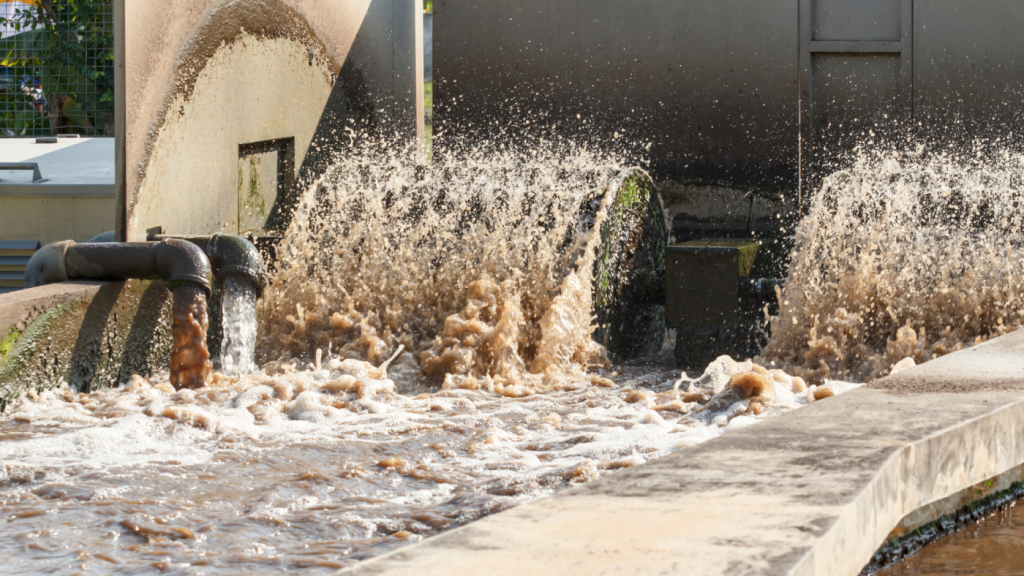
Liquid waste is one of the types of waste that we most often encounter in our daily lives. Examples include domestic wastewater such as used laundry water, soaps, and detergents, as well as industrial waste derived from manufacturing processes and factories.
According to data from the Ministry of Environment and Forestry (MoEF) in 2021, around 70% of industries in Indonesia dispose of liquid waste without going through an adequate treatment process. One of the real impacts of this is pollution in Jakarta Bay, where the discharge of household and industrial waste leads to increased levels of heavy metals that are harmful to the aquatic environment and marine ecosystems.
If not managed properly, wastewater can contaminate groundwater, rivers, and seas, ultimately impacting human health and ecosystem balance.
Gaseous waste is a type of waste that takes the form of gaseous substances or small particles in the air, which are often invisible but have a great impact on the environment and human health.
Examples include:
Carbon emissions from motor vehicles
Smoke from factories and power plants
Methane Gas from landfills (TPA)
According to Tempo’s 2022 report, DKI Jakarta recorded the largest contribution to greenhouse gas emissions in Indonesia, with the transportation sector as the main contributor. Air pollution due to this waste gas not only worsens air quality, but also has an impact on public health, such as increasing cases of respiratory diseases.
To reduce gas waste, measures such as switching to environmentally friendly transport, increasing urban greening and tightening regulation of industrial emissions are needed. By joint efforts, we can reduce the negative impact of waste gases on the environment and health.
2. Waste By Source
Waste can be categorized by source, and there are at least seven types of waste according to the source. Here are some of them:
Domestic Waste
Domestic waste is waste that comes from household activities, such as food waste, kitchen waste, plastic, and wastewater from laundry.
According to the Ministry of Environment and Forestry (MoEF) in 2020, Indonesia produces around 67.8 million tons of domestic waste annually. This figure is very large, but it can be suppressed if the community is more active in sorting and recycling waste.
One example of a successful domestic waste management program is the’ waste Bank ‘ in Surabaya. This Program encourages people to sort waste and Exchange it for money or groceries. Thanks to this program, Surabaya has managed to reduce waste deposits by 30% in recent years.
Industrial Waste
Industrial waste is waste resulting from the production process in a factory or manufacturing plant. Its types are very diverse, include:
Liquid waste: chemical residues from the textile, pharmaceutical, or other manufacturing industries.
Solid waste: leftover metal, plastic, or construction materials from the production process.
Waste gases: carbon emissions, factory fumes, or toxic gases resulting from industrial processes.
In fact, the textile industry sector in Indonesia produces about 2.3 million tons of waste annually, and most of it has not gone through a proper treatment process. Industrial waste generally contains hazardous and toxic materials (B3), so it requires special handling so as not to pollute the environment.
In order to reduce the negative impact of industrial waste, enterprises need to implement more environmentally friendly waste treatment systems, such as recycling of production waste and the use of environmentally friendly technologies in the manufacturing process.
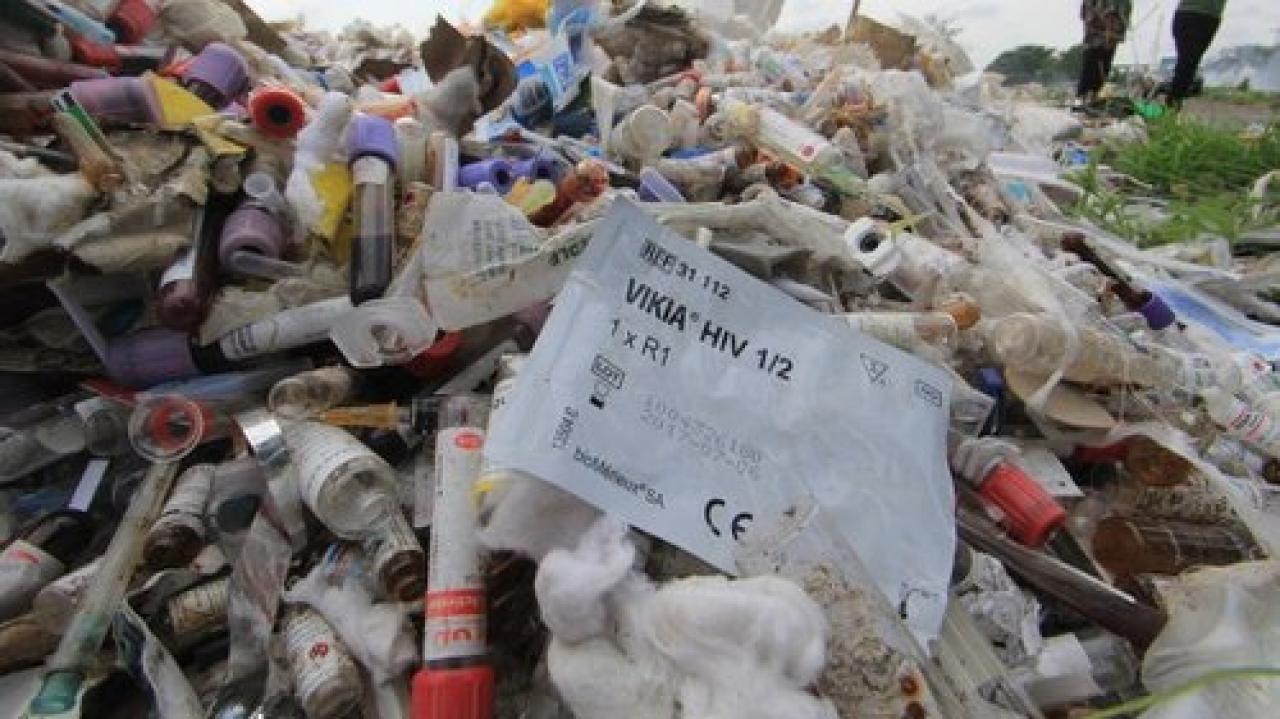
Medical waste or infectious waste is waste generated from health facilities, such as hospitals, clinics, laboratories and pharmacies. Examples include used syringes, used bandages, disposable gloves, as well as expired medicines. This waste belongs to the category of hazardous and toxic materials (B3) because it can transmit diseases and pollute the environment if it is not properly managed.
During the COVID-19 pandemic, the amount of medical waste in Indonesia increased drastically. The Ministry of Environment and Forestry (MoEF) noted that medical waste increased by 500% compared to the previous year. Disposable masks, personal protective equipment (PPE), and other disposable medical equipment are the main contributors to this increase in waste.
To deal with this problem, some hospitals in Jakarta are starting to use incinerator technology, which is a special combustion method to destroy medical waste with high temperatures, so as to reduce the risk of environmental pollution.
Agricultural Waste
Agricultural waste comes from agricultural and plantation activities, including crop residues, straw, rice husks, fertilizers, and pesticides. If not managed properly, these wastes can cause soil and water pollution, as well as contribute to changes in ecosystems.
According to a report from the Food and Agriculture Organization (FAO), about 20-30% of global agricultural crops end up as waste. This figure shows that there are still many potential agricultural products that can be utilized, both as animal feed, organic fertilizer, and bioenergy raw materials.
Electronic Waste (E-Waste)
Electronic waste or e-waste consists of electronic items that are not used, such as broken cell phones, used laptops, televisions, batteries, and other electrical devices. This waste contains hazardous materials such as mercury, lead, and cadmium, which can pollute the environment and harm human health if disposed of carelessly.
However, e-waste also has a high economic value because it contains precious metals such as gold, silver, and copper that can be recycled.
In Bali, there is a community called ‘E-Waste RJ’ which takes the initiative to collect electronic waste from the community, then process it into valuable items. In addition, they also educate the public about the dangers of disposing of e-waste carelessly. This step should be appreciated and can be an inspiration for other regions in managing electronic waste more responsibly.
Construction Waste
Construction waste is generated from building and renovation projects, such as leftover concrete, wood, iron, brick, and glass. These wastes usually accumulate in large quantities and are difficult to decompose naturally, thus contributing to environmental pollution and the crisis of landfills.
To overcome this problem, the construction industry began to implement the concept of recycling building materials, such as reprocessing used concrete and wood for other projects, and using environmentally friendly building materials that are easier to decompose.
Marine Waste
Marine waste is waste that ends up in ocean waters, especially plastic waste, used fishing nets and industrial waste that pollute marine ecosystems.
According to data from Jambeck Research Group in 2015, Indonesia is the second largest contributor of plastic waste to the sea in the world after China, with about 620 thousand tons of plastic waste per year. Plastic waste that pollutes the ocean can harm marine life, such as fish, turtles, and seabirds that accidentally eat plastic or get entangled in garbage.
To address this problem, the government and various environmental organizations continue to campaign for the reduction of the use of single-use plastics, beach cleaning, and Waste Management based on a circular economy.
3. Waste By Their Nature
Waste can also be categorized based on its nature, namely whether the waste is easily decomposed, difficult to decompose, or harmful to the environment and human health. Here are three main types of waste by their nature:
Organic Waste
Organic waste is waste that can be decomposed naturally by microorganisms in a relatively short time. For example, food waste (vegetables, fruits, eggshells), dried leaves and twigs, and agricultural waste (straw, bagasse).
One of the best solutions in dealing with organic waste is to compost. The composting process allows organic waste to be reprocessed into natural fertilizers that can be used to fertilize the soil and reduce environmental pollution.
Inorganic Waste
Inorganic waste is waste that is difficult to decompose naturally and takes tens to hundreds of years to decompose in the environment. Examples include plastic (bottles, plastic bags, styrofoam), glass (glass bottles, broken windows), metal (cans, aluminum, scrap metal).
In fact, single-use plastics take up to 450 years to decompose in nature. Therefore, it is important for us to reduce the use of plastic as well as support the ‘green living‘ movement, such as using cloth shopping bags instead of plastic bags, recycling plastic bottles and packaging, reusing inorganic items so that they do not become waste.
B3 waste (hazardous and toxic materials)
B3 waste (hazardous and Toxic Materials) is a type of waste that contains toxic, corrosive or flammable substances, which can harm human health and pollute the environment.
Examples include used batteries (containing mercury and lead), pesticides (containing chemicals toxic to soil and water), medical waste (used syringes, expired drugs), and chemical industry waste (asbestos, organic solvents)
B3 waste requires special handling so as not to pollute the environment. For example, used batteries should be collected and recycled in B3 waste treatment facilities, not thrown away carelessly.
4. Waste By Hazard Level
Waste can also be categorized based on the level of danger, namely whether the waste is relatively safe or has the potential to damage the environment and human health. Here are the two main types of waste based on their hazard level:
Non-Hazardous Waste (Non-B3)
Non-B3 waste is waste that does not contain toxic or harmful substances, so it is relatively safer for the environment. These wastes can generally be decomposed naturally or recycled without causing significant impacts. For example, Sisa food, waste paper, dry leaves and twigs.
Although non-B3 waste is not harmful, improper management can still lead to accumulation of waste in landfills,so it is important to apply the principles of reduce, Reuse , and recycle .
Hazardous Waste (B3)
B3 waste (hazardous and toxic materials) contains chemicals or materials that have the potential to damage the environment and endanger human health. Examples:
Electronic waste (e-waste): used batteries, broken cell phones, and electronic devices containing mercury and lead.
Industrial chemical waste: organic solvents, paints, and other chemicals that can cause soil and water pollution.
Medical waste: used syringes, expired drugs, and medical devices that have the potential to transmit diseases.
B3 waste must be managed with special procedures, such as treatment in hazardous waste facilities, incineration, or recycling in appropriate places, so as not to pollute the environment.
Cover
Well, buddy # KonservasYIARI, those are the different types of waste that are around us. Each type of waste has its own challenges and solutions in its management.
Waste is indeed one of the great challenges for the environment, but with proper management, its impact can be significantly reduced. Therefore, it is important for us to start from ourselves, by reducing waste production, sorting waste, and supporting recycling programs.
Let’s, together keep the environment clean and sustainable for future generations!
Blue economy: sustainable solutions for the use of Marine Resources
Have you ever wondered what a world would be like without a healthy ocean? The sea is not only a beautiful expanse of blue water, but also a source of life for billions of people, from small fishermen to large industries that depend on the wealth of the sea.
However, overexploitation and pollution have threatened our marine ecosystems. If left unchecked, not only the environment will suffer, but also the global economy and food security.
This is where the blue economy comes in as a solution. The concept offers a smart way to make sustainable use of marine resources, ensuring future generations can still enjoy the benefits.
How does the blue economy actually work? And what are some examples of its application in Indonesia? Let’s dive deeper!
Understanding The Blue Economy
Konsep ekonomi biru pertama kali diperkenalkan oleh Gunter Pauli dalam bukunya The Blue Economy: 10 Years, 100 Innovations, 100 Million Jobs. Pauli defined the blue economy as an economic model inspired by nature, in which resources are used efficiently, waste is minimized, and ecosystem balance is maintained.
Different from traditional economic approaches that often focus solely on financial gain, the blue economy ensures that human activities do not harm the environment, especially marine ecosystems.
According to the World Wide Fund for Nature (WWF), the blue economy is an approach that aims to make sustainable use of marine resources, while maintaining the health of their ecosystems. This means that sectors such as fisheries, marine tourism and renewable energies must be run in an environmentally friendly way so that they can be enjoyed by future generations.
In other words, the blue economy is the way humans make use of the ocean’s wealth without damaging it. It is like, we ‘borrow’ resources from nature, and then return them in the same or even better condition. Thus, it is not simply ‘take, use, consume’, but ‘take, Use, keep, and preserve’.
The concept and history of the Blue Economy
As mentioned earlier, the concept of the Blue Economy was first conceived by Gunter Pauli in 2010. Pauli proposed an economic model inspired by nature, in which resources are utilized efficiently and sustainably without harming the environment.
Over time, this concept evolved and began to be adopted by various countries, including Indonesia, as a solution to manage marine resources responsibly.
The main principle of the blue economy is to make optimal use of marine resources, but still maintain the balance of the ecosystem. It covers various sectors, such as:
Sustainable fisheries -ensuring fish stocks are maintained by implementing environmentally friendly fishing methods.
Marine tourism -developing conservation-based tourism without damaging marine habitats.
Renewable energy -utilizing energy sources from the ocean, such as waves and wind, to reduce dependence on fossil fuels.
Sustainable marine transport -reducing carbon emissions with the use of environmentally friendly technologies in the maritime industry.
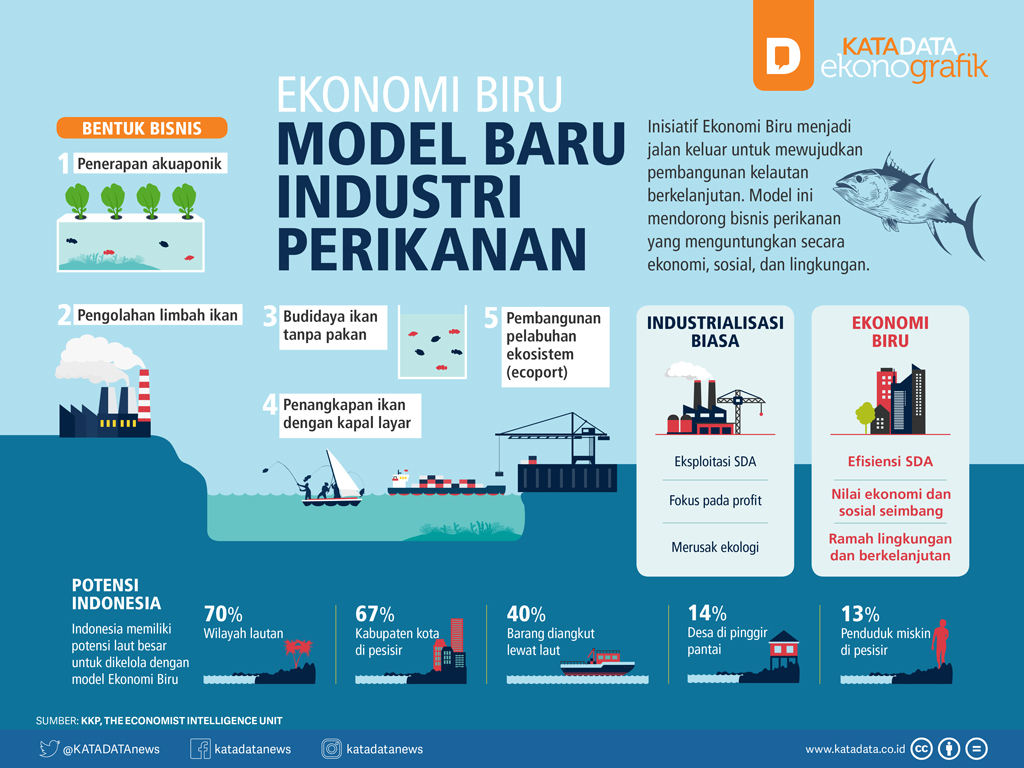
With the above principles, the overall artinua of marine activities must be carried out in an environmentally friendly manner. For example, as seen in the following infographic.
In practice, the blue economy puts forward an eco-friendly and inclusive approach, so that all activities related to the sea must be carried out responsibly in order to maintain the balance of the ecosystem.
For example, the blue economy-based fishing industry model not only focuses on fishing, but also ensures the sustainability of fish stocks for future generations.
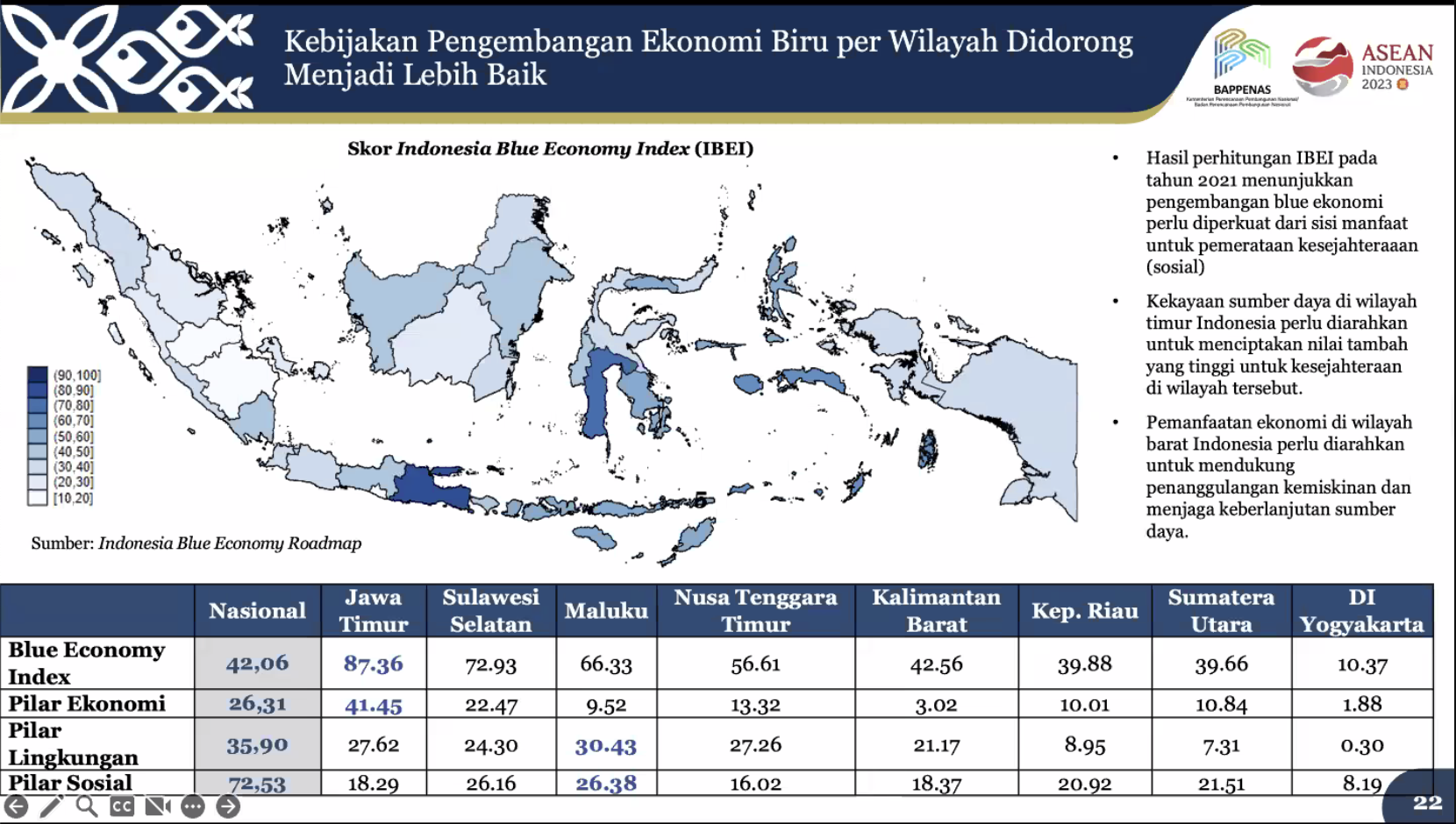
The government has even compiled a blue economy roadmap as a guide to implementing this concept, as you can see in the following image.
Blue Economy roadmap in Indonesia / source: FKPIndonesia
This roadmap covers various strategic sectors, such as fisheries, tourism, to renewable energy. The main goal is to make Indonesia a sustainable world maritime axis until 2045.
The Important Role Of The Blue Economy
There are several reasons why we should understand and manifest the blue economy for the sustainability of our oceans. Among them are the following.
1. Maintaining the balance of the marine ecosystem
In addition to being a tourist destination, the sea is also home to thousands of species of living things. By implementing a blue economy strategy, we can ensure economic activity does not damage marine ecosystems.
The blue economy emphasizes the sustainable management of marine resources, thus helping to preserve biodiversity as well as the health of marine ecosystems for future generations.
2. Reduce pollution and waste
Marine pollution, especially plastic waste, poses a serious threat to marine life. The blue economy encourages more environmentally friendly business practices, such as reducing the use of single-use plastics, implementing recycling and waste management systems, and developing environmentally friendly innovations in the marine industry.
With this approach, we can reduce pollution and maintain the quality of the marine environment.
3. Reducing the impact of climate change
Marine ecosystems, such as mangrove forests and seagrass beds, play an important role in absorbing carbon emissions and mitigating the effects of climate change.
Through the blue economy, the preservation of these ecosystems can be optimized so that the ocean remains an effective natural carbon sink. In addition, sustainable ocean-based economic practices can also reduce the carbon footprint of human activities.
4. Encouraging economic growth
The sea has enormous economic potential. According to the report of the Ministry of Marine Affairs and Fisheries (2017), the Marine and fisheries sector contributes about 7% to Indonesia’S GDP. In addition, the market value of marine resources and related industries is estimated at USD 3 trillion per year globally.
By applying the principles of the blue economy, the utilization of this potential can be done wisely and sustainably, thus providing long-term economic benefits without damaging the environment.
5. Creating jobs
In addition to benefiting the environment, the blue economy also opens up new job opportunities. The global marine fisheries sector provides about 57 million jobs, and this number continues to grow with the development of marine-based industries, such as seaweed farming, renewable energy from the sea (waves, wind, and tides), and ecotourism and marine tourism.
With proper management, the blue economy can create more jobs and improve the well-being of coastal communities.
6. Improving food security
The ocean is a source of animal protein for about 3 billion people worldwide. By implementing the Blue Economy Strategy, we can ensure that the stock of marine resources is maintained, so as to meet global food needs in a sustainable manner.
As the largest archipelagic country in the world, Indonesia has implemented a blue economy in various sectors to maintain the balance of marine ecosystems while improving the welfare of coastal communities. Here are some examples of blue economy implementation in Indonesia:
1. Seaweed cultivation in East Nusa Tenggara (NTT)
Seaweed is not only a raw material for food and cosmetics, but also a source of livelihood for many fishermen in East Nusa Tenggara (NTT).
Through an environmentally friendly cultivation system, seaweed farmers can increase their income without damaging the marine ecosystem. In fact, according to Binus data (2023), Indonesia is now one of the largest seaweed producers in the world.
2. Marine ecotourism in the Thousand Islands
Kepulauan Seribu in DKI Jakarta is one of the successful examples of the implementation of the blue economy through marine ecotourism. By preserving the marine environment and developing nature-based tourism, this area has managed to attract tourists while improving the local economy.
Activities such as snorkeling and diving in the waters that are still preserved in beauty become the main attraction for tourists. In addition, conservation education is also applied so that tourists can understand the importance of maintaining marine ecosystems.
3. Renewable energy from ocean currents in the Lombok Strait
Indonesia has great potential in the development of renewable energy from the Sea, one of which is through Marine current power plants (PLTAL).
In the Lombok Strait, a pilot project to harness ocean currents as a source of clean energy has been launched. According to Neliti research (2016), this project aims to reduce dependence on fossil fuels and support a green energy transition that is more environmentally friendly.
By utilizing stable and inexhaustible ocean currents, Indonesia can produce energy sustainably without causing high carbon emissions. In addition, the use of Ocean Energy is also in line with global efforts to combat climate change and reduce the negative impacts of global warming.
4. Mangrove conservation in Surabaya
Mangrove Botanical Garden in Surabaya is one example of the success of coastal ecosystem conservation that combines aspects of Environmental Conservation, Education, and tourism. Mangroves play an important role in resisting coastal abrasion, providing habitat for a variety of marine species and birds, and sequestering carbon to mitigate the effects of climate change.
Through mangrove conservation, coastal ecosystems can be maintained while providing economic benefits through the educational tourism sector. Many tourists and students come to learn about the importance of mangrove forests and how to maintain their sustainability.
In addition, the surrounding community also gets economic benefits with business opportunities in the ecotourism sector.
5. Sustainable fisheries management in Southeast Sulawesi
In Southeast Sulawesi, the implementation of the blue economy in the fisheries sector has had a positive impact on smallholders and the environment. Previously, many fishermen used destructive fishing methods, such as fish bombs or Tiger trawls, which led to a decline in fish populations as well as damage to coral reefs.
However, with the approach of the blue economy, fishermen are now starting to switch to more environmentally friendly fishing methods, such as using selective fishing gear and following local regulations regarding fishing seasons.
In addition to helping preserve marine ecosystems, this method also provides long-term benefits for fishermen, as it ensures the availability of fish for the future. In this way, fishermen can make wiser use of marine resources, improve their well-being and maintain the sustainability of the marine ecosystem in their region.
Creating a sustainable future with the Blue Economy
As a maritime country, Indonesia has a great responsibility in maintaining its seas. Support from the government, industry players, and the community is needed so that the concept of the blue economy can be applied widely and effectively. Every small step, such as reducing plastic waste, supporting sustainable fishery products, and participating in marine conservation, will have a big impact on the future of our planet.
Now is the time for us together to realize a greener and more sustainable future by applying the principles of the blue economy in our daily lives. By doing so, we not only safeguard the environment but also create new economic opportunities that are more inclusive and sustainable for all.
Carbon footprint: meaning, impact, causes and how to reduce it
Have you ever thought that every activity we do—from turning on the lights, using our cell phones, to enjoying a cup of coffee in the morning—leaves its mark on the Earth?
These traces are known as carbon footprints, and without us knowing it, their number continues to grow every day.
The more carbon emissions released into the atmosphere, the greater the impact on the environment, such as global warming, extreme climate change, and damage to ecosystems. But, how much do our activities actually affect the carbon footprint? And more importantly, what can we do to reduce it?
Let’s take a deeper look at how carbon footprints form, what causes them, and the steps we can take to make real change!
What is a carbon footprint?
Have you ever thought about the impact of daily activities on the environment? This concept is known as carbon footprint.
The carbon footprint is the total greenhouse gas emissions produced by human activities, either directly or indirectly. These gases include carbon dioxide (CO₂), methane (chī), and nitrous oxide (N₂O), all of which contribute to global warming and climate change. (Reel, 2024).
In other words, the Carbon Footprint refers to the amount of greenhouse gases released into the atmosphere as a result of various human activities, such as the use of motor vehicles, electricity consumption and the production process of goods.
The more activities that involve burning fossil fuels, the greater the resulting carbon footprint. Interestingly, each individual has a different carbon footprint, depending on their lifestyle, location, and type of activity.
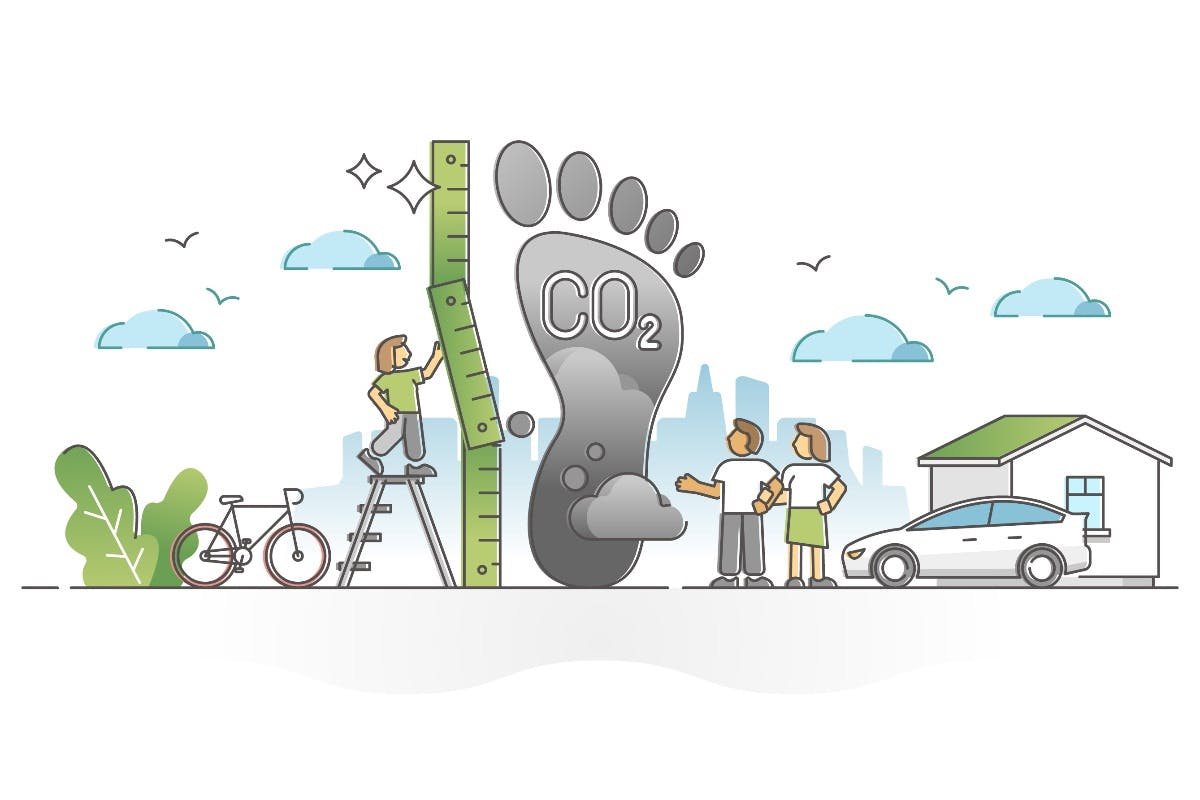
Carbontrail calculates an individual’s average carbon footprint as follows.
According to the Our World in Data 2024 report, the energy sector is the largest contributor to global carbon emissions, which is about 73% of total emissions. In it, electricity and heat production are the main contributors.
In addition, the transportation sector accounted for about 16%, while food production and distribution accounted for nearly 26%. That is, even the food we consume every day has its own carbon footprint!
Globally, the average carbon footprint per capita stands at around 4 tonnes of CO₂ per year. However, in developed countries such as the United States, this figure could reach 16 tonnes of CO₂ per person—four times higher than the global average.
Conversely, in developing countries such as Indonesia, the per capita carbon footprint rate tends to be lower. Despite this, large populations still contribute significantly to total national carbon emissions.
Causes Of The Appearance Of A Carbon Footprint
After understanding the concept of carbon footprint, it is important to realize almost all aspects of modern life contribute to carbon emissions. From large activities such as power plants to small habits, such as enjoying a cup of coffee in the morning, everything has an impact on the environment.
There are various factors that cause carbon footprints, but here are some of the main causes to consider:
1. Use of fossil energy
Electricity that powers lights, fuels vehicles, to gas for cooking or heating water comes mostly from burning fossil fuels such as coal, petroleum, and natural gas.
This fossil energy is one of the main contributors to global carbon emissions. According to International Energy Agency (IEA) data for 2023, the energy sector accounts for 73% of total global greenhouse gas emissions.
2. Transportation
How many vehicles are used every day? Cars, planes, ships and other vehicles are part of modern life, but they are also one of the main causes of carbon emissions.
According to the latest data, Land Transport accounts for 45% of the total emissions of the global transport sector, while aircraft account for about 12%.
3. Industry and production of goods
Everything we buy, from clothes to Gadgets, has a huge carbon footprint.
Industrial production processes, especially in sectors such as steel and cement, generate significant carbon emissions. According to the World Resources Institute’s 2024 report, the industrial sector is responsible for 6.5% of total global emissions.
4. Agriculture and deforestation
According to the book ‘carbon footprint: Global impacts and control efforts’ by Mamik Suendarti (2024), carbon footprint mainly comes from human activities such as fossil fuel burning and deforestation.
Not only that, the food we eat also contributes to carbon emissions. Products such as beef and milk have a high carbon footprint due to livestock processes that produce methane gas.
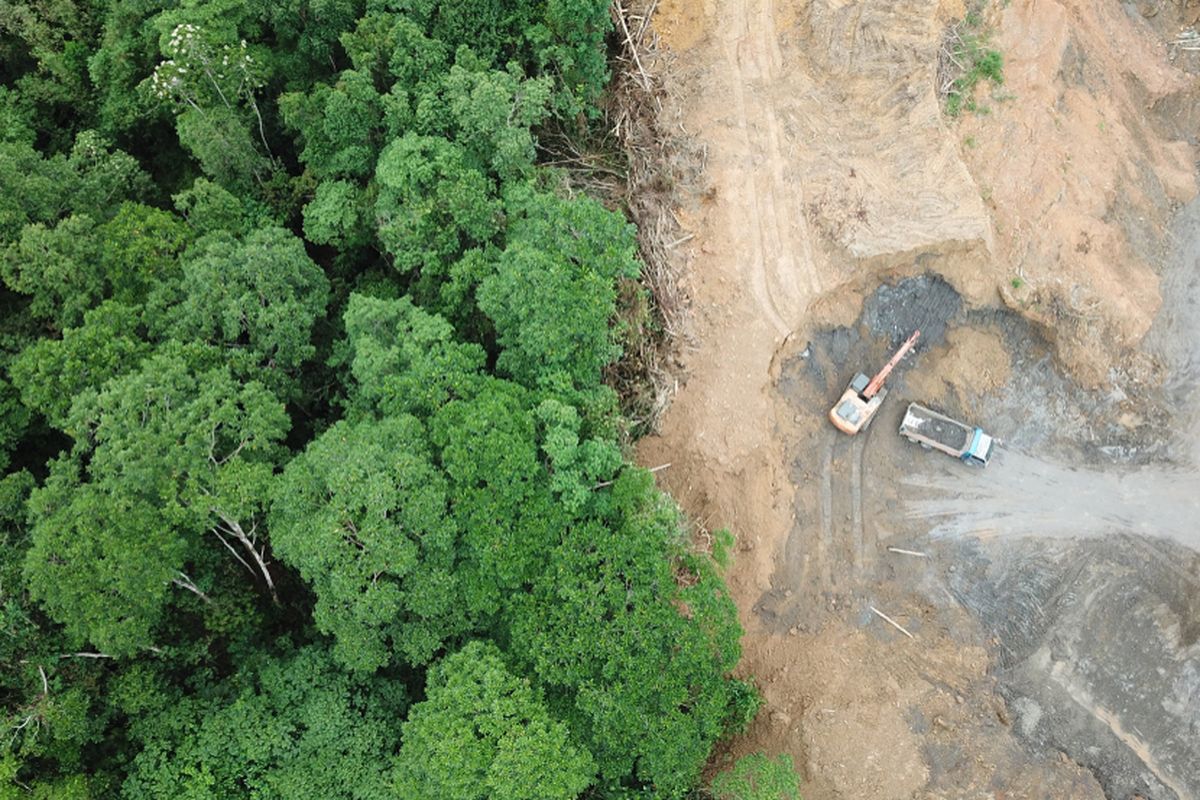
Deforestation activities— the clearing of agricultural land by cutting down trees-also exacerbate the situation. Trees that were supposed to absorb carbon were instead cut down, increasing the amount of carbon in the atmosphere.
Here are the data we refer to from ZonaEBT in 2023:
The ever-increasing carbon footprint has a domino effect that threatens the sustainability of the planet. One of the biggest impacts of the carbon footprint is global warming.
When greenhouse gases such as carbon dioxide (CO₂) accumulate in the atmosphere, they act like a giant blanket trapping the Earth’s heat. As a result, global temperatures are rising, causing various changes that upset the balance of ecosystems.
Here are some of the serious impacts of the carbon footprint on the Earth:
1. Extreme climate change
Extreme weather phenomena such as stronger storms, major floods, and prolonged droughts are a direct result of climate change triggered by carbon emissions.
Menurut laporan Intergovernmental Panel on Climate Change (IPCC) tahun 2021, suhu global telah meningkat rata-rata 1,1°C sejak era pra-industri, dan sebagian besar peningkatan ini disebabkan oleh aktivitas manusia.
2. Melting polar ice and sea level rise
Global warming is causing ice sheets in the North and South Poles to melt at an alarming rate.
As a result, sea levels rise, threatening small islands and coastal areas. If these conditions persist, coastal cities are at risk of sinking, forcing millions of people to evacuate.
3. Ecosystem damage
Natural habitats such as forests and oceans are seriously disrupted by climate change. This accelerates the extinction of various animal and plant species.
Coral reefs, which are home to thousands of marine species, are now experiencing mass bleaching due to warming and ocean acidification. If not addressed immediately, damage to these ecosystems will have a major impact on the food chain and the balance of nature.
Carbon Footprint Example
Now we already understand carbon footprints are everywhere, but did you know carbon footprints don’t just have one type?
As it turns out, there are several types of carbon footprints that we can encounter in everyday life. Here are some examples:
1. Jejak karbon pribadi (individual carbon footprint)
Personal carbon footprint is the greenhouse gas emissions generated from daily activities, such as vehicle use, electricity consumption at home, to the food you choose.
For example, if you often travel in a private car, the carbon emissions from that vehicle will be part of your personal carbon footprint. The more you use fossil fuels, the greater your carbon footprint.
Every item we consume, from food to clothing and gadgets, has a carbon footprint that comes from its production process, distribution, to how it is disposed of.
For example, electronic products such as mobile phones and laptops have a fairly high carbon footprint due to their energy-intensive manufacturing and distribution processes. Reporting from Telkomsel (2024), using a laptop for 8 hours per day produces a carbon footprint of around 433 gCO₂e.
3. Jejak karbon organisasi (organizational carbon footprint)
Not only individuals, organizations such as companies and government agencies also have a carbon footprint from their operations.
An organization’s carbon footprint includes emissions from office energy use, employee transportation, and waste disposal. For example, Apple reports that they are successfully reducing their carbon footprint to carbon neutral by switching to renewable energy and reducing emissions in their supply chain.
4. Jejak karbon negara (national carbon footprint)
Each country has a national carbon footprint, which is calculated based on the total greenhouse gas emissions from various sectors, such as energy, transportation, industry and agriculture.
For example, the United States is one of the largest emitters, with a national carbon footprint of more than 5.1 billion tons of CO₂ per year. Other countries such as China, India, and Russia also contribute large amounts of carbon emissions.
5. Jejak karbon layanan (service carbon footprint)
The digital services we use every day, such as video streaming, cloud computing, and shipping, also leave a carbon footprint.
Every time you watch a movie on a streaming platform, the data processed and stored on the server generates carbon emissions. According to the Shift Project (2019) Research, digital consumption accounts for about 4% of total global carbon emissions, and this figure continues to increase as internet users increase.
How To Reduce Carbon Footprint
Reducing our carbon footprint is not only the responsibility of governments or large corporations, but we all—as individuals—have an important role to play in keeping the planet healthy.
There are many ways we can reduce our carbon footprint, and some of them are very easy to implement in our daily lives. Here are some simple steps you can start right now:
1. Using environmentally friendly energy
One of the best ways to reduce your carbon footprint is to switch to renewable energy sources.
You can start by installing solar panels on your home or, if possible, opt for green power that uses energy from wind and sun. With this step, we can reduce dependence on fossil fuels, which are the main cause of carbon emissions.
2. Not ashamed to buy used goods
Feel free to buy second-hand items such as clothing, furniture or electronics.
By buying second-hand goods, you help reduce the demand for new production, which often requires large amounts of energy and produces high amounts of carbon emissions. In addition, buying used goods is also more economical, you know.
3. Using LED or halogen lamps
If you haven’t used LED lights yet, it’s time to switch!
LED lamps are much more energy efficient than incandescent or halogen lamps, and have a longer service life. By using LED lights, you will save electricity, while reducing the carbon footprint of household energy consumption.
4. Choose reusable items
As much as possible, avoid disposable items and switch to reusable items, such as stainless water bottles instead of plastic bottles, cloth shopping bags to replace plastic bags, and reusable food containers to reduce the use of styrofoam
5. Using public transportation or cycling
One of the easiest ways to reduce your carbon footprint is by using public transportation, cycling, or even walking if it’s a short distance away.
Personal transportation, especially those using fossil fuels, is one of the biggest contributors to carbon emissions. Therefore, switching to public transportation or using bicycles is very effective to reduce our carbon footprint.
6. Avoiding food waste
Every wasted food is wasted energy and resources. Spending whatever food we consume, storing food properly, and utilizing leftovers, is a big step in reducing our carbon footprint.
With these simple steps, you can calculate your carbon footprint, while taking active steps to reduce it.
It’s time to act for a better future
The ever-increasing carbon footprint has serious impacts on the Earth, from extreme climate change to ecosystem destruction. However, the good news is that we can all contribute to reducing it.
Every small step we take—like using renewable energy, switching to greener transportation, or reducing food waste—has a huge impact on keeping the planet sustainable. The more people who are aware and act, the greater the positive change we can create.
The Earth is our only home. Let’s take care of it together and reduce our carbon footprint from now on!
Getting to know heterogeneous forests: Definition, Benefits, characteristics, and examples
Have you ever imagined walking in the middle of a lush forest, surrounded by giant trees, the sound of birds singing, and the fresh scent of moist soil? Such is the charm of heterogeneous forests, one of the most rich and amazing ecosystems in the world.
Not just a collection of trees, this forest is home to thousands of species of flora and fauna, as well as an important role in maintaining natural balance.
What, then, exactly makes heterogeneous forests so special? How does it differ from a homogeneous forest?
Come on, check out more and discover the uniqueness and amazing benefits of this ecosystem!
Definition Of Heterogeneous Forest
Heterogeneous forests, as the name implies, are forests that have high plant diversity. This forest consists of various types of vegetation, ranging from large trees, bushes, to small plants and epiphytes (Indonesian Forest Service, 2024).
Unlike homogeneous forests dominated by one type of plant, heterogeneous forests are ecosystems rich in flora and fauna. This diversity creates a complex forest structure and supports a high ecological balance.
Heterogeneous forests are found in many tropical regions, including Indonesia. As an archipelagic country with more than 17,000 islands, Indonesia has one of the richest heterogeneous forests in the world. The forest is home to a variety of endemic species, such as Rafflesia arnoldii and the Sumatran tiger, which cannot be found anywhere else.
The peculiarity of heterogeneous forests lies in the complexity of their structure. In one small area alone, up to 300 different tree species can be found! This is very different from homogeneous forests, which usually have only one or two dominant tree species (Journal of Tropical Ecology, 2023).
Benefits Of Heterogeneous Forests
Heterogeneous forests have a very important role for life on Earth. In addition to providing stunning natural scenery, this forest also provides a variety of outstanding ecological, economic, and social benefits.
Here are some of the main benefits of heterogeneous forests:
1. Preserving biodiversity
Heterogeneous forests are home to thousands of species of flora and fauna. Indonesia alone has more than 10% of the world’s plant and animal species that live in heterogeneous tropical forests.
This diversity is important for the balance of ecosystems, while being a valuable asset for scientific research, the development of medicines and the conservation of rare species.
2. Sequester carbon and fight climate change
Tropical forests, consisting mostly of heterogeneous forests, absorb about 30% of global carbon emissions annually. Diverse vegetation in these ecosystems has a greater ability to absorb carbon than homogeneous forests.
Therefore, preserving heterogeneous forests is very important in efforts to reduce the effects of climate change and global warming.
3. Regulating the water cycle and protecting clean water sources
Heterogeneous forests play a role in absorbing, storing and distributing rainwater, thus helping to regulate the water cycle naturally. In addition to preventing floods and droughts, this process also maintains the availability of groundwater which is a source of clean water for the surrounding community.
4. Prevent soil erosion
The roots of plants that vary in heterogeneous forests are able to firmly bind the soil, thereby preventing erosion and landslides. According to the FAO report (2022), areas that lose forest cover often experience severe soil degradation, which ultimately negatively affects agricultural productivity and food security.
5. Sustainable economic resources
Heterogeneous forests provide a variety of natural resources, such as high-quality wood, rattan, resin, to traditional medicines. With sustainable management, these resources can be utilized without harming the ecosystem. The ecotourism industry in forest areas also provides economic benefits to local communities.
6. Important Habitat for rare and endemic species
Illustration of animals in heterogeneous Forest (Muffidz Masum | YIARI)
As mentioned earlier, Indonesia’s heterogeneous forests are home to many rare species. An example is Ujung Kulon NationalPark, which is home to the Javan rhinoceros, one of the most endangered species in the world. The existence of heterogeneous forests is essential for the survival of these rare animals.
7. Natural tourism facilities
Heterogeneous forests offer great natural beauty, making them ideal places for nature tourism and ecotourism. In addition to providing recreational benefits, ecotourism in this forest area also contributes to the local economy, while increasing public awareness of the importance of Environmental Conservation.
Features of heterogeneous forests
Illustration of heterogeneous forests in Indonesia / DepositPhotos
Heterogeneous forests have distinctive characteristics that distinguish them from homogeneous forests. The main difference lies in the high diversity of flora and fauna and the complex structure of the ecosystem.
Here are some of the main characteristics of heterogeneous forests:
1. High species diversity
Heterogeneous forests consist of different types of trees, plants, and Wildlife. In one small area, hundreds to thousands of species can coexist, creating a balanced and interdependent ecosystem.
According to the Journal of Biodiversity Conservation report (2022), a heterogeneous tropical forest in Borneo has more than 300 tree species per hectare. This high diversity makes heterogeneous forests the center of World biodiversity.
2. Diverse vegetation structure
Heterogeneous forests have a complex vegetation structure, consisting of several different layers of vegetation, including:
Upper canopy: tall trees that form the roof of the forest and shade the layers below.
Middle layer: medium trees and large shrubs that are habitat for various species of birds and small mammals.
Undercoat: consists of small plants, lichens, fungi, as well as various herbs that grow on the forest floor.
This layered arrangement creates an ideal habitat for a variety of species, from fruit-eating birds to small insects that play a role in the ecosystem.
3. Habitat for various species
Heterogeneous forests are home to diverse animal species, including birds, mammals, reptiles, amphibians, and insects. The layered vertical structure allows a given species to occupy an area that suits its needs.
For example, fruit-eating birds are more common in the canopy layer, while small mammals such as deer or anteaters tend to live on the forest floor. This diversity makes heterogeneous forests a very dynamic habitat.
4. Complex ecological interactions
Heterogeneous forests have ecological systems that are interconnected and dependent on each other. This complex ecological network makes heterogeneous forests a system capable of surviving and regenerating naturally.
Some examples of ecological interactions that occur in it are:
Symbiosis between plants and animals: some plants utilize animals to aid in pollination and seed dispersal.
Balanced food chains: species diversity creates stable predator-prey relationships.
The role of large trees as protectors: tall trees provide shade for small plants and keep the environment moist.
Examples of heterogeneous forests in Indonesia
Illustration of water source in heterogeneous Forest / Kompas
Indonesia has tremendous natural wealth, including heterogeneous forests spread across various regions. These forests play an important role in maintaining the balance of the ecosystem as well as being home to various species of flora and fauna.
Here are some examples of heterogeneous forests in Indonesia:
1. Tropical rainforest in Borneo
The tropical rainforest in Kalimantan is one of the largest heterogeneous forests in Indonesia. This area is often referred to as the’ lungs of the world ‘ because it stores millions of tons of carbon and is a habitat for rare species such as the Bornean orangutan (Pongo pygmaeus) and proboscis monkey (Nasalis larvatus).
According to WWF Indonesia data (2023), this forest has more than 15,000 plant species, making it one of the regions with the highest biodiversity in the world.
2. Mount Leuser National Park, Sumatra
Located on the border of Aceh and North Sumatra, Gunung Leuser National Park is one of the most important conservation areas in Indonesia. This heterogeneous forest is home to key species such as the Sumatran tiger (Panthera tigris sumatrae), Sumatran elephant (Elephas maximus sumatranus), and Sumatran rhinoceros (Dicerorhinus sumatrensis).
In addition, this area also serves as a catchment area that supports the lives of millions of surrounding residents.
3. Lorentz National Park, Papua New Guinea
As the largest heterogeneous forest area in Southeast Asia, Lorentz National Park covers a very diverse ecosystem, from the lowlands to the snowy peaks of the Jayawijaya Mountains.
In 1999, UNESCO designated this area as a World Heritage Site due to the uniqueness of its ecosystem. Some of the species that live here include Birds of paradise that became the icon of Papua and tree kangaroos (Dendrolagus sp.), a unique mammal found only in this region
4. Dieng Mountain Forest, Central Java
Although smaller in size than tropical forests in Kalimantan or Sumatra, forests in the Dieng Mountains remain examples of heterogeneous forests with distinctive biodiversity.
In this area, you can find various endemic plant species as well as rare fauna such as the Javanese Eagle (Nisaetus bartelsi), which is currently endangered.
5. Sulawesi Tropical Rainforest
The forests of Sulawesi have a unique diversity of species due to their geographical isolation. Some endemic animals found only in this region include:
Anoa (Bubalus sp.), a small relative of the Buffalo
Babirusa (Babyrousa sp.), mammals with uniquely curved tusks
The Importance Of Preserving Heterogeneous Forests
Heterogeneous forests have a vital role in maintaining the balance of the environment and human life. From sequestering carbon to providing natural resources, the benefits are vast and irreplaceable.
However, these forests face various threats such as deforestation, land encroachment, and climate change. Therefore, sustainable conservation and management efforts are needed so that heterogeneous forests are maintained for future generations. By raising awareness and participating in environmental conservation, we can help sustain these forests for a greener and healthier future!
Featured image: illustration of heterogeneous Forest / Ruangguru
Getting to know reforestation: green investments for a more sustainable Earth
Imagine if the once lush forest now turned into barren and arid land. The air becomes hot, the soil loses its fertility, and many wildlife lose their habitat. This is the reality facing many regions of the world due to deforestation.
However, there is hope to restore the damaged ecosystem again—through reforestation.
In Indonesia, various efforts have been made to re-green degraded forests, from planting trees in watersheds to mangrove forest restoration. However, how big is the impact? What are the challenges still faced?
Let’s take a deeper look at how Indonesia is striving to restore its forests to their former glory and preserve the environment for future generations.
Understanding Reforestation
Comparison of healthy forests and deforested land / Kompas
According to the Food and Agriculture Organization (FAO), reforestation is the process of replanting forests or land that has previously lost its tree cover due to logging, fires, or other human activities.
The main purpose of reforestation is to restore the functions of forest ecosystems, such as maintaining climate balance, protecting biodiversity, and providing natural resources for humans. Thus, reforestation plays an important role in reducing the effects of climate change and improving environmental quality.
Basically, reforestation is an attempt to ‘heal’ the Earth by re-greening land that has been damaged. However, more than just planting trees, reforestation also ensures that restored forest ecosystems can function as natural forests.
Difference between reforestation and reforestation
Many people often confuse reforestation and reforestation. Both are related to tree planting, but have fundamental differences.
Reforestation is carried out in areas of forest that have been cut down or disturbed to replace missing trees. The focus is on replanting trees so that the area is green again.
Reforestation, on the other hand, includes the complete restoration of ecosystems. In addition to planting trees, reforestation also aims to improve the quality of soil, water, and support the restoration of biodiversity.
In other words, reforestation can be part of reforestation, but reforestation has a broader scope because it involves the restoration of the ecosystem as a whole.
Benefits Of Reforestation For The Earth And People
Did you know that reforestation has many amazing benefits for the environment and our lives? Some of them are:
1. Reducing The Impact Of Climate Change
One of the biggest benefits of reforestation is its ability to absorb carbon dioxide (CO₂) from the atmosphere, which is a major cause of global warming.
According to the World Resources Institute, tropical forests are capable of absorbing up to 2.4 billion tons of CO₂ per year, making them a natural solution in reducing greenhouse gas emissions. With the increasing extent of forest areas being restored, the rate of climate change can be suppressed, so that the Earth’s temperature remains stable.
In Indonesia, net deforestation in 2021-2022 reached 104 thousand hectares, according to data from the Ministry of Environment and Forestry (MoEF). This figure shows how important reforestation is in balancing ecosystems and reducing the negative impacts of climate change.
2. Preventing Natural Disasters
Dense forests serve as a natural barrier that can prevent various disasters, such as floods, landslides, and erosion. Tree roots help stabilize the soil and absorb rainwater, thereby reducing the risk of disasters that can harm humans as well as the environment.
With reforestation, the frequency and impact of natural disasters can be minimized. In addition, reforestation also helps maintain soil fertility, which is very important for the sustainability of the agricultural sector and the lives of people around the forest.
3. Providing Habitat for Biodiversity
Forests are home to thousands of species of flora and fauna. Unfortunately, deforestation has led to the loss of natural habitat for many wildlife, increasing the risk of their extinction. Reforestation is an important solution in restoring natural ecosystems and ensuring that various species can live and reproduce properly.
For example, a reforestation program in Gunung Leuser National Park has helped preserve the endangered Sumatran orangutan population. By restoring degraded forests, we can protect wildlife while maintaining the balance of the ecosystem as a whole.
4. Improve Air Quality
In addition to absorbing carbon dioxide, trees planted through reforestation also play an important role in producing oxygen through the process of photosynthesis. This helps improve the quality of the air we breathe every day. In addition, trees can also absorb pollutants such as dust and other harmful gases, making the air cleaner and healthier.
Imagine, one adult tree is able to produce enough oxygen for four people every day! Therefore, the more trees planted, the better air quality we enjoy.
5. Improving Public Welfare
Reforestation also contributes to the economic well-being of communities. Recovered forests can be a source of various products of economic value, such as wood, fruits, as well as raw materials for natural medicines.
In addition, reforestation creates new jobs in various sectors, from planting and maintaining trees to processing non-timber forest products, such as honey, rattan and essential oils.
Moreover, healthy forests also encourage the growth of natural tourism sectors, such as ecotourism and educational tourism, which provide additional economic benefits to local communities.
6. Maintaining the water and soil cycle
Forests have an important role in maintaining the balance of the water cycle. The trees that grow in the forest serve as natural water stores, absorbing rainwater, and then slowly releasing it into the soil. This process helps maintain the stability of river flow, reduce the risk of flooding during the rainy season, and prevent drought in the dry season.
In addition, forests also play a role in increasing soil fertility. Fallen leaves and twigs will undergo a decomposition process and become humus, which is rich in nutrients. This humus layer is very important to maintain the fertility of agricultural land and support the growth of other crops.
7. Reducing The Effects Of Urban Heat Island
In urban areas, reforestation plays a role in reducing the effect of ‘Urban Heat Island’, a phenomenon in which the temperature of the city is higher than the surrounding area due to the lack of green space and the dominance of concrete and asphalt. Trees in green areas can provide shade, absorb heat, as well as increase air humidity.
According to research, the presence of green spaces in cities can lower the air temperature by 2-8°C, thereby creating a more comfortable environment for residents. In addition, trees also help absorb air pollutants, such as carbon monoxide and dust particles, so that air quality in urban areas becomes better.
Examples Of Reforestation
After discussing the benefits of reforestation, we now look at some real examples of reforestation projects that have been successful in various parts of the world.
Here are some of them:
1. Reforestation project in Jeruklegi Wetan Village, Indonesia
In Indonesia, one successful example of reforestation occurred in Jeruklegi Wetan Village, Cilacap. In the past, the land in this village was a barren area that experienced ecosystem degradation. However, through reforestation efforts involving local communities, the land has now been turned into a lush green area.
Various types of trees such as mahogany, albizia, and trembesi are planted to improve soil conditions and increase biodiversity. As a result, this area is now a habitat for wildlife such as birds and monkeys, as well as providing economic benefits through forest products and ecotourism-based natural tourism potential.
2. Mangrove forest restoration in Indonesia
Indonesia has one of the largest mangrove forest restoration programs in the world. One of the prominent projects is the replanting of mangroves in Pantai Indah Kapuk, Jakarta, which aims to prevent beach abrasion as well as increase marine biodiversity.
According to the Ministry of Environment and Forestry (MoEF), Indonesia has successfully restored more than 600,000 hectares of mangrove forest since 2020. These efforts help coastal ecosystems stay healthy, as well as support the economy of coastal communities through the Fisheries and ecotourism sectors.
3. Program ‘One Billion Trees’ di Selandia Baru
New Zealand has an ambitious project called’ One Billion Trees’, which targets planting one billion trees by 2028. The Program aims to reduce carbon emissions, improve soil quality, and restore ecosystems damaged by deforestation.
This initiative involves various parties, including the government, the private sector, and local communities. By 2023, more than 500 million trees have been planted. In addition to the environmental benefits, the project also created thousands of new jobs, especially in the Sustainable Forestry and agriculture sectors.
4. Proyek ‘Great Green Wall’ di Afrika
The ‘Great Green Wall’ project is one of the world’s largest reforestation efforts, aiming to plant 8,000 km of trees in the Sahel, Africa. The initiative began as a solution to address desertification, the growing spread of deserts due to climate change and soil degradation.
To date, more than 20 million hectares of land have been successfully restored, creating jobs for millions of people, as well as improving food security and the quality of life of people in the region. This project is a clear example of how reforestation can have a huge impact on ecosystems and human well-being.
5. Platform Digital EcoGrow di Indonesia
In the digital age, technology also plays a role in encouraging reforestation efforts. EcoGrow is a community-based platform that combines the concepts of reforestation, crowdfunding, and blockchain technology to ensure transparency and sustainability of forest conservation projects in Indonesia.
Through EcoGrow, communities can contribute to funding and supervising reforestation projects transparently. The initiative helps re-green critical land, while empowering local communities by creating conservation-based economic opportunities.
Forest reforestation efforts in Indonesia
Indonesia continues to make various reforestation efforts to restore damaged forests and achieve global environmental targets.
Here are some concrete steps that have been taken:
According to the Ministry of Environment and Forestry (MoEF), Indonesia has restored 1.2 million hectares of forest and critical land during 2019-2023. The measure supports the Nationally Determined Contribution (NDC) target of reducing greenhouse gas emissions by 29% independently and 41% with international support by 2030.
2. National Movement for Watershed Restoration(DAS)
The National Movement for Watershed Restoration focuses on planting trees in watersheds to prevent flooding, erosion, and soil degradation. This Program helps to improve water quality as well as maintain the balance of the river ecosystem.
3. Social Forestry Program
Social forestry programs involve local communities in managing and restoring forests. Until 2023, it has covered 4.7 million hectares of land and involved more than 1.2 million families. This Program provides economic benefits while preserving the environment.
4. Mangrove Forest Restoration
Indonesia has one of the largest mangrove restoration programs in the world. Since 2020, more than 600,000 hectares of mangrove forest have been restored, helping to reduce abrasion and increase marine biodiversity.
5. Collaboration with the private sector and society
Reforestation programs involve various parties, including governments, private companies, NGOs, and local communities. Several initiatives such as EcoGrow and tree planting campaigns by various organizations are helping to accelerate forest recovery.
Reforestation as the key to environmental recovery
Reforestation is a crucial step in maintaining ecosystem balance and addressing the effects of climate change. Indonesia has made various efforts, ranging from forest and critical land restoration, watershed restoration, to community involvement in social forestry programs.
While challenges such as deforestation and land conversion still exist, collaboration between governments, the private sector, and communities is key to achieving broader reforestation targets.
By continuously strengthening conservation policies and raising awareness of the importance of reforestation, we can ensure that forests remain a source of life for people and biodiversity. Every tree planted today is an investment in a greener and more sustainable future.
West Kalimantan Marine Conservation Cooperation: Joint Efforts To Protect Coastal Ecosystems
Cooperation in the management of coastal and marine resources plays a crucial role in maintaining ecosystem balance while supporting environmental sustainability. Coastal and marine areas store biodiversity, as well as being the main source of livelihood for the people who live around them.
Unfortunately, pressures from overexploitation, the effects of climate change, and various other human activities are increasingly threatening the sustainability of these resources. Therefore, an integrated management strategy is needed, based on cross-sector collaboration, and involving various stakeholders.
In this case, the synergy between government agencies, conservation organizations, and local communities is a key element to ensure the sustainability of the coastal environment can be maintained sustainably.
One example of this collaborative effort is the signing of a cooperation agreement between Yayasan Initiasi Alam Rehabilitasi Indonesia (YIARI) and Balai Pengelolaan Sumberdaya Pesisir dan Laut (BPSPL) Pontianak, which aims to strengthen the protection and management of coastal resources more effectively.
When Is This Activity Carried Out?
Atmosphere of cooperation agreement signing (BPSPL Pontianak)
The signing of the cooperation agreement was held on February 10, 2025 between YIARI, BPSPL Pontianak, Faculty of Agriculture, University of Tanjungpura, and Ketapang Conservation WeBe Foundation.
This collaboration aims to strengthen environmental conservation efforts, encourage sustainable management of Natural Resources, and increase the involvement of academics and communities in the preservation of coastal and aquatic ecosystems in West Kalimantan.
The signing ceremony took place in a hybrid format, combining physical presence and online participation. Some participants attended directly at the Bpspl Pontianak office, while others followed the procession through the Zoom Meeting platform.
This Format allows for greater participation, encourages transparency, and strengthens cross-sector collaboration. Through this cooperation, it is expected that various programs will be born that have a real impact in maintaining ecosystem sustainability and improving the welfare of coastal communities.
Purpose of Yiari cooperation agreement with BPSPL Pontianak
The process of signing a cooperation document between YIARI and BPSPL (BPSPL Pontianak)
Through this agreement, the four institutions are committed to strengthening conservation efforts and sustainable management of Coastal Resources in the West Kalimantan region. The main objectives of this cooperation are:
1. Strengthen effective networking and collaboration
Synergy between government, academia, and conservation organizations is an important element in preserving coastal and marine ecosystems. Through this agreement, communication and coordination across sectors are expected to be stronger, so as to be able to face various challenges in managing natural resources more effectively and integrated.
With a sea area of about 3.25 million km2, Indonesia holds an extraordinary marine biodiversity. This agreement aims to strengthen various conservation initiatives in order to run sustainably, maintain ecosystem balance, while ensuring the economic and social sustainability of coastal communities in the long term.
3. Improving Marine Resource Management in West Kalimantan
The waters of West Kalimantan are an important habitat for a number of rare and protected species, such as turtles, dugongs, and various types of reef fish. This cooperation is expected to encourage the implementation of scientific and adaptive management systems, emphasizing practices oriented to environmental sustainability.
4. Preserving Natural Wealth
Yiari and BPSPL commitment to safeguard the West Kalimantan sea (BPSPL Pontianak)
Threats to marine ecosystems, such as pollution, destruction of coastal habitats, and destructive fishing activities, are increasing.
This agreement is a concrete step in strengthening efforts to preserve marine biodiversity, so that future generations can still enjoy and utilize Indonesia’s natural resources responsibly and sustainably.
Cooperation Implementation Plan
In order for this cooperation agreement to be implemented effectively and have a real impact, the four institutions involved have designed an implementation plan that includes a number of strategic programs.
The plan is based on collaborative, science-based, and sustainability-oriented principles. The main steps that will be carried out include:
1. Training and counseling
This Program aims to increase the capacity of coastal communities and other stakeholders in managing marine resources sustainably. Activities that will be carried out include conservation training, the application of environmentally friendly cultivation techniques, as well as the introduction of sustainable fishing practices that support ecosystem balance.
2. Research and development
To ensure every conservation measure is based on accurate data, a series of scientific studies will be conducted on the condition of coastal and marine ecosystems in West Kalimantan. The research includes monitoring populations of protected species, identification of threats to marine habitats, as well as preparation of Technical Recommendations for better management.
3. Strengthening policies and regulations
In an effort to strengthen environmental governance, this cooperation also includes support for the formulation and implementation of policies based on scientific data. In addition, there will be monitoring of the implementation of conservation regulations to ensure compliance at the local and regional levels.
4. Increased Public Awareness
Community education is an important aspect in maintaining sustainability. Through various campaign activities, socialization, and dissemination of information, this program aims to raise public awareness about the importance of preserving marine ecosystems, as well as the benefits of managing coastal resources wisely and sustainably.
Marine Ecosystems, Shared Responsibility
The synergy between BPSPL Pontianak, Faculty of Agriculture, University of Tanjungpura, YIARI, and Ketapang Conservation WeBe Foundation is a strategic step in maintaining the sustainability of coastal and marine natural resources.
Through this cross-sector collaboration, the utilization of marine resources is expected to be done wisely, without compromising the sustainability of the ecosystem. Various initiatives such as scientific research, community assistance, and the application of environmentally friendly technologies are the main pillars in building a sustainable resource management model.
This joint effort not only focuses on ecological aspects, but also emphasizes the importance of a balance between conservation and the well-being of coastal communities. Thus, the marine ecosystem is maintained, while providing economic benefits for current and future generations.
In addition, education and capacity building activities for fishermen and local communities are important elements in strengthening marine-based economic resilience. This approach is expected to create coastal communities that are independent, resilient, and concerned about the preservation of the marine environment.
Featured image: the initiator team of yiari and BPSPL cooperation for West Kalimantan marine conservation (BPSPL Pontianak)

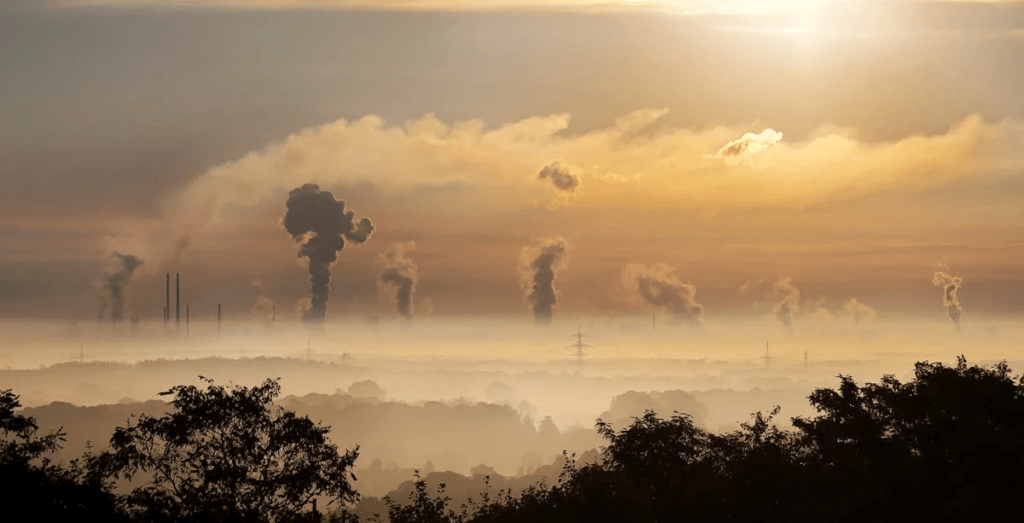


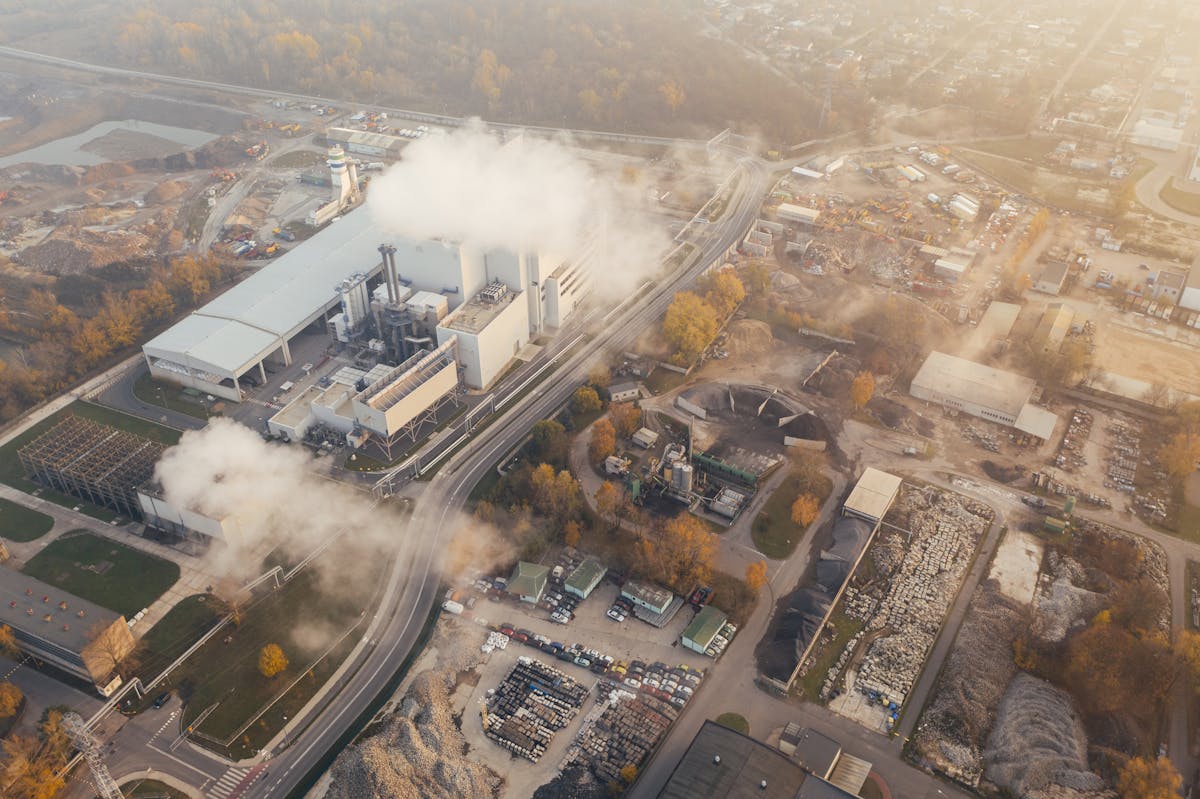
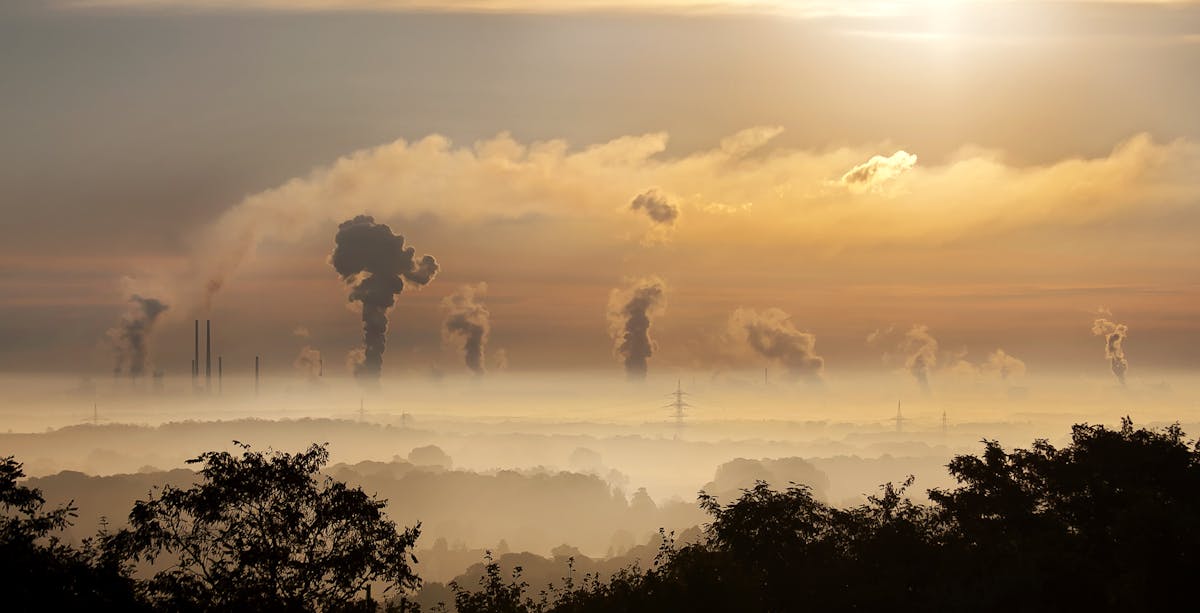
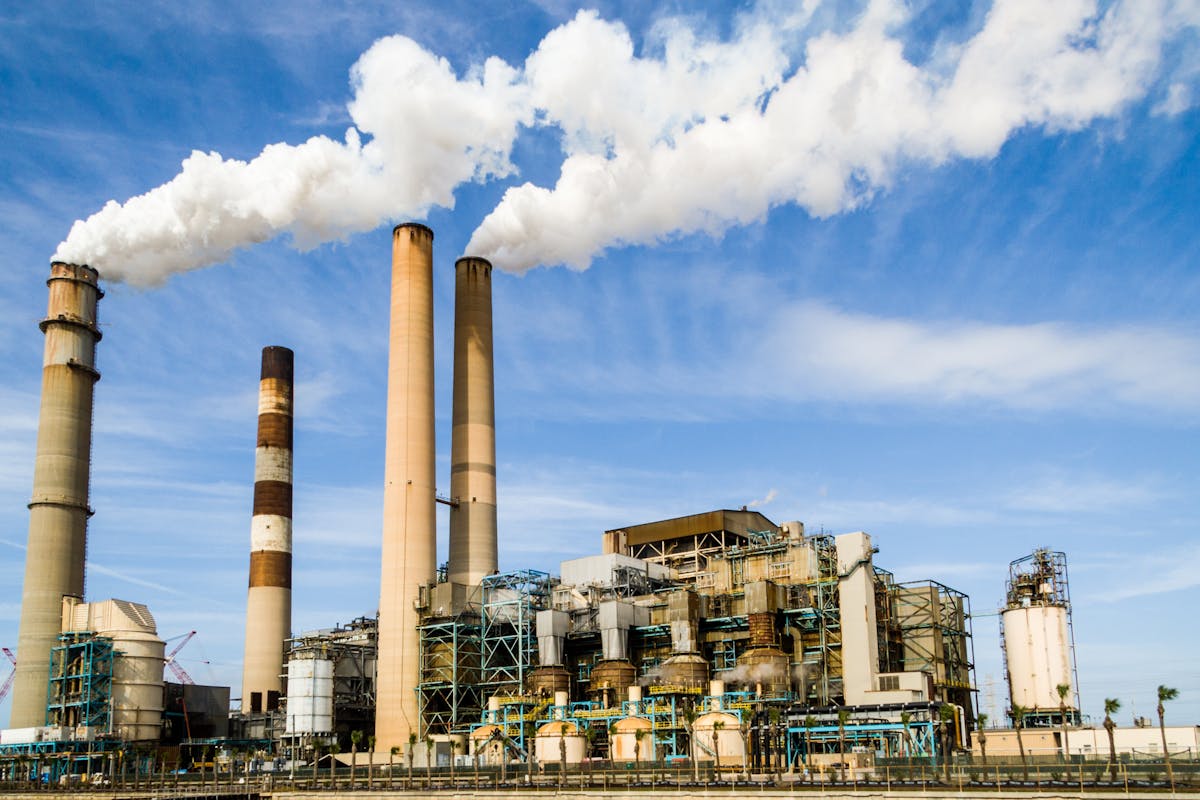
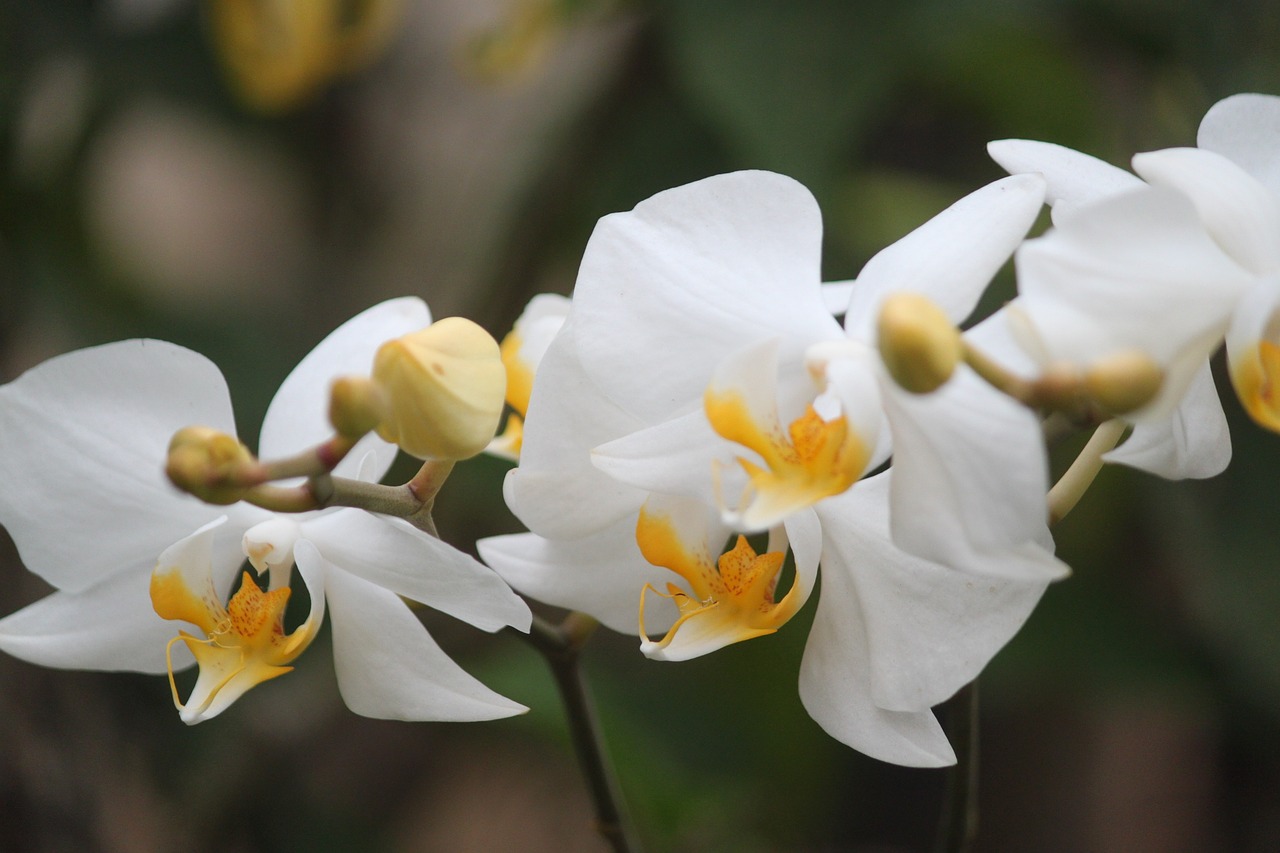


:strip_icc():format(webp)/kly-media-production/medias/3155800/original/070769500_1592454061-flower-1589157_1920.jpg)