Silakan atur halaman utama di Settings → Reading → Your homepage displays
dan pilih A static page, lalu pilih halaman dengan template Home.
Don’t Underestimate It! Here Are 13 Benefits of Betel Leaf You Need to Know
Betel leaf has long been known as a herbal plant often used to maintain health. This is due to the active compounds within the betel leaf, which possess antiseptic, antibacterial, and antioxidant properties.
Interestingly, the benefits of betel leaf are not only known from traditional medicine. As research develops, various studies have also begun to examine the compounds in this plant and have discovered its potential health benefits.
So, it is no wonder that betel leaf is being talked about again. So, what exactly are the compounds in betel leaf and their benefits for the body? Let’s discuss it further.
Getting to Know Betel Leaf (Piper betle)
Betel leaf (Piper betle) is a climbing plant that is quite easy to recognize by its distinctive leaf shape.
This plant grows widely in tropical regions, including Indonesia, and has long been used in various traditional medicine practices in Southeast Asia. Besides being easy to find, betel leaf is also known for having a fairly strong aroma and a slightly spicy taste.
In general, some of the main characteristics of betel leaf include:
Heart-shaped leaves with a pointed tip and a shiny surface
A distinctive, quite sharp aroma, especially when the leaves are crushed
Grows as a climbing plant, usually requiring a support to thrive
Widely found in tropical regions, including Indonesia, India, and other Southeast Asian countries
In Indonesian culture, betel leaf also holds strong traditional value. One example is the nyirih tradition, which involves chewing a mixture of betel leaf, lime, and areca nut, which was once quite common in various regions. Besides being part of tradition, this practice is also believed to help maintain oral hygiene.
From a scientific perspective, betel leaf is known to contain various bioactive compounds that play a role in providing health benefits. Some of the compounds most frequently found in betel leaf include:
Eugenol: a compound that has antiseptic properties and can help inhibit the growth of microorganisms
Chavicol: known to have quite strong antibacterial activity
Flavonoids: act as antioxidants that help protect body cells from damage
Tannins: possess astringent properties often associated with protective effects on body tissues
13 Benefits of Betel Leaf
Thanks to these contents, betel leaf is often used for various daily health needs, ranging from maintaining oral hygiene to helping alleviate several minor ailments. Here are some well-known benefits of betel leaf:
1. Treating Bad Breath
One of the most famous benefits of betel leaf is helping to treat bad breath. Its antibacterial content can help inhibit the growth of bacteria in the oral cavity, which is often the cause of unpleasant odors.
To utilize it, you can use boiled betel leaf water as a natural mouthwash. Rinsing regularly can help your mouth feel fresher while maintaining oral cavity hygiene.
2. Cleaning Intimate Areas
Boiled betel leaf water is also often used as a natural cleanser for feminine areas. Its antiseptic and antibacterial properties are believed to help maintain the cleanliness of sensitive areas.
However, it is important to use it wisely. If you want to use betel leaf for this purpose, it is best not to use it too often so that the natural pH balance of the feminine area is maintained.
Betel leaf is also often used as first aid for small wounds or abrasions. The tannin content in betel leaf can help accelerate the wound closure process.
In traditional use, you can crush the betel leaves first and then apply them to minor wounds. In addition to aiding the healing process, the antiseptic properties of betel leaf can also help reduce the risk of infection.
Drinking warm boiled betel leaf water is also often used as a natural way to help relieve coughs and discomfort in the throat. The anti-inflammatory compounds in betel leaf can help reduce inflammation in the throat passage.
To make it more pleasant to drink, you can add a little honey to the boiled betel leaf water. This combination not only improves the taste but can also help provide a soothing effect on the throat.
5. Helps Reduce Vaginal Discharge in Women
Vaginal discharge is a fairly common condition experienced by women. In some cases, this condition can cause discomfort, especially if accompanied by odor or itching. Traditionally, betel leaf (Piper betle) is often used to help maintain the hygiene of the intimate area.
You can boil a few betel leaves and use the boiled water to rinse the external intimate area. The natural antiseptic content in betel leaves is believed to help inhibit the growth of certain microorganisms.
However, its use should still be limited to ensure the natural pH balance and microbiota in the intimate area are maintained.
Some preliminary studies suggest that betel leaf (Piper betle) has the potential to help control blood sugar levels, especially in people with type 2 diabetes. This is attributed to the flavonoids and polyphenols contained in betel leaves.
These compounds are known to play a role in antioxidant activity and potentially help improve glucose metabolism in the body. However, this benefit still requires further research.
If you have diabetes, the use of betel leaf should not replace the medical treatment recommended by healthcare professionals.
7. Helps Treat Acne
Betel leaf is also quite often used as a natural ingredient to help treat acne. The antibacterial content in betel leaves can help inhibit the growth of bacteria often associated with the appearance of acne on the skin.
To try it, you can:
Crush a few betel leaves
Add a little water to form a paste
Apply it thinly to the acne-prone areas of the face
Regular use can help cleanse the skin and control excess oil production. However, if you have sensitive skin, it is best to perform a patch test on a small area of skin first.
8. Helps Relieve Skin Itching
If you experience skin itching due to mild irritation, rashes, or heat rash, betel leaf is also often used as a natural treatment. Its anti-inflammatory and antiseptic properties are believed to help soothe itching and reduce skin redness.
This method is quite popular in traditional medicine as it is considered to provide a soothing sensation to the skin.
Traditional methods often used include:
Boiling several betel leaves
Using the boiled water for bathing
Compressing the itchy area of the skin
9. Helps Reduce Fever
In traditional medicine practices, betel leaf is also frequently used to help reduce fever. Typically, betel leaf is used as a warm compress or applied to the body after being crushed.
You can try the following methods:
Compressing the body using warm water from boiled betel leaves
Applying crushed betel leaves to the forehead or chest
This method has long been known in home remedies. However, if the fever persists for a long time or is accompanied by other symptoms, medical examination remains an important step.
10. Helps Freshen Breath
Besides helping to treat bad breath, betel leaf is also known to provide a fresh sensation to the breath. In the tradition of *nyirih* (betel chewing), which was once quite common in various regions in Indonesia, betel leaves were often chewed with other ingredients such as areca nut and lime.
If you are not used to chewing betel leaves directly, there is a more practical way, which is by gargling with boiled betel leaf water. This method can help maintain oral hygiene while providing a fresh feeling to your breath.
11. Helps Improve Digestion
Image of a person holding their stomach in pain/Source: Pixabay
Betel leaf (Piper betle) is also often associated with benefits for supporting digestive system health. Traditionally, this plant is believed to help stimulate the production of saliva and digestive enzymes, making the process of breaking down food in the body more optimal.
Some people use boiled betel leaf water to help relieve minor digestive complaints, such as:
Bloating
Mual
Stomach discomfort
Mild constipation
If you want to try it, boiled betel leaf water is usually consumed in small amounts as an herbal remedy. However, its use should not be excessive and should not replace medical treatment if digestive complaints persist.
12. Helps Stop Nosebleeds
In traditional medicine, betel leaf is also known as a natural way to help stop nosebleeds. This benefit is usually attributed to the tannin content in betel leaves, which has astringent properties, helping to constrict tissues and accelerate the blood clotting process.
The traditional method often used is quite simple. You can:
Wash one betel leaf thoroughly
Roll it up gently
Insert it carefully into the nostril experiencing the nosebleed
This method has long been known in the community as a first-aid measure. However, if nosebleeds occur repeatedly or last for a long time, a medical examination is still necessary to determine the cause.
Body odor usually arises due to bacterial activity on the skin that breaks down sweat. Betel leaf (Piper betle) has natural antibacterial properties that can help inhibit the growth of these bacteria.
To utilize it, you can try several simple methods, such as:
Drinking boiled betel leaf water in limited amounts
Using the boiled water for bathing
Rinsing specific areas of the body that sweat easily
Betel Leaf, a Traditional Herb That Remains Relevant Today
Betel leaf (Piper betle) is a herbal plant that has long been used in traditional medicine. The various active compounds it contains make this plant frequently used to help maintain bodily hygiene, alleviate several minor ailments, and support general health.
With proper and moderate use, you can utilize this herbal plant as part of your daily natural health care.
For those of you interested in natural-based health approaches, betel leaf can be an interesting herbal option to learn more about!
Featured image: Image of a pile of fresh betel leaves in several woven baskets/Source: Pexels
Agroforestry: An Environmentally Friendly Farming System in the Heart of the Forest
Have you ever thought that forests and agriculture could actually grow side-by-side without destroying each other?
For a long time, the expansion of agricultural land has often been considered one of the causes of forest cover loss. However, there is an approach that actually integrates both into a mutually supportive system, namely agroforestry (wanatani). In practice, trees, agricultural crops, and the surrounding environment are managed together in a single landscape that remains productive while maintaining ecosystem balance.
So, how does the agroforestry concept actually work, and why is this practice increasingly being cited as a solution to keep forests sustainable without sacrificing human needs? Let’s explore further!
What Is Agroforestry?
The Indonesian term wanatani comes from the combination of the words wana, meaning forest, and tani, meaning agriculture.
Simply put, this term refers to a land management system that combines trees with agricultural crops, and sometimes even livestock, within a single area managed in an integrated manner.
In his book An Introduction to Agroforestry, P.K.R. Nair explains that agroforestry is a land-use system that integrates forestry and agricultural components into a single management unit. Its goal is to maintain ecosystem balance in the long term.
In practice, agroforestry systems usually involve several main components, such as:
Forest trees that help maintain soil fertility and provide natural shade
Agricultural crops that serve as a source of food and income for the community
Additional components such as livestock, which in some systems are utilized to increase land efficiency
Forms of Agroforestry
Agroforestry, an agricultural system in the forest/Source: Green Network Asia
Agroforestry systems do not have just one pattern. Their practice can vary depending on land conditions, climate, and the needs of the communities managing them.
In agroforestry studies, there are at least several main forms that are often applied to combine food production with ecosystem sustainability.
Here are some commonly known agroforestry systems:
1. Agrisilviculture
The agrisilviculture system combines forestry trees with agricultural crops on the same land. Agricultural crops are usually annual plants that can be harvested in a relatively short time.
This pattern is widely applied because it is relatively simple and easy for farmers to adapt. In addition to maintaining agricultural yields, the presence of trees also helps maintain soil fertility and reduces the risk of erosion.
Examples of its application include:
Corn planted between sengon trees
Coffee cultivated under the shade of canopy trees
Upland rice or soybeans planted alongside timber trees
2. Silvopasture
Unlike the previous system, silvopasture combines trees with livestock activities. In this system, livestock are grazed in areas that are also planted with specific trees.
Silvopasture practices are generally suitable for regions with grasslands, savannas, or hills that allow for natural livestock grazing.
Some benefits of this system include:
Natural shade for livestock, resulting in a cooler environmental temperature
Additional feed sources, such as leaves or forage crops
More efficient land use, as one area can support more than one production activity
3. Agrosilvopasture
Agrosilvopasture is the most complete form of agroforestry because it combines three components simultaneously within a single land management system, namely:
Forestry trees
Agricultural crops
Livestock
In this system, a single landscape can produce various products simultaneously, ranging from agricultural yields and forestry commodities to livestock products. Although its management is more complex, this approach is considered highly efficient as it maximizes land utilization.
Furthermore, the agrosilvopasture system also provides income source diversification for the community. If one commodity experiences a decline in yield, other components within the system can still support the land manager’s economy.
The Taungya system is a method of planting forestry trees alongside seasonal agricultural crops during the initial stages of land management. In this system, agricultural crops are usually harvested first, while the forestry trees are left to continue growing until they reach a larger size.
The Taungya method is often used in forest rehabilitation programs or the reforestation of production forest areas.
This pattern provides two advantages simultaneously, namely:
Utilizing empty space during the early growth of trees
Providing short-term yields for farmers before the trees fully develop
5. Mixed Garden
One of the most common forms of agroforestry found in Indonesia is the mixed garden. This system plants various types of crops on a single plot of land, forming a vegetation structure that resembles a natural forest.
This diversity of plants creates a kind of mini-ecosystem that is more stable. In addition to producing various types of harvests, this system also helps maintain soil fertility and increases biodiversity at the landscape level.
In a mixed garden, there is usually a combination of:
Fruit trees such as durian or mango
Food crops or spices
Timber trees or other economically valuable plants
6. Homegarden Agroforestry
Someone is gardening
This form of agroforestry is widely found in rural areas of Indonesia. The homegarden system utilizes the area around a house to plant various types of crops that are useful for daily needs.
Besides being environmentally friendly, this system also helps strengthen family food security by providing various food sources directly from the home garden.
Some components usually found in this system include:
Fruit trees, such as bananas or papayas
Vegetables and food crops
Family medicinal plants (TOGA)
Small-scale livestock such as chickens or ducks
7. Alley Cropping System
In the alley cropping system, agricultural crops are planted between rows of trees arranged in parallel. These trees are usually selected from species that can improve soil quality or provide sufficient shade.
With proper management, alley cropping systems can create a balance between agricultural production and the ecological functions typically provided by forest areas.
Some of the main benefits of this system include:
Reducing soil erosion, especially on sloping land
Improving soil fertility through leaf litter
Maintaining agricultural productivity without removing trees from the landscape
The Benefits of Agroforestry in Realizing Sustainable Agriculture
Here are several benefits of agroforestry that make this system considered one of the approaches to sustainable agriculture:
1. Helping to Maintain Forest Cover
In agroforestry systems, trees remain an important part of the agricultural landscape. This means the land still retains vegetation cover that helps maintain its ecological functions.
Reports from the Food and Agriculture Organization (FAO) also show that agroforestry practices can help reduce pressure on forests in various regions that depend on forest resources.
Some of the positive impacts include:
helping to reduce the pressure of forest clearing,
maintaining soil structure and fertility,
as well as suppressing the risk of land degradation.
2. More Productive Land
Unlike monoculture systems that only plant one commodity, agroforestry combines several types of plants in one area. As a result, the land can produce a more diverse harvest.
In addition to increasing harvest variety, this combination of plants also helps maintain soil fertility because each plant has a different ecological function.
For example, one agroforestry system can contain:
food crops,
plantation commodities such as coffee or cacao,
as well as fruit trees or economically valuable timber plants.
3. Helping to Maintain the Water Cycle
Trees in agroforestry systems play a major role in maintaining the water balance in the soil. Tree roots help increase the soil’s ability to absorb rainwater, so water does not simply run off the surface.
The impact is quite significant, such as:
helping to reduce erosion,
maintaining groundwater availability,
as well as reducing the risk of floods and droughts in some regions.
4. More Diverse Sources of Income
Because it consists of many types of plants, agroforestry provides opportunities to harvest various commodities. Thus, the community does not rely solely on one product.
This diversification helps reduce the risk of loss if one commodity fails to harvest or market prices drop. For example, in a single plot of land, one can obtain:
food crop yields,
harvests of fruit or plantation commodities,
as well as yields from timber trees or other economically valuable plants.
5. Supporting Biodiversity
Agroforestry landscapes usually have a more diverse vegetation structure compared to monoculture farmland. This condition makes the environment friendlier to various types of plants and wildlife.
Therefore, agroforestry is often considered a community-based conservation approach. This system allows land to remain utilized for production while still providing living space for various species within the ecosystem.
Examples of Agroforestry in Indonesia
Someone picking tea leaves
Agroforestry practices are actually nothing new in Indonesia. In many regions, indigenous and local communities have long managed land by combining trees, food crops, and other commodities within a single landscape.
According to the Ministry of Environment and Forestry (KLHK), Indonesia has vast potential for the development of agroforestry systems as part of a sustainable forest management strategy, while simultaneously supporting food security and climate change mitigation.
Some examples of well-known agroforestry practices in Indonesia include:
1. Repong Damar Krui in Lampung
One famous example of traditional agroforestry is the *repong damar* in the Krui region, Lampung. This system centers on the damar tree (Shorea javanica), which is managed by the community as a source of damar resin.
Under the damar canopy, the community also typically plants various other crops, such as coffee, pepper, and various fruit plants.
The structure of these gardens forms a multistrata agroforestry landscape, a system with several layers of vegetation that resemble the structure of a natural forest. In addition to providing a sustainable source of income for the community, *repong damar* also helps maintain forest cover and biodiversity in the region.
2. Talun Gardens in West Java
In West Java, the community is familiar with the *talun* or *kebun talun* system, which is a form of mixed garden that combines various types of plants on a single plot of land.
This plant diversity makes the land more productive while helping to maintain soil fertility. Its vegetation structure also resembles a secondary forest rich in various types of plants.
Some plants commonly found in this system include:
fruit trees such as durian, rambutan, and mango,
food crops such as cassava or banana,
as well as various timber and spice plants.
3. Community Forests in Yogyakarta
In the Special Region of Yogyakarta, many farmers develop community forests by combining timber trees and food crops on the same land.
A fairly common example is:
teak trees as the primary timber commodity,
which are planted alongside secondary crops such as corn or peanuts.
This system allows farmers to obtain yields on two time scales: short-term harvests from food crops, and long-term economic value from timber trees.
4. Rubber–Rice Agroforestry in Jambi
In several regions of Jambi, communities also implement agroforestry systems that combine rubber trees with food crops such as upland rice.
Within a single landscape, farmers can harvest rubber latex, plant rice for food needs, and add other local food crops or spices.
This approach helps maintain plant diversity on the land while preserving land management practices that have long developed within the local community’s culture.
Agroforestry (wanatani) shows that agriculture and forests do not have to be mutually exclusive. By integrating trees, food crops, and other commodities into a single landscape, the land remains productive while maintaining ecological functions such as soil fertility, water availability, and habitat for various wildlife.
In Indonesia, this practice has long been implemented through various traditional land management systems. This means that agroforestry is not just a new concept, but also part of local wisdom proven capable of maintaining the balance between production and conservation.
The more agroforestry practices are implemented, the greater our opportunity to keep forests sustainable without halting agricultural activities. In short, farming continues, and the forest remains safe!
Featured image: Farmers in Indonesia farming / Source: KRT News
References:
Wanatani (Agroforestry) – Forest and Agriculture-Based Land Management Concept. [Open]
Agroforestry Systems and Their Application in Land Management – Jurnal Agrikultura (Universitas Flores). [Open]
An Introduction to Agroforestry – World Agroforestry Centre. [Open]
Janda Bolong: A Unique Plant That Makes Your Home More Beautiful and Aesthetic
This ornamental plant once caused quite a stir in the plant world. Yep, the Swiss Cheese Plant!
Behind its beautiful appearance, the Swiss Cheese Plant also has an interesting story. From the origins of its curious name to the plant’s characteristics, which turn out to be quite easy to care for.
At a glance, it might look like a fragile plant, but in reality, Monstera adansonii is quite hardy and adapts well. With proper care, this plant can be a home decoration that makes the atmosphere feel fresher. Let’s get to know this hit plant a little better!
The Origin of the Name “Janda Bolong”
If you’re hearing it for the first time, the name “janda bolong” (literally “holed widow”) does sound unique, even a bit eccentric.
This nickname arose from the shape of its leaves, which have natural holes, as if the leaves were torn. In Indonesia, people began calling this plant “janda bolong” because the appearance of the leaves looks incomplete, but that is precisely where its uniqueness lies.
This name is not a scientific term, but rather a popular moniker that emerged from the simple observations of ornamental plant enthusiasts.
Although it sounds informal, the name stuck quickly and eventually became widely known among the public. Even when the ornamental plant trend surged a few years ago, the term “janda bolong” became very popular and is often used to refer to various types of plants from the Monstera genus that have perforated leaves.
Getting to Know Monstera adansonii, the Scientific Name of the Swiss Cheese Plant
In the botanical world, this plant is known by the scientific name Monstera adansonii. The name has its own meaning and history:
The genus Monstera comes from Latin, meaning “strange” or “unusual,” referring to the shape of its leaves which have natural holes.
The species adansonii is named after Michel Adanson, an 18th-century French botanist who made significant contributions to plant research and classification.
This plant was first scientifically described in the 18th century after European explorers discovered it in the tropical rainforests of Central and South America. Its natural distribution covers several tropical regions, such as:
Mexico
Panama
Brazil
various tropical forest regions in Central and South America
In its natural habitat, Monstera adansonii grows by climbing large trees to reach sunlight beneath the dense forest canopy. This plant is also an epiphyte, meaning it is a plant that can attach itself to other plants without taking nutrients from its host.
Due to its exotic and easily recognizable leaf shape, Monstera adansonii was subsequently widely cultivated as an ornamental plant and became increasingly popular in various countries.
The Popularity of Janda Bolong in Indonesia
Janda bolong plant
The trend of janda bolong in Indonesia began to surge sharply during the COVID-19 pandemic. As many people spent more time at home, caring for ornamental plants became a popular new hobby.
Of the many popular plants, Monstera adansonii was among the most sought-after due to its unique and easily recognizable leaf shape.
High public interest caused the price of this plant to skyrocket in the market. Some types were even sold at fantastic prices, especially rarer variants like the Monstera adansonii variegata. Many plant collectors were willing to spend large amounts of money just to get a single pot of the plant with a unique leaf pattern.
This phenomenon did not only occur in Indonesia. The trend of plants from the Monstera genus also increased in various countries, including the United States and several European countries. There are several factors that contributed to the popularity of this plant, including:
Increased interest in gardening during the pandemic, when many people were looking for relaxing activities at home.
Aesthetic and photogenic leaf shape, making it frequently used as an interior decoration element.
The influence of social media, especially platforms like Instagram and Pinterest, where plant collectors share photos and tips on caring for Monstera adansonii.
Scientific Classification of Janda Bolong (Monstera adansonii)
In the botanical world, Monstera adansonii belongs to a group of tropical plants from the Araceae family, also known as the aroid family. This family includes many plants with unique leaf shapes and the ability to adapt to humid environments.
Here is a brief scientific classification of Monstera adansonii:
Kingdom: Plantae – A large group that includes all green plants capable of photosynthesis. Organisms in this kingdom use chlorophyll to convert solar energy into the chemical energy required for growth.
Division: Angiospermae – A group of flowering plants that have seeds enclosed within a fruit. Angiosperms are the most diverse group of plants on Earth and include most of the plants known to humans, including various food crops, ornamental plants, and trees.
Class: Monocotyledon – Plants that have one seed leaf (cotyledon) at the early stage of their growth. This group typically has characteristics such as parallel leaf veins, a fibrous root system, and a stem growth pattern that differs from dicotyledonous plants.
Order: Alismatales – An order of plants that mostly live in moist or aquatic environments, although some members also grow in terrestrial tropical forests. Many plants in this group have the ability to adapt to wet and shaded environmental conditions.
Family: Araceae – Known as the arum family, this family includes thousands of tropical plant species characterized by a spike-shaped inflorescence called a spadix, which is usually protected by a leaf-like bract called a spathe. Many members of this family are popular as ornamental plants due to their decorative leaf shapes.
Genus: Monstera – A group of tropical climbing plants famous for their large leaves that have natural slits or holes. Plants from this genus generally grow in the tropical forests of the Americas and often climb trees to reach sunlight.
Species: Monstera adansonii – A species known for its distinctive perforated leaves and a relatively smaller size compared to Monstera deliciosa. This plant has climbing abilities and often grows as an epiphyte in its natural habitat, attaching to tree trunks without taking nutrients from its host.
The Araceae family itself is one of the largest groups of flowering plants, with more than 3,000 species spread across various tropical regions of the world.
Many plants from this family are known as popular ornamental plants due to their decorative leaf shapes and their ability to grow well in humid environments.
Popular Types of Janda Bolong (Swiss Cheese Plant)
Janda bolong plant
Although often referred to by a single name, the janda bolong actually consists of several different types. Some are still within the Monstera genus, but they have leaf shapes, hole sizes, and growth patterns that are not always the same. These differences are what make some types rarer and highly sought after by ornamental plant collectors.
Here are some types of janda bolong that are quite well-known among plant enthusiasts:
1. Monstera adansonii variegata
The Monstera adansonii variegata variant is one of the most sought-after by ornamental plant collectors. Its main appeal lies in its unusual leaf color patterns.
Some of its distinctive features include:
leaves have a combination of green with white or cream patches
the variegated pattern occurs due to genetic mutations that reduce chlorophyll content in parts of the leaf tissue
holes in the leaves are usually smaller and appear neat
Because the white parts of the leaves lack chlorophyll, this plant tends to be more sensitive to direct sunlight. Therefore, Monstera adansonii variegata should be placed in a bright area that is not exposed to direct sunlight.
The uniqueness of its color pattern gives this plant a fairly high market value in the ornamental plant trade.
2. Monstera obliqua
Monstera obliqua is often considered one of the rarest types of janda bolong in the ornamental plant world. This plant is famous for its very thin leaf structure with very large holes.
The main characteristics of Monstera obliqua include:
leaves are very thin and fragile
the size of the holes in the leaves can cover most of the leaf surface
the leaf structure appears more “hollow” compared to other Monstera types
Because of their similar appearance, this plant is often confused with Monstera adansonii. In reality, Monstera obliqua is much rarer and usually requires more stable environmental conditions to grow well.
In its natural habitat, this plant grows as a vine on large trees in humid tropical forests. If cultivated at home, it is important to maintain high humidity, indirect lighting, and a growing medium with good air circulation.
3. Monstera friedrichsthalii
Monstera friedrichsthalii is often considered a variation of Monstera adansonii due to their quite similar appearance. However, this species has several characteristics that distinguish it.
Its main features include:
leaves that are longer and more elongated in shape
the hole pattern on the leaves is more regular and neatly arranged
its growth tends to be vining like other tropical plants
This species is quite popular because its care is relatively easier compared to some other rare variants. This plant is also more tolerant of changing environmental conditions, making it suitable for beginners who are just starting to care for ornamental plants.
Even so, basic care such as regular watering, sufficient lighting, and periodic fertilization is still necessary to keep the leaves healthy and prevent them from yellowing.
4. Monstera epipremnoides
The next species is Monstera epipremnoides, which is known for having larger leaves compared to some other types of Janda Bolong.
Some prominent characteristics of this plant include:
leaves that are wider and thicker
the holes on the leaves appear more symmetrical and regular
the leaf shape at a glance resembles Monstera deliciosa, but with a greater number of holes
This plant can grow quickly if it receives suitable environmental conditions. Usually, Monstera epipremnoides will vine better if provided with a support such as a moss pole or a wooden stake.
Because its growth is quite active, periodic pruning is also necessary to keep the plant’s shape neat and prevent it from spreading too much.
Benefits of Janda Bolong (Monstera adansonii)
Janda bolong plant
Here are some benefits that can be gained from the Janda Bolong plant:
Helps freshen indoor air: Like green plants in general, Monstera adansonii performs photosynthesis, which produces oxygen. The presence of plants indoors can help keep the air feeling fresh.
Creating a more calming atmosphere: The presence of green plants is often associated with positive psychological effects. Looking at green leaves can help relieve stress, improve mood, and provide a sense of calm after daily activities.
Helping to maintain air humidity: Plants release water vapor through the process of transpiration. This process can help increase the humidity of the surrounding air, especially in air-conditioned rooms that tend to be dry.
Helping to reduce indoor dust: The sufficiently wide leaf surface allows this plant to capture dust particles floating in the air. If the leaves are cleaned regularly, the plant can help maintain the cleanliness of the surrounding air.
Beautifying home interior decor: The perforated leaves of Monstera adansonii provide a unique tropical impression. This plant is often used as a natural decorative element in modern interior design because of its artistic shape and ease of integration with various room concepts.
Providing a natural feel indoors: The presence of ornamental plants can make a home atmosphere feel more vibrant and less monotonous. Tropical plants like Monstera adansonii are often used to bring a natural feel to living rooms, workspaces, and even bedrooms.
Becoming a relaxing hobby: Caring for plants can be an enjoyable yet calming activity. Many people make plant care a way to fill their spare time and reduce boredom.
Potentially increasing productivity: Some studies show that the presence of plants in a workspace can help improve focus and comfort while working or studying.
Becoming a high-value collector’s plant: Some Monstera varieties, especially those with variegated patterns or unique leaf shapes, are often sought after by ornamental plant collectors. Certain types even have a high market value due to their rarity.
How to Care for Janda Bolong (Monstera adansonii)
The Monstera adansonii plant is known to be quite adaptive as long as it receives an environment suitable for the characteristics of tropical plants. With proper care, its leaves can grow lush and retain the signature holes that are its main attraction.
Here are some important things to consider when caring for this plant:
Sufficient but indirect lighting:Monstera adansonii prefers bright, indirect light. This plant is suitable for placement near a window with sheer curtains or in a room that receives adequate natural light. Prolonged exposure to direct sunlight can cause the leaves to yellow or burn.
Regular watering: Watering is usually sufficient when done about 2–3 times a week, depending on environmental conditions. Ensure the growing medium is not too wet, as excessive moisture can cause root rot. A simple method often used is to water when the top of the growing medium begins to feel dry.
Growing medium with good drainage: This plant requires a loose growing medium that is capable of draining water well. A mixture of soil, burnt rice husks, cocopeat, or perlite is often used so that the roots receive enough air and do not easily become waterlogged.
Periodic fertilization: To support the growth of new leaves, this plant can be fertilized regularly. Liquid organic fertilizer, foliar fertilizer, or a mild dose of NPK fertilizer is usually applied about once every two weeks during the growth period.
Pruning to maintain plant shape: Damaged, yellowing, or wilted leaves should be pruned to keep the plant healthy. Pruning also helps keep the plant’s shape neat and stimulates the growth of new shoots.
Using a support or climbing pole: In its natural habitat, Monstera adansonii is a vine that climbs tree trunks. When grown at home, this plant will grow better if provided with a support such as a moss pole or wooden stake to help guide its growth.
Maintaining environmental humidity: This tropical plant loves fairly humid air. If the air is too dry, especially in air-conditioned rooms, the leaves can occasionally be misted with water to help maintain the surrounding humidity.
Controlling plant pests and diseases: Some pests that often appear on ornamental plants are mealybugs, mites, or fungi. Regular leaf inspections are important so that pest infestations can be handled immediately before they spread to other parts of the plant.
With its unique perforated leaves, the janda bolong (Monstera adansonii) truly possesses a charm that is hard to overlook. This plant is not only beautiful as home decor, but it is also quite easy to care for, making it suitable for both beginners and ornamental plant collectors.
From the origin of its name and its diverse varieties to its uncomplicated care routine, everything makes the janda bolong remain an attractive plant to keep. If you want to bring a unique and fresh touch of green into your home, this plant could be the perfect choice!
Are All Slow Lorises Shy? This Mirror Experiment Answers It!
The Power of Mama: Mothers as the Frontline Guardians of the Forest
When most people began to relax at home, a group of mothers on the outskirts of Ketapang village was preparing to go around the village. Not for grocery shopping or huddling, but for patrolling. In fiery red clothes and in high spirits, they walked down the path, examining fire-prone spots.
Ketapang is an area where the majority of the population work as farmers and ranchers. The main commodity in the region is oil palm, due to its suitable climate and the ability of this crop to be harvested throughout the year.
Meanwhile, rice grown in Ketapang is generally a type of sendua rice or annual rice, which can only be harvested twice a year. This is in contrast to the Java region, where rice can be harvested up to three or four times a year. This difference is caused by low rainfall around Ketapang, which has an impact on the availability of water for agriculture.
The Power of Mama during fire extinguishing (TPoM Team | YIARI)
Most of the land in Ketapang is peatland, which is moist soil formed from piles of plant remains that have not been completely destroyed. When the dry season comes, this type of soil becomes very dry and flammable. Coupled with strong winds, fires can spread quickly. Even a carelessly thrown cigarette butt can be a trigger for a fire.
Every dry season, fires can occur 1-2 times a year, bringing major impacts such as on land yields, air pollution, and citizen health. Seeing this threat repeated, mothers in some villages decided not to remain silent. They formed The Power of Mama (TPOM), a group of resilient mothers who regularly monitor fire hotspots and actively educate residents about early prevention of forest fires.
Starting with the initiation of Mrs. Siti and Mrs. Maimun, in Sukamaju Village and Pematang Gadung Village. Currently, TPOM has been present in eight villages: Pematang Gadung, Sungai Besar, Suka Maju, Sungai Awan Kiri, Tanjung Pura, Ulak Medang, Kuala Tolak, and Sungai Putri. Every day, from 10 a.m. to 3 p.m., they patrol along fire risk points.
Socialization of forest and land fires to the surrounding community ( Tpom |YIARI team )
In addition to routine patrols, TPOM also actively socializes directly to residents about the dangers of indiscriminate land burning and the importance of preserving the environment. They do not necessarily prohibit the activity of burning land, but emphasize education about safe burning—such as creating water ditches as a barrier so that the fire does not spread, providing extinguishers on site, and ensuring that the burning process when clearing land is supervised by related parties. This approach is TPOM’s way of bridging local customs with fire prevention efforts, encouraging residents to be more careful and responsible in managing their land.
The presence of TPOM brings real changes in the surrounding environment. Cases of fires that used to occur frequently are now significantly reduced, and citizens are increasingly aware of the importance of early prevention. However, the patrol terrain that these mothers have to go through is far from easy. Rocky roads, remote locations, to hot weather become daily challenges that cannot be considered trivial.
Tpom trip to patrol location (Ucil | YIARI)
One of the funny but memorable stories came from Mrs. Daniar when she was patrolling with Mrs. Waskia. He recalled one incident: ‘we were on patrol and saw a fire. I panicked, so focused on the fire that I didn’t realize there was a palm trunk in front. Because I was too focused on the fire, I even crashed into the palm tree! I fell, but instead of getting sick, I laughed at myself. Then it immediately rose again, continue to serve.” The story became a picture of the tireless spirit as well as the warm side of their struggle. Because behind the hard work and the risks they face, there is laughter, friendship and the strength that grows from being together.
Many TPOM members initially did not have technical skills. But through various trainings such as fire fighting, the use of drones, the manufacture of organic fertilizers, public communication, and the use of social media and photography, they continue to learn and develop. TPOM proves that women are also able to be environmentalists, firefighters, as well as drivers of change in their communities.
TPoM during SMART training ( Heribertus Suciadi | YIARI )
The impact of the existence of TPOM is very visible. Residents began to switch to more environmentally friendly methods of clearing land, such as the use of herbicides. TPOM not only extinguishes the fire, but also ignites the awareness of protecting nature.
Their stories are also not always serious. When the patrol coincides with the harvest season, the mothers often get fresh fruit souvenirs from the residents. In between small talk, they slip socialization about the dangers of forest fires, urge not to burn land, explain the risks, and introduce safer ways. Patrol is also a moment to learn, build familiarity, and strengthen their role in the community.
On the anniversary of TPOM, on June 16, 2025, a total of 118 women from eight villages gathered at the yiari (IAR Indonesia Foundation) office, Ketapang. This event is a moment to celebrate three years of their journey, ranging from hard work, togetherness, to real contributions in protecting the environment.
The third anniversary celebration of The Power of Mama (Muffidz Masum | YIARI)
The Power of Mama is not just a name, but a symbol of the strength of village women who dare to guard the Earth for future generations. From the corners of Ketapang, they prove that big changes can start from small steps and sincere spirit.
Auhtor : Theoni Damaris Foedianto
Featured Image: The Power of Mama during fire extinguishing (TPoM Team | YIARI)
Clouded leopard and its distribution in Indonesia: features, characteristics and 9 Interesting Facts
When it comes to animals that can climb and hang on trees, what is the first animal that comes into your head? Perhaps, your mind will immediately go to monkeys or squirrels that are already clearly reliable in terms of climbing climbing.
However, more than monkeys and squirrels, there are other animals that are no less adept at moving from tree to tree in a short time.
The animal is a clouded leopard (Neofelis), a medium-sized cat that spends a lot of time on trees.
Clouded leopards are a unique and interesting cat species. They have very long and sharp canines. This makes them similar to the extinct ancient Big Cat, the saber-tooth tiger(Smilodon populator).
Although not as large as Sumatran tigers or Javan Leopards, clouded leopards are predators feared by most land mammals, such as monkeys, deer, pigs, and other small mammals. They hunt in ambush, then carry their prey up trees to enjoy until nothing remains.
Want to know more details about clouded leopards? Come on, check out the full explanation below!
Getting To Know Clouded Leopard
Clouded leopard is a medium-sized wild cat species known for its skill in climbing and hanging from trees. This animal still belongs to the Felidae family, so it is closely related to tigers, lions, leopards, as well as domestic cats.
Like other cats, clouded leopards have sharp canines and claws. However, what distinguishes it is the amazing ability to climb trees—one of the best among the cat family.
Quoting from Khao Sok National Park, Thailand, clouded leopards are known as the best tree climbers among all cat species. They are able to climb with their body upside down, as well as hang using their hind legs. In fact, they can get down from trees headfirst, a technique rarely found in other wild cats.
Because it relies heavily on trees, the clouded leopard’s favorite habitat is dense, evergreen tropical rainforests. However, they can also be found in many other types of habitats such as dry forests, swamps, grasslands, and scrub.
As carnivorous animals, clouded leopards hunt a wide variety of mammals, ranging from small to large, such as squirrels, mice, hedgehogs, monkeys, deer, wild boars, as well as various types of birds.
Types of clouded leopards
Taxonomically, clouded leopards are divided into two main species, namely:
Continental clouded leopards are widespread in mainland Asia, including Bhutan, Nepal, Bangladesh, Myanmar, India, China, to Peninsular Malaysia. This species has a cloud-shaped pattern all over its body, with a larger size than the Sunda clouded leopard.
2. Sunda clouded leopard (Neofelis diardi)
Sunda clouded leopards live in the territory of the Sunda Islands, such as the islands of Sumatra and Kalimantan. The cloud pattern on the body is smaller, with the coat color tending to be more gray. Based on the distribution, the Sundanese clouded leopard is subdivided into two subspecies:
a. Sumatran clouded leopard (Neofelis diardi sumatraensis)
This subspecies lives on the island of Sumatra and the Batu Islands. They have a very arboreal nature, which means that they are more often on trees and rarely go down to the ground. This is due to the presence of Sumatran tigers that dominate land areas and can be a threat.
b. Macan dahan Kalimantan (Neofelis diardi borneensis)
Unlike its relatives in Sumatra, The Borneo clouded leopard lives without the presence of other big cats as competitors. Therefore, they often descend to the ground and become apex predators in their habitat. Their presence is very important in maintaining the balance of Kalimantan’s forest ecosystem.
Characteristics and characteristics of clouded leopards
Clouded leopards have a number of distinctive features that distinguish them from other cat species, both large cats and domestic cats. In addition to being known as an excellent tree climber, one of the main peculiarities of clouded leopards is their long and sharp canines, which are not shared by other modern cats today.
Here are the typical physical and behavioral characteristics of clouded leopards:
The color of the plumage varies from gray-brown, pale yellow, to dark brown.
It has a pattern of black patches shaped like clouds all over its body—a distinctive feature that is the origin of the name “clouded leopard” in English.
The canines are very long and strong, proportional to the jaws.
The tail is long and thick, serves as a counterweight when moving on trees.
Short legs with large and strong claws, perfectly support the ability to climb.
Vision is very sharp, favoring hunting activity, especially at night.
It is arboreal, that is, it spends most of its time in trees.
Nocturnal, actively hunting and moving at night.
The body size is medium, with a body length of about 90 cm, not counting the tail.
Has a solitary nature, lives alone except during the breeding season or caring for children.
Polygamous, that is, changing partners when the mating season comes.
Does not have a fixed breeding season; breeds all year round.
The body weight of males can reach 23 kilograms.
The body weight of females ranges from 11 to 21 kilograms.
In comparison, clouded leopards are about four times smaller than Sumatran tigers, but five times larger than domestic cats. Despite its not very large body, the clouded leopard remains a formidable predator and dominates its territory, especially in dense tropical forest ecosystems.
9 Interesting Facts Clouded Leopard
Ilustrasi macan dahan (pixabay.com/piviso)
Known as one of the best climbers among all types of cats, the clouded leopard has a number of interesting facts that make it even more unique. Here are some interesting facts about clouded leopards:
1. Can not Roar and snore
Menurut Smithsonian’s National Zoo & Conservation Biology Institute, macan dahan tidak dapat mengaum seperti harimau atau singa. This is due to the different structure of the larynx and hyoid bones, which are not as flexible as in other large cats.
In addition, they also cannot purr in full, in contrast to domestic cats.
2. Communicate with growls, hisses and sniffs
Unable to make roars or purrs, clouded leopards communicate with growls, hisses, hissing sounds, to sniffs. This form of communication is used to mark territory, attract the attention of a partner, or signal when feeling threatened.
3. Shorter Life Expectancy Than Lions
In the wild, clouded leopards have an average life expectancy of about 12-15 years. However, if treated in captivity or controlled environments, their lifespan can reach 17 years.
This figure is classified as shorter than lions, which can live up to 16 years in the wild and even 20 years in captivity.
4. Can prey on animals larger than its body
Although its body is not as large as that of other predators such as tigers, clouded leopards are capable of preying on animals larger than it. Their prey can include Gibbons, Wild Boars, as well as medium to large primates and mammals, thanks to effective ambush techniques and incredible bite force.
5. Sexually mature at about two years of age
Clouded leopards reach sexual maturity when they are about two years old. At this age, they are already ready for breeding, with an unlimited breeding season at a certain time of the year.
6. The breeding peak occurs between December and March
Although in general clouded leopards can breed at any time of the year, in an environment of captivity or human care, the majority of the breeding process has been recorded to occur from December to March.
This is most likely influenced by environmental factors and activity patterns that are more stable under controlled conditions.
7. The female can give birth to 1 to 5 Cubs
When entering the reproductive period, the female clouded leopard is able to give birth to between one and five cubs in one pregnancy. Clouded leopard cubs will be cared for and cared for by their mother independently until they are strong enough to live alone in nature.
8. Able To Open The Mouth Up To 100 Degrees
One of the peculiarities of the anatomy of a clouded leopard lies in the ability to open the mouth very wide, that is, up to 100 degrees. In comparison, Lions can only open their mouths at about 65 degrees. This ability favors the effectiveness of the clouded leopard bite when capturing and immobilizing its prey.
9. Similar to the ancient Saber Tooth Tiger
Clouded leopards have long, strong, curved canines, which resemble the ancient saber-tooth tiger (Smilodon populator). Although not as large as the extinct Smilodon millions of years ago, this similarity in tooth structure suggests that clouded leopards inherited the characteristics of formidable ancient predators.
The Conservation Status Of Leopards
Macan dahan saat ini dikategorikan sebagai spesies yang rentan terhadap kepunahan oleh International Union for Conservation of Nature (IUCN). The two main species of clouded leopard—the continental clouded leopard (Neofelis nebulosa) and the Sunda clouded leopard (Neofelis diardi)—each have alarming statuses.
Neofelis nebulosa (macan dahan benua) terdaftar dalam status Vulnerable (Rentan) menurut IUCN Red List.
Neofelis diardi (Sunda clouded leopard) is included in the Vulnerable category, but some subpopulations are considered to have a higher risk locally.
In addition, clouded leopards have also been legally protected in many Asian countries, including Indonesia, Malaysia, and Thailand.
In Indonesia, the Sunda clouded leopard is listed in Appendix I of CITES (Convention on International Trade in Endangered Species), which means that any form of international trade in this species is prohibited except for scientific conservation purposes.
Cover
Clouded leopards are not just wild cats that climb trees. It is a symbol of the unique and rich biodiversity of the tropical forests of Southeast Asia. With outstanding physical characteristics, distinctive behaviors, and an important role as a predator in the ecosystem, the presence of clouded leopards is vital to the balance of nature.
Unfortunately, various threats continue to lurk for his survival. Therefore, it takes awareness and real action from all parties—from governments, conservation agencies, to the general public—to protect this species from extinction.
Let’s take care of the forest and all the creatures that depend on it, including this amazing clouded leopard!
Featured image:Ilustrasi macan dahan (pixabay.com/dannynic)
Air pollution: definition, impact and how to reduce it
Every second, you breathe in the air around you without really thinking about what it contains.
However, have you ever imagined if the air that looks clean turns out to contain harmful substances that are not visible? This is what is known as air pollution.
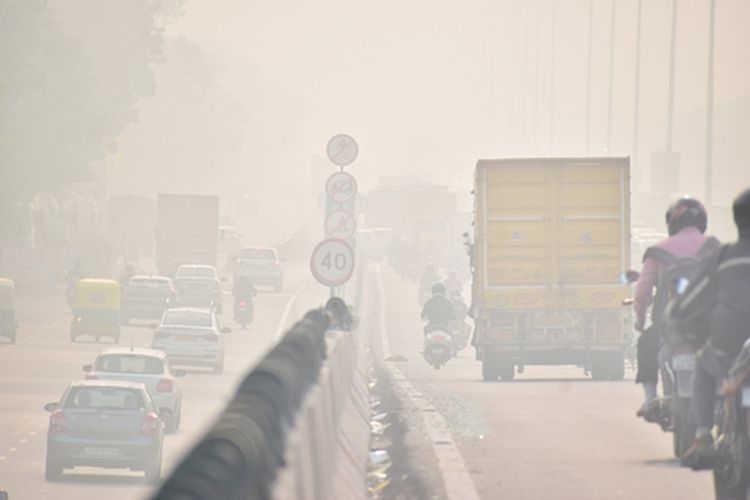
Air pollution is a serious problem that continues to haunt, especially in big cities in Indonesia. This problem is not just an environmental nuisance, but a real threat that is slowly destroying human health and ecosystems. Although it often goes unnoticed, its impact cannot be underestimated.
Without realizing it, daily activities such as driving on the streets expose you to polluted air. This pollution can cause a variety of health complaints, ranging from mild coughing to more serious breathing disorders.
Through this article, we will explore more about the adverse effects of air pollution on health and the environment, as well as find out practical steps that can be done to help reduce it!
What Is Air Pollution?
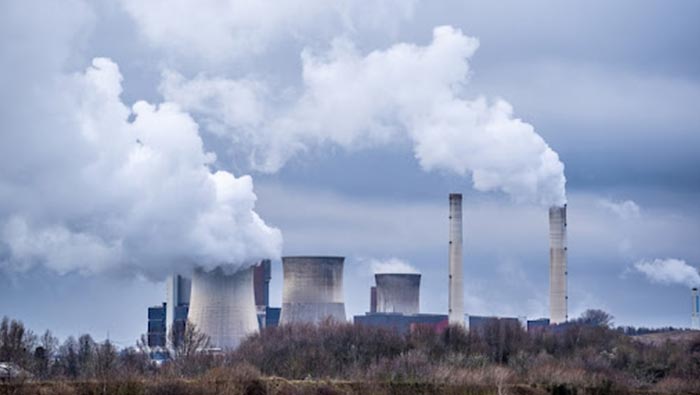
Image of a factory with a lot of smoke rising in its chimney (MutuCertification)
According to the World Health Organization (WHO), air pollution is air pollution by harmful substances that can harm human and animal health, as well as damage the environment.
Sources of air pollution are very diverse. Much of it comes from human activities, such as burning fossil fuels for vehicles, industry, and power plants. However, pollution can also come from natural processes such as volcanic eruptions or forest fires.
United States Environmental Protection Agency (EPA) mendefinisikan polusi udara sebagai campuran kompleks antara partikel dan gas di atmosfer. This mixture includes ozone, carbon monoxide, sulfur dioxide, nitrogen dioxide, as well as fine particles such as PM2.5 and PM10. These microscopic particles are very dangerous because their small size allows them to go deep into the respiratory tract, even down to the lungs.
Locally, the Indonesian Ministry of Environment and Forestry (MoEF) explained that air pollution is an increase in certain substances or energies in the air in certain concentrations and durations that can change air quality. If left unchecked, this condition can have serious impacts on public health and environmental sustainability.
However, air pollution is not just a matter of numbers or scientific terms. This is a real problem that touches everyday life. For example, have you ever noticed that the sky in a big city is rarely bright blue, even in the morning? That’s one of the signs that the air around you is not clean.
More worrying, not all pollution you can see or feel right away. Harmful gases such as carbon monoxide or nitrogen dioxide have no color or odor. Because of its hidden but deadly nature, air pollution is often dubbed the’silent killer‘.
5 Harmful Effects of air pollution
Pedestrians affected by air pollution (Bulelengkab)
Air pollution has serious consequences, both on human health and on environmental sustainability. Here are the five most dangerous impacts of air pollution that you need to be aware of:
1. Decrease In Life Expectancy
This may sound surprising, but poor air quality can actually shorten life. According to the 2021 Air Quality Life Index (AQLI)report , the average Indonesian population loses about 2.5 years of their life expectancy due to high exposure to fine particles (PM2.5) which exceeds the safe threshold set by WHO.
Imagine if every day you breathed clean air-your life could be longer and healthier. Creepy, isn’t it?
2. Onset of serious illness
Air pollution has been shown to contribute to a variety of chronic and deadly diseases. Based on data from the National Research and Innovation Agency (BRIN) in 2019, the five main diseases directly related to air pollution in Indonesia include stroke, ischemic heart disease, chronic obstructive pulmonary disease (COPD), lower respiratory tract infections, tracheal, bronchial, and lung cancer. Worse yet, the impact knows no age. A study from Diponegoro University (UNDIP) in 2020 showed that the high number of respiratory tract diseases in children and toddlers is closely related to air quality in the household environment. One of the main causes is exposure to smoke while cooking, especially when the mother takes the baby or toddler to the kitchen that does not have good ventilation.
3. Early Death
The most tragic impact of air pollution is premature death. Data from Greenpeace Indonesia shows that around 7,390 Jakarta residents die faster each year due to chronic air pollution exposure.
Not only that, around 2,000 babies are reported to be born with low weight each year in the same region. This condition is closely related to poor air quality during pregnancy.
4. Environmental Damage
Air pollution not only threatens human health, but also accelerates the destruction of the environment. One of the impacts is acid rain, which can damage crops, pollute water sources, and disrupt the balance of ecosystems.
In addition, the increase in pollutant particles in the atmosphere leads to a decrease in visibility, blurring of natural landscapes and a decrease in the overall quality of life—especially in urban areas.
5. Economic Burden
Air pollution also provides a not small economic burden. The cost of treating diseases caused by pollution, increased visits to health facilities, and decreased work productivity due to sick employees are a separate burden for households and the state.
According to a report quoted from SETKAB in 2023, the economic burden due to air pollution in Indonesia includes health costs that increase significantly as well as productivity losses that continue to swell over time. This shows pollution is not only a health problem, but also a national economic problem.
5 Effective Ways to reduce air pollution
Portrait of air pollution in urban areas / source: MegaSyariah
Tackling air pollution is not only the government’s job, but also our collective responsibility. You can contribute starting from small steps in everyday life.
How to effectively reduce air pollution? Here are five steps you can take:
1. Reduce The Use Of Motor Vehicles
Land Transport is a very large contributor of carbon dioxide (CO₂) and nitrogen oxide (NOₓ) emissions. One of the most effective ways to reduce air pollution is to switch to public transportation, such as buses or trains.
If possible, try cycling or walking for short distances. In addition to being more environmentally friendly, it is also good for your health. You can also carpooling with friends or start switching to electric vehicles to reduce exhaust emissions.
2. Avoid Burning Garbage
Burning household waste can produce harmful substances such as carbon monoxide (CO), dioxins, and fine particles that are very harmful to health. So, one of the simplest ways to help is not to burn garbage.
Instead, try sorting waste by type: organic, inorganic, and recycled. You can also take advantage of garbage banks or recycling services that are now increasingly available in various cities. Even better if you can process organic waste into compost at home!
3. Plant and maintain trees
We all know, trees play an important role in absorbing carbon dioxide and producing oxygen. Therefore, planting trees is a classic but still relevant step in reducing air pollution, especially in vehicle-intensive cities.
Start from the neighborhood: plant trees or green plants in the yard or in pots. You can also participate in environmental reforestation programs or tree planting campaigns with the community.
4. Use Environmentally Friendly Products
The campaign to bring your own drinking bottles instead of buying bottled water over and over again is one simple but effective example of reducing pollution—not just plastic waste, but also emissions from the production process.
Not only that, many household products such as paints, cleaners, and air fresheners contain harmful chemical compounds that can pollute the air in the House. For that, make sure you choose products that are free of toxic chemicals, do not contain aerosols, and if possible, certified environmentally friendly.
Also use energy-efficient electronic devices, such as LED lamps and household appliances with energy efficiency labels. These small steps can have a big impact when done consistently.
5. Switch to renewable energy
While not everyone can make the Switch right away, the use of renewable energy remains an important long-term solution in suppressing air pollution and greenhouse gas emissions.
If possible, you can start small, such as installing solar panels in your home, or supporting products and services from companies that implement green energy. In addition, make it a habit to save electricity by turning off lights and electronic devices that are not used. Energy-saving, cost-effective, and certainly more environmentally friendly.
Clean Air, Our Shared Responsibility
That’s a review of the dangers of air pollution and the real steps you can take to reduce it. Even though it looks simple, the small actions you take every day can have a big impact if done together.
Clean air is the right of all living things. So let’s take care of each other for the health of ourselves, future generations, and a better Earth!
Featured image: Image of a highway with lots of vehicles and smoke / source: Kompas
Four life-changing months: Kahiu Academy Batch 3 Travel Notes
After four months of learning and growth, the participants of Kahiu Academy Batch 3 finally completed their journey.
The graduation moment celebrated in Kahiu’s Farewell event became an important symbol of a transformation—from a dropout teenager to a more confident, skilled and prepared individual for the challenges of the future.
This Program is not just a training, but a safe space to explore potential, build character, and find new hope.
Check out their journey at Kahiu Academy and how this program has paved the way to a brighter future!
Kahiu Academy: a beacon of hope for school dropouts
Since it was first established in 2022, Kahiu Academy has become a light of hope for teenagers dropping out of school in West Kalimantan.
The Program is designed to provide comprehensive education and training, with the aim of equipping participants with technical and non-technical skills so that they can become more independent and empowered individuals.
Kahiu Academy takes a holistic approach. Not only does it focus on improving knowledge and practical skills, the program also instills important values such as concern for the environment and character development.
Thus, each participant not only gets provisions for the world of work or independent business, but also grows into a person who has social awareness and responsibility to the community and the surrounding nature.
Kahiu Academy learning journey: more than just training
Over the past four months, as many as 14 participants from four districts in West Kalimantan participated in an intensive training program held at the Sir Michael Uren YIARI Ketapang Learning Center.
They undergo a dense learning process, covering more than 40 materials divided into two main categories: technical skills (hard skills) and self-development (soft skills).
Peserta Kahiu Academy Batch 3 (Muffidz Masum | YIARI)
All materials provided are not only aimed at forming individual competencies, but also to foster the spirit of contributing to society and the environment.
Through this approach, participants are invited to learn for the sake of their own future, while being encouraged to be part of a broader change in their respective communities.
Diverse and comprehensive training materials
During the program, Kahiu Academy Batch 3 participants receive various trainings designed to equip them with practical skills as a preparation for the future. The material presented includes:
Technical skills, relevant to different areas of work. This material allows participants to immediately jump into the world of work or even start an independent business according to their interests and potential.
Character development and leadership, which aims to form self-confidence and resilience in the face of various life challenges.
Environmental education, which increases participants ‘ awareness of the importance of nature conservation as well as how to apply environmentally friendly principles in everyday life.
More than just theory in the classroom, participants also get the opportunity to apply their knowledge directly through practice. This practice-based approach helps participants understand the real context of the skills learned, while strengthening their understanding in real-world situations.
Farewell Kahiu: celebrating graduation with meaning
After a long journey full of challenges and learning process, Kahiu Academy Batch 3 participants finally successfully completed their program.
This graduation moment was celebrated in the Farewell Kahiu event, a celebration full of meaning and emotion. Not only a farewell event, this event also became a symbol of success and extraordinary achievements, both for the participants, mentors, mentors, and all parties involved in this program.
Participants make a presentation (Muffidz Masum | YIARI)
In the event, each participant was given the opportunity to share stories and reflections about their journey during the training.
They tell of the changes they have experienced, how the program has changed the way they see the future, and how the skills they have acquired have fostered the confidence to go further.
Participants make a presentation(Muffidz Masum | YIARI)
Not only that, the participants also presented their plans after graduation. There are those who want to pursue their professional goals, there are those who plan to hold empowerment activities in their hometown, and there are those who aspire to develop sustainable agriculture.
The variety of ideas and initiatives presented by them shows that this program has opened their horizons and equipped them with real abilities to build a better future.
Looking to the future with optimism
The enthusiasm and enthusiasm of the participants in welcoming life after graduation was felt throughout the farewell event. With the provision they have gained during the program at Kahiu Academy, graduates are now more confident to face various challenges, as well as create new opportunities for themselves and the communities in which they live.
Graduation from Kahiu Academy is not the end, but rather the beginning of new, hopeful steps. The participants now have broader skills and insights—both to work in various sectors and to build independent businesses. More than that, they are also equipped with the spirit to make a real contribution to the environment and society.
We hope that this program continues to grow and reach more teenagers in West Kalimantan. The success of Kahiu Academy graduates is a clear proof that proper education and training can pave the way to a brighter future.
Thank you to everyone who has contributed to supporting this journey—mentors, facilitators, partners, and all program supporters. May the graduates of Kahiu Academy continue to move forward, achieve their dreams, and bring positive change to their communities.
Food security is one of the main pillars in realizing the welfare of the community, especially for local communities that rely heavily on natural resources in the vicinity.
In the face of global challenges such as climate change, environmental degradation, and dependence on food supplies from outside the region, the development of self-managed Food Systems is an effective and sustainable solution.
As a form of commitment to strengthening local food security, Yayasan Initiasi Alam Rehabilitasi Indonesia (YIARI) actively encourages environmentally friendly tilapia farming practices. Through the tilapia harvesting program, YIARI supports the sustainable increase of fish production, as well as providing education to the community on efficient cultivation techniques, saving resources, and in line with conservation principles.
This article will discuss in depth about the tilapia harvesting program implemented by YIARI. Check it out!
When Is This Program Implemented?
Yiari tilapia harvesting activity in Ulak Medang Village, Ketapang, West Kalimantan(Comdev | YIARI team)
On Friday, February 28, 2025, YIARI and the Alam Lestari Joint Venture Group (KUB) carried out tilapia harvesting in Ulak Medang Village, Ketapang regency, West Kalimantan. This activity is part of a sustainable aquaculture program designed to strengthen local food security through a community-based approach.
Ulak Medang village was chosen as the location of the program because it has the potential to support water resources, as well as high community spirit to develop independent cultivation. Active citizen involvement is key in every stage of the activity—from pond management, feeding, to harvesting.
Through this activity, YIARI not only channeled technical knowledge and assistance, but also instilled conservation values in cultivation practices to stay in line with environmental conservation efforts.
Yields and environmentally friendly cultivation practices
Tilapia harvest conducted in the village of Ulak Medang yielded encouraging results. In one harvest, the community managed to harvest 409 kilograms of tilapia. This achievement not only shows the success in terms of quantity, but also the quality of cultivation management.
During the cultivation process, fish mortality rate (mortality) was recorded at 20%, while the value of food conversion ratio (FCR) reached 1.25. This FCR number indicates good efficiency in the use of feed—the lower the FCR value, the more efficient the fish are in converting feed into body mass.
This success certainly cannot be separated from the implementation of environmentally friendly cultivation practices. Since its inception, the program has been designed with a conservative approach to maintaining the health of Fish and the quality of aquatic ecosystems. Some of the main principles applied include:
Periodic monitoring of water quality to maintain optimal conditions for fish growth.
Setting the stocking density so that the fish are not stressed and the living space remains sufficient.
Selection of high-quality and efficient feed, thus supporting growth without polluting the environment.
Responsible management of aquaculture waste so as not to damage the ecosystem around the pond.
Tilapia Harvesting Challenges
Behind the success of tilapia farming, there are a number of significant challenges faced by farmers in the field. Some of the following major obstacles are of serious concern in the management of sustainable cultivation.
Here are the challenges and solutions that have been pursued by YIARI together with the Joint Venture Group (KUB) Alam Lestari:
YIARI and Kub Alam Lestari collaborate to harvest tilapia (Comdev | YIARI team)
1. Fluctuations in the selling price of fish
The selling price of tilapia in the market tends to be unstable because it is influenced by various factors, such as fluctuations in consumer demand, harvest season, and general economic conditions.
Based on data from the Central Statistics Agency (BPS) in 2022, the price of freshwater fish—including tilapia—can change between 10% to 20% in a matter of months, depending on stock dynamics and market demand.
This price instability has a direct impact on the income of farmers, who often have to sell crops at prices below production costs. To overcome this challenge, we together with Kub Alam Lestari took the initiative to build a wider and more stable marketing network.
One of the strategic steps taken is to establish direct partnerships with regular buyers, such as traditional markets and cooperatives. Through this approach, farmers can reduce dependence on open markets and ensure a more secure revenue stream.
2. High feed prices
Feed is the largest cost component in Tilapia farming, which according to a report by the Ministry of Marine Affairs and Fisheries (MMAF), can reach 60-70% of total operating costs.
In recent years, commercial feed prices have continued to rise, driven by the high cost of raw materials such as fishmeal and soybeans, most of which are still imported.
This increase is very burdensome cultivation actors, especially small and medium scale. To reduce dependence on commercial feed, we started developing locally based solutions through alternative feed production.
Ingredients such as lamtoro leaves, rice bran, and maggot (BSF fly larvae) which are rich in protein are the main choices. This approach not only helps reduce operational costs, but also supports more environmentally friendly cultivation practices by utilizing easily accessible local resources.
3. Communication Between Group Members
Cultivation in a group scheme requires solid coordination and communication between members. Each individual must apply the same cultivation standards, from water quality management, feeding, to harvest scheduling.
In practice, however, differences in experience, technical understanding and way of working are often a source of imbalance.
To strengthen synergies within the group, we actively encourage information disclosure and conduct regular joint training. In addition, regular discussion forums are also facilitated to provide space for members to share experiences, discuss technical challenges, and find solutions together.
Effective communication is proven to increase production efficiency and help reduce potential conflicts in collective business management.
Benefits Of Tilapia Fish Harvest
Yiari tilapia harvest with Kub Alam Lestari (Comdev | YIARI team)
For the people of Ulak Medang village, harvesting tilapia is not just an economic activity, but a reflection of changes in a more sustainable way of life. This Program has a real impact, both in terms of family income and environmental awareness.
One of the members of KUB Alam Lestari, Kusmaheru, shared his experience:
“In harvesting tilapia this time, my cage produces 100 kg of fish which is immediately sold out. Before joining this program, I worked as a woodcutter. Yes, my intention is actually to change from woodworking, and I live a business with this KUB too, I see first the situation and how the results are. If it does produce, the next good step I will stop working on wood.”
Kusmaheru’s story is proof that tilapia farming can be a way out of dependence on activities that have the potential to damage forests. In addition to generating economic benefits, this activity also encourages social transformation that is more environmentally friendly.
Not only that, the success of the harvest also opens up new opportunities for other family members to get involved, ranging from crop processing to distribution to the local market. In the long run, this strengthens the resilience of families and extends the benefits of the program to a wider stratum of society.
Looking To The Future Of Sustainable Cultivation
Tilapia cultivation developed in Ulak Medang village shows that food security and environmental conservation can go hand in hand. Through a community-based approach, the program not only produces successful harvests, but also fosters a new awareness of the importance of maintaining the balance of nature.
In the future, this activity is expected to be an inspiring model for other villages that want to develop an independent food system. Tilapia farming is not only about meeting the needs of the kitchen, but also about keeping the forest sustainable, reducing pressure on nature, and strengthening people’s independence.
Because in the end, planting hope means reaping the future.