Have you ever imagined that the sunlight that illuminates the Earth every day can be a source of unlimited energy for our lives? Interesting, isn’t it?
This is the reason why solar energy—or solar energy-has become increasingly popular in recent years. As one of the renewable energy sources, solar energy offers a sustainable solution to reduce dependence on limited fossil fuels and pollute the environment.
Fortunately, Indonesia has a huge solar energy potential. Based on data from the Ministry of energy and Mineral Resources (ESDM), the potential of solar energy in Indonesia is estimated at 207 gigawatts (GW). However, until the beginning of 2023, the installed capacity of new solar power plants (PLTS) will reach around 322 megawatts (MW), or less than 1% of their total potential.
However, what exactly is solar energy? How does it work, and what are its benefits in everyday life? Let’s explore more about solar energy, and how Indonesia is starting to move towards a greener and more sustainable future.
Understanding Solar Energy
Solar energy is energy produced from solar radiation.
In other words, it is natural energy that can be converted into electricity or heat using a variety of technologies, especially photovoltaic (PV) solar panels and solar heating systems.
According to the International Renewable Energy Agency (IRENA), solar energy is one of the most abundant sources of renewable energy on Earth—far exceeding even today’s total global energy needs. This fact shows how much potential can be harnessed from sunlight.
The main technologies in the use of solar energy are divided into two types:
- Photovoltaic (PV) – this technology converts sunlight directly into electricity using solar panels. Generally used on roofs of houses, office buildings, to large-scale solar power systems.
- Concentrated Solar Power (CSP) – these systems use mirrors to concentrate the sun’s light, generating heat that is then used to drive turbines and generate electricity. CSP is generally used in industrial scale or power plants in regions with high light intensity.
Both technologies play an important role in the transition to clean energy. Both for household and industrial needs, solar energy is one of the most potential solutions to create a more environmentally friendly and sustainable energy system.
Advantages Of Solar Energy
As a tropical country that is illuminated by the sun almost all year round, Indonesia has a huge potential for solar energy.
Based on the latest data from the Ministry of energy and Mineral Resources (ESDM) in 2024, the potential for solar energy in Indonesia has reached around 210 gigawatt-peak (GWp), an increase from 207.8 GWp in 2021. Unfortunately, the utilization rate of solar energy in the country is still very low-only about 0.1% of the total available potential.
Although its use is still limited, solar energy continues to show its potential as a clean, sustainable and efficient future energy solution.
So, what are the advantages of solar energy that make it more ogled?
1. Eco-Friendly
Solar energy is one of the most environmentally friendly energy options. Unlike fossil fuels that generate greenhouse gas emissions and air pollution, the use of solar energy does not generate harmful substances.
By switching to solar energy, you contribute to reducing your carbon footprint, slowing the pace of climate change, and maintaining cleaner air for everyday life. This is a real step towards a greener future.
2. Renewable Energy Sources
The sun is an inexhaustible source of energy—at least in the next few billion years. In contrast to fossil energy sources such as coal or petroleum, which are limited and can run out, energy from sunlight continues to be available every day.
Indonesia’s geographical prominence in the tropics makes it ideal for harnessing this energy. With abundant sunlight most of the year, solar energy becomes a reliable long-term solution for future electricity needs.
3. Low operating costs
Although the initial cost of installing a solar panel system can seem large, the running and maintenance costs are relatively low. After the system is installed, you only need to perform routine maintenance, such as cleaning the panel surface from dust or dirt.
The absence of fuel costs that have to be purchased regularly also makes solar energy a cost-effective solution in the long term. In a certain time, this initial investment can return through savings on electricity bills.
4. Accessible in remote areas
One of the most significant advantages of solar energy is its ability to be applied in almost all regions, including remote areas that have not been reached by the PLN electricity network.
Solar energy opens up great opportunities for people in rural areas or small islands to gain access to electricity without having to build expensive infrastructure. Thus, solar energy plays an important role in supporting equitable access to energy throughout Indonesia.
Benefits Of Solar Energy
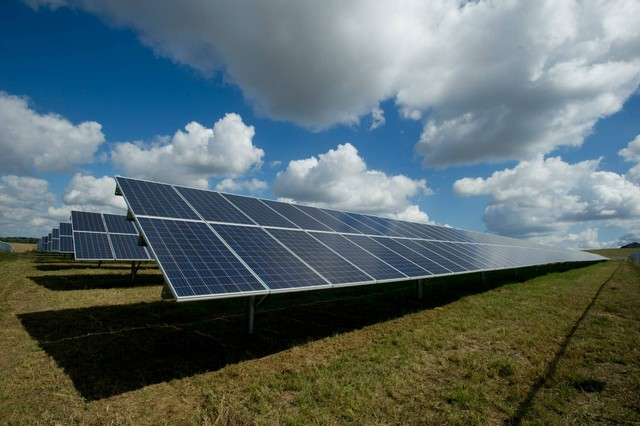
As technology develops, the use of solar energy is increasingly widespread and felt in various aspects of life. Here are some of the main benefits of solar energy that you should know:
1. Reduce dependence on fossil fuels
By using solar energy, you can help reduce dependence on fossil energy sources such as coal, oil, and natural gas. In addition to the limited number, fossil fuel prices tend to be unstable and often influenced by global geopolitical conditions.
Solar energy is becoming a more environmentally friendly solution while offering energy independence. By utilizing abundant sunlight, we can access clean and stable energy in the long run.
2. Creating New Jobs
The solar energy sector opens up great opportunities in job creation in various fields, from solar panel production, assembly, installation, to system maintenance.
According to the International Renewable Energy Agency (IRENA) report, in 2020 the renewable energy sector globally employed around 12 million people—with photovoltaic (PV) technology being the largest contributor absorbing nearly 4 million workers.
In Indonesia alone, increased investment in solar energy has the potential to drive economic growth through local job creation, especially in the manufacturing and engineering services sectors.
3. Expanding energy access to remote areas
There are still many areas in Indonesia, especially 3T areas (lagging, leading, and outermost), which have not been reached by conventional electricity networks. Solar energy can be an effective solution to provide independent access to electricity in these regions.
With solar panel systems, people in rural areas, remote villages, or small islands can get electricity without waiting for the construction of complex and costly infrastructure. This not only supports equitable distribution of energy, but also improves the quality of life of people in previously non-electrified areas.
4. Ensuring Energy Price Stability
One of the advantages of solar energy is its cost stability. Because it does not depend on fuel commodities whose prices fluctuate, solar energy offers stability in electricity prices in the long term.
That way, you don’t have to worry about rising electricity tariffs due to fluctuations in the global energy market. This makes solar energy even more attractive, both for households and industrial sectors that require predictability of energy costs.
How Does Solar Energy Work?
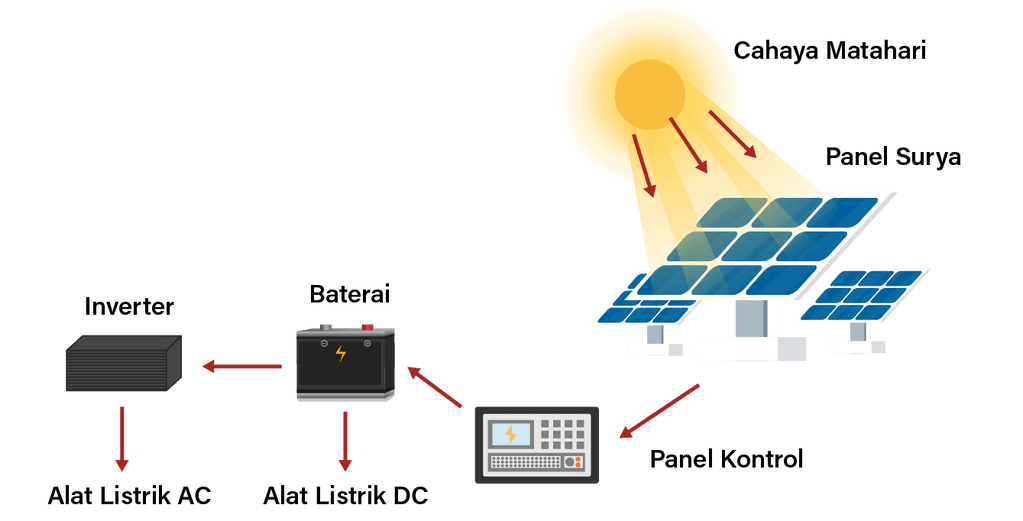
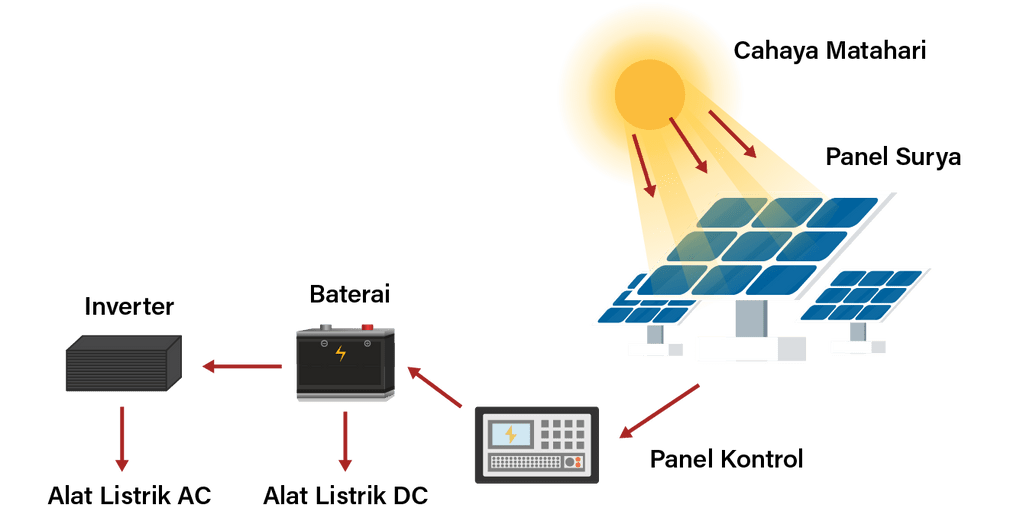
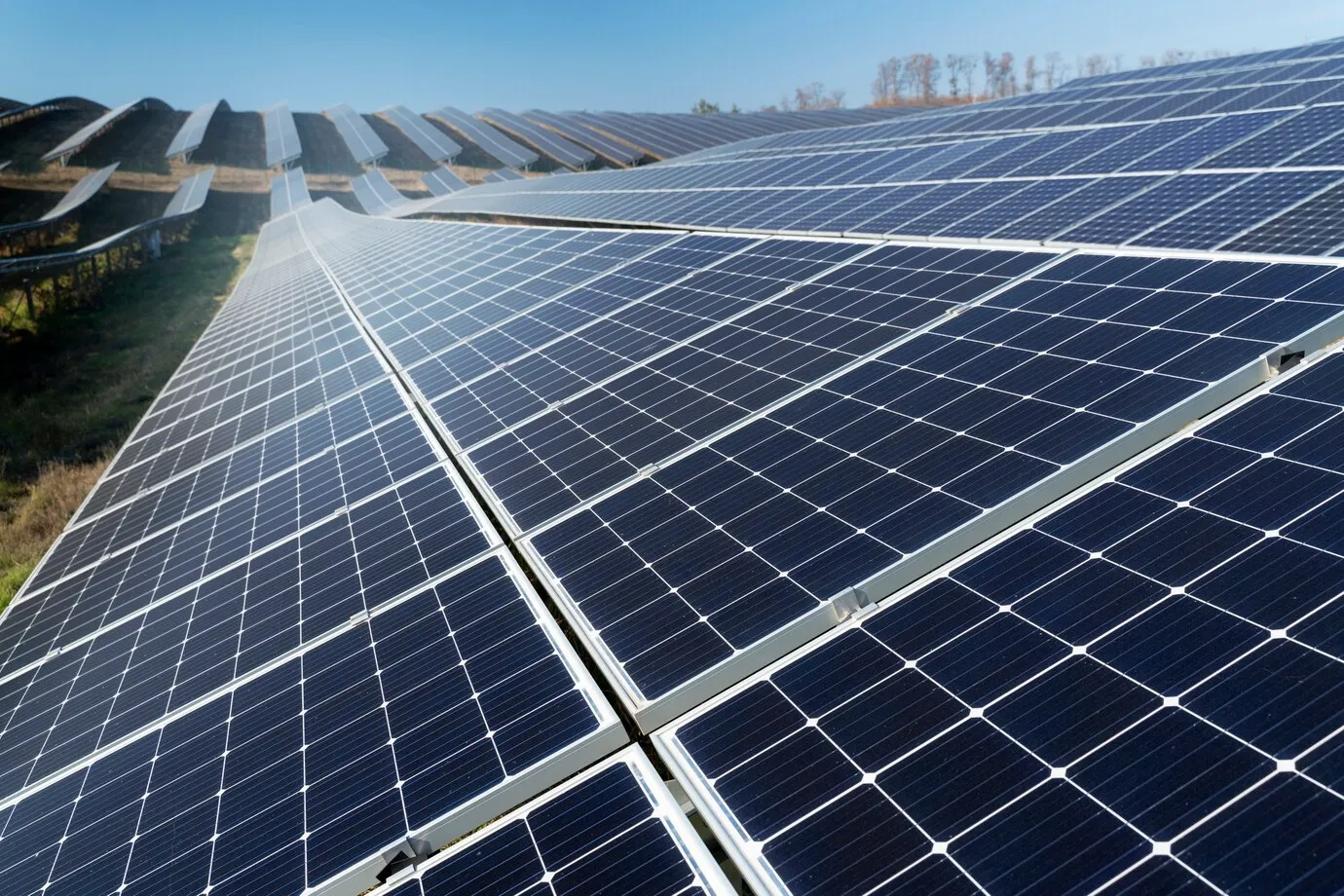
Solar energy works through a sophisticated technological process, capable of converting sunlight into electrical energy. The technology uses a device called a solar panel, which consists of a collection of solar cells or photovoltaic cells designed to capture and convert solar light efficiently.
Each solar cell works on the principle of the photovoltaic effect, which is the process by which light (photons) from the sun stimulate the movement of electrons in a semiconductor material, generating a direct electric current (DC).
Main Components Of Solar Cells
In general, solar cells are composed of several main layers:
- A semiconductor layer, usually made of silicon, that serves as the primary medium for capturing light and releasing electrons.
- A layer of metal, which is in charge of conducting the electric current from the solar cell to the electrical circuit.
- Anti-reflective coating, which helps maximize the absorption of sunlight and reduce reflections.
When sunlight hits the surface of a solar cell, light particles (photons) will hit the atoms in the silicon layer. This collision causes the free electrons to move, creating a flow of electricity. This electrical current is then collected and passed through an inverter circuit to be converted into alternating current (AC) that can be used in homes, offices, or industrial facilities.
Examples Of Solar Energy
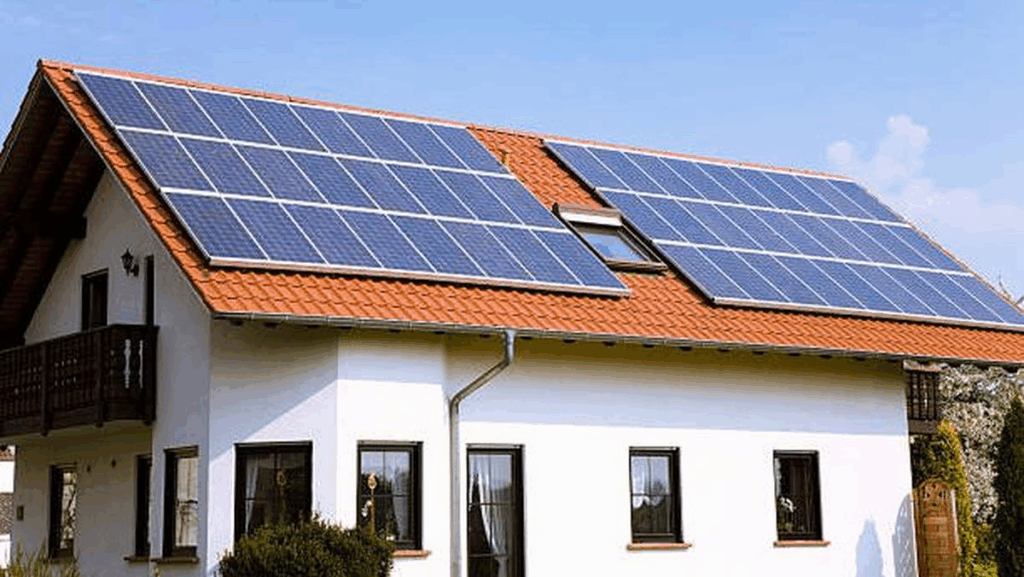
Solar energy systems are now increasingly widely known and have been applied in various forms, both at the global and national levels.
In Indonesia itself, the use of solar energy as an alternative source of electricity began to grow rapidly and can be found in everyday life. Here are some examples of popular solar energy applications:
1. Solar power plant (PLTS)
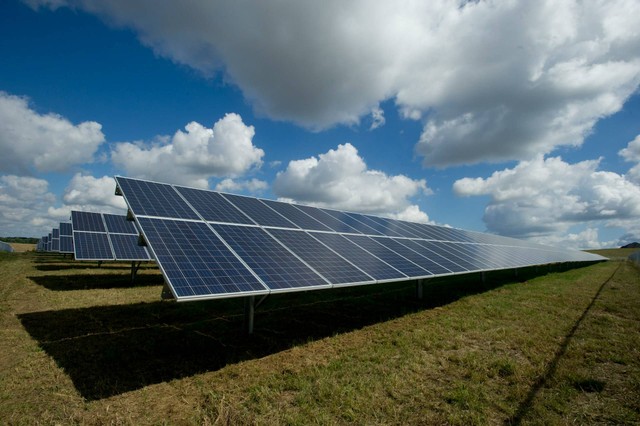
PLTS is one of the most common and large-scale forms of solar energy application. This system uses solar panels to generate electricity which is then channeled to the public grid.
In Indonesia, one of the largest PLTS is located in Kupang, East Nusa Tenggara, with a capacity of up to 5 megawatts (MW). This solar power plant is a clear proof that solar energy can be the backbone of electricity supply in areas with high solar potential.
2. Panel Surya Atap (Rooftop Solar Panel)
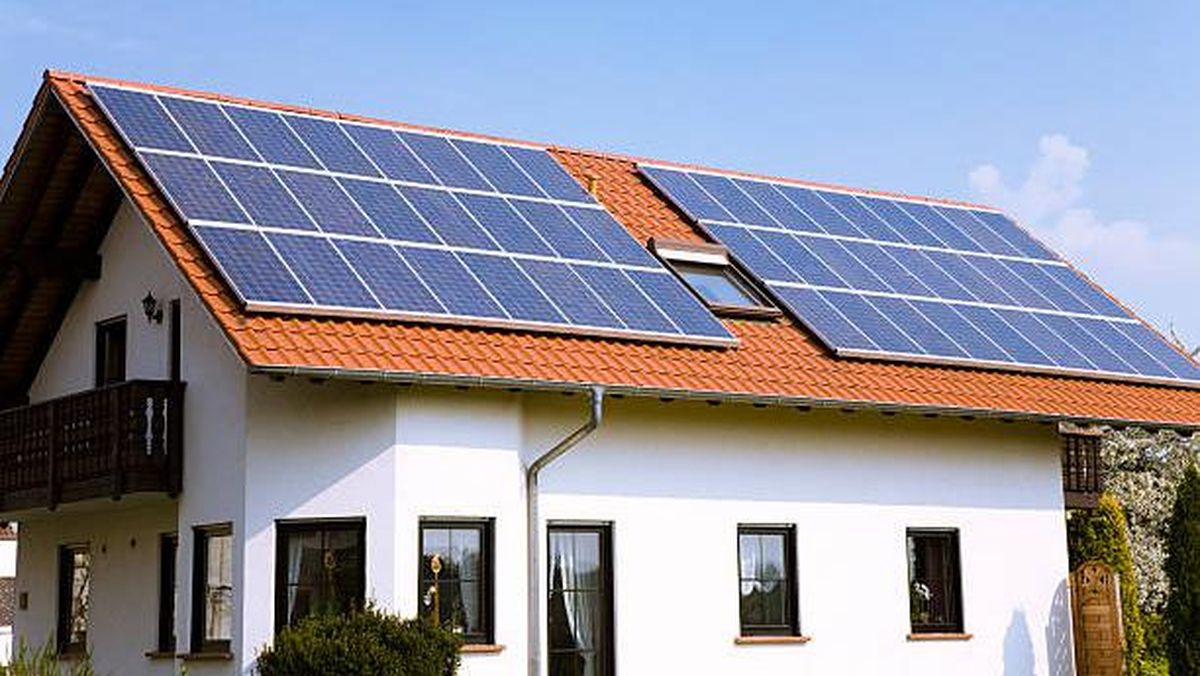
Rooftop solar panels are increasingly popular among households and commercial buildings. Installation of solar panels on the roof allows the owner of a house or building to generate electricity on their own and reduce monthly bills.
The net metering scheme implemented by PLN also encourages the adoption of this technology, as unused energy can be channeled back to the grid and converted into electricity credits.
3. Solar Water Heater
This technology utilizes sunlight to heat water used for household and industrial needs.
Solar water heaters are usually installed on roofs and are particularly efficient in sunny climates. This solution not only saves energy, but also reduces the use of electricity from conventional sources.
4. Solar Lights (Solar Lighting)
Solar lights, especially for street lighting, are now increasingly commonly used in various parts of Indonesia, especially in areas that have not been fully covered by the electricity network.
These lights use small panels to absorb solar energy during the day, then store it in batteries for use at night. This technology is very effective for improving security and mobility in remote areas.
Solar energy as a pillar of a sustainable future
Solar energy is no longer just a discourse of the future—it has become a real solution that is constantly evolving and shows great potential for answering global energy challenges. With abundant solar resources throughout the year, Indonesia has tremendous opportunities to lead the transition to clean and sustainable energy.
Although it still faces challenges, such as high initial costs and dependence on weather conditions, technological developments and government policy support pave the way for increased adoption of solar energy in the future.
Now is the time for all of us to start taking a role—whether as individuals, communities, or part of the industry—in supporting the use of solar energy. By doing so, you not only help preserve the environment, but also help create a more independent, clean, and equitable energy future for future generations.
References:
https://seia.org/initiatives/about-solar-energy/
https://www.irena.org/Publications/2024/Jul/Renewable-energy-statistics-2024
https://www.reuters.com/world/asia-pacific/indonesia-plans-boost-renewable-usage-new-electricity-supply-plan-2025-02-11/
Featured image: Panel Surya / Sumber: Freepik