Have you ever felt that the discussion about renewable energy is just a theory on paper-complicated, technical, and far from everyday life?
In fact, renewable energy is actually getting closer to us, even becoming an important part in efforts to save the Earth from an increasingly real climate crisis.
Imagine, in 2022 alone, Indonesia will be able to produce about 65 Terawatt hours (TWh) of electricity from renewable energy sources—enough to light more than 114 thousand 1,000-watt homes for a full year. This is not a small number, and it clearly shows that changes are taking place.
At the global level, the shift to clean energy is also progressing rapidly. Since 2000, the proportion of electricity from renewable energy in the world jumped from 19% to more than 30% by 2023.
This remarkable growth was largely driven by the utilization of solar and wind power which jumped from just 0.2% to 13.4%.
Indonesia is starting to move in line with this global trend. However, in order to achieve a complete clean energy transition, there are still many challenges to be faced.
Let’s go deeper: how the wave of renewable energy in the world affects Indonesia’s steps, and what roles we can take towards a greener and more sustainable future.
What is new and Renewable Energy (EBT)?
New and Renewable Energy (EBT) is a term that appears more and more frequently in discussions around sustainability and the energy transition. According to the Ministry of energy and Mineral Resources (ESDM), EBT is a source of energy derived from natural processes that take place in a sustainable manner, such as solar energy, wind, water, geothermal, and biomass.
These energy sources are called’ Renewable ‘ because they can be renewed naturally in a relatively short time, unlike fossil energies that take millions of years to form. In the journal Renewable and Sustainable Energy Reviews, renewable energy is defined as energy that comes from nature and will not run out, as long as it is managed wisely. For example, the sun will continue to shine and produce energy as long as it is still there, as well as the wind is always present as long as there is movement of air in the atmosphere.
In addition, according to Dr. Herman Darnel Ibrahim, one of the renewable energy experts in Indonesia, EBT is not only environmentally friendly, but also has great potential in strengthening national energy independence.
Basically, new and renewable energy is clean energy that can be renewed naturally and is the main key in realizing a sustainable energy system in the future.
Benefits Of Renewable Energy
Having understood what new and Renewable Energy (EBT) is, it is time for us to dive deeper: why is EBT the main highlight in the global effort towards sustainability?
The answer lies in the wide range of real benefits offered by renewable energy. Come on, check out the following points!
1. Eco-Friendly
One of the main advantages of renewable energy is its very minimal impact on the environment. Energies such as solar and wind generate almost no greenhouse gas emissions during the electricity generation process.
In contrast, coal-fired power plants are still the largest contributor to carbon dioxide (CO₂) emissions, which is about 40% of total global emissions.
This fact makes renewable energy an important solution to slow the pace of climate change and maintain the quality of the air we breathe every day.
2. Unlimited Resources
Did you know that most of the conventional energy sources we rely on today—such as coal and petroleum—are finite and will eventually run out?
This is where renewable energy comes in as the answer. Resources such as sun, wind, and water will continue to be available as long as nature exists.
Citing a National Geographic report in 2024, solar energy that illuminates the Earth in just one hour is enough to meet the energy needs of the entire world for a whole year. Incredible, isn’t it?
3. Encourage Technological Innovation
The use of renewable energy also plays a major role in encouraging sustainable technological innovation.
Growing demand every year Spurs the development of a wide range of technical solutions, from increasingly efficient solar panels to more durable and cost-effective energy storage systems (such as batteries).
This not only supports the global energy transition, but also opens up new economic opportunities in the green technology sector.
4. Creating New Jobs
The renewable energy sector not only offers environmental solutions, but also opens up vast economic opportunities.
With the growth of this industry, a wide variety of jobs are created—from technology research and development, to the production of components such as turbines and solar panels, to the installation and maintenance of energy systems.
According to the International Renewable Energy Agency (IRENA) report in 2023, more than 12 million people worldwide have worked in the renewable energy sector. This figure continues to increase with the increase in clean energy projects in various countries.
The transition to renewable energy also creates local employment opportunities, especially in remote areas that have been difficult to reach by conventional energy infrastructure. This can encourage regional economic growth and narrow the development gap between regions.
5. Reduce dependence on fossil fuels
One of the strategic advantages of renewable energy is its ability to reduce the country’s dependence on fossil fuel imports.
By utilizing local resources such as solar, wind, water, or geothermal, countries can increase energy independence while reducing the risk of instability due to fluctuations in world oil prices.
In addition, renewable energies offer better price stability in the long term. Because the sources come from nature and are freely available—such as sunlight or wind—the operating costs of renewable energy plants tend to be lower and unaffected by the volatility of global energy markets.
This makes renewable energy a strategic choice, both in terms of the economy and National Energy Security.
Renewable energy sources: the inexhaustible potential of nature
When we talk about renewable energy, we’re actually talking about the incredible power of nature—the power that can be harnessed to meet human energy needs without burdening the environment.
These energy sources come from ongoing natural processes and can be renewed sustainably. Some of these include sunlight, wind, water (hydro), geothermal, and biomass. In contrast to fossil energy, which is limited and takes millions of years to form, renewable energy sources are available in large quantities and can continue to be utilized in the long term.
So, what about the potential for renewable energy in Indonesia? As it turned out, our country holds enormous potential in this regard. Indonesia’s geographical location on the equator makes it rich in exposure to sunlight throughout the year-an important advantage for the development of solar energy.
Not only that, Indonesia as an archipelago surrounded by the sea and has many mountains, also holds great potential in the wind, water and geothermal energy sectors.
In fact, Indonesia is said to be one of the countries with the largest geothermal reserves in the world—about 40% of the total global geothermal reserves are located here. This makes geothermal one of the most strategic local energy sources.
Types and examples of renewable energy sources
Understanding the concept of renewable energy is not enough—we also need to see real examples and implementation of this energy source in various countries, including Indonesia.
Here are some of the most commonly used types of renewable energy, complete with examples of their application:
1. Solar Energy

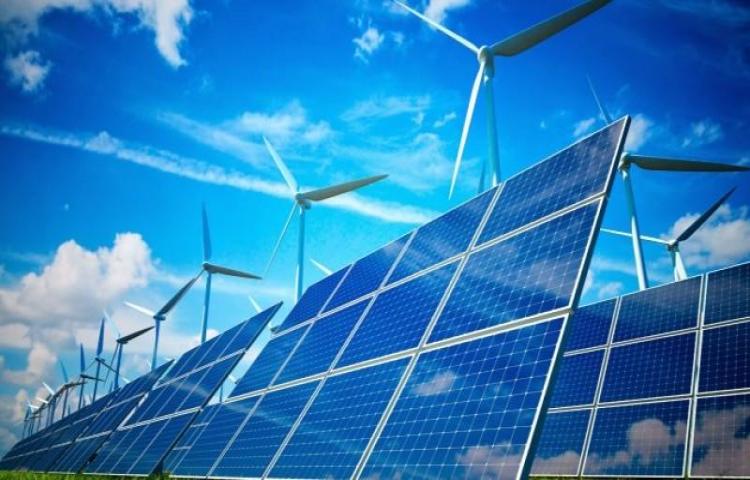
Solar energy, or solar energy, is one of the most popular and fast-growing forms of renewable energy in the world. This technology utilizes sunlight to generate electricity or heat, generally through solar panels (solar panels) or photovoltaic cells.
Solar panels work by converting sunlight into electrical energy directly.
Interestingly, the cost of installing solar panel systems is now increasingly affordable. According to the International Renewable Energy Agency (IRENA), the cost of electricity from solar energy has fallen by about 85% in the past decade—opening up greater opportunities for people to switch to this clean energy source.
2. Energi Angin (Wind Energy)

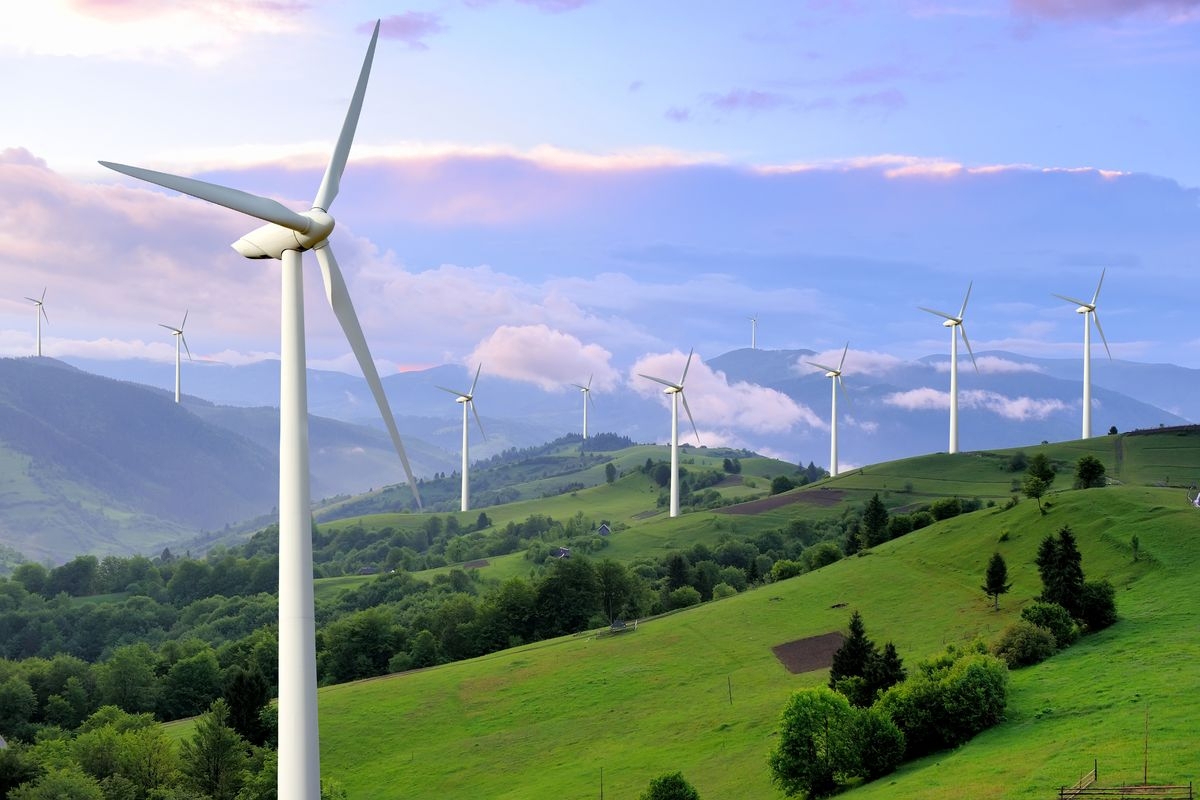
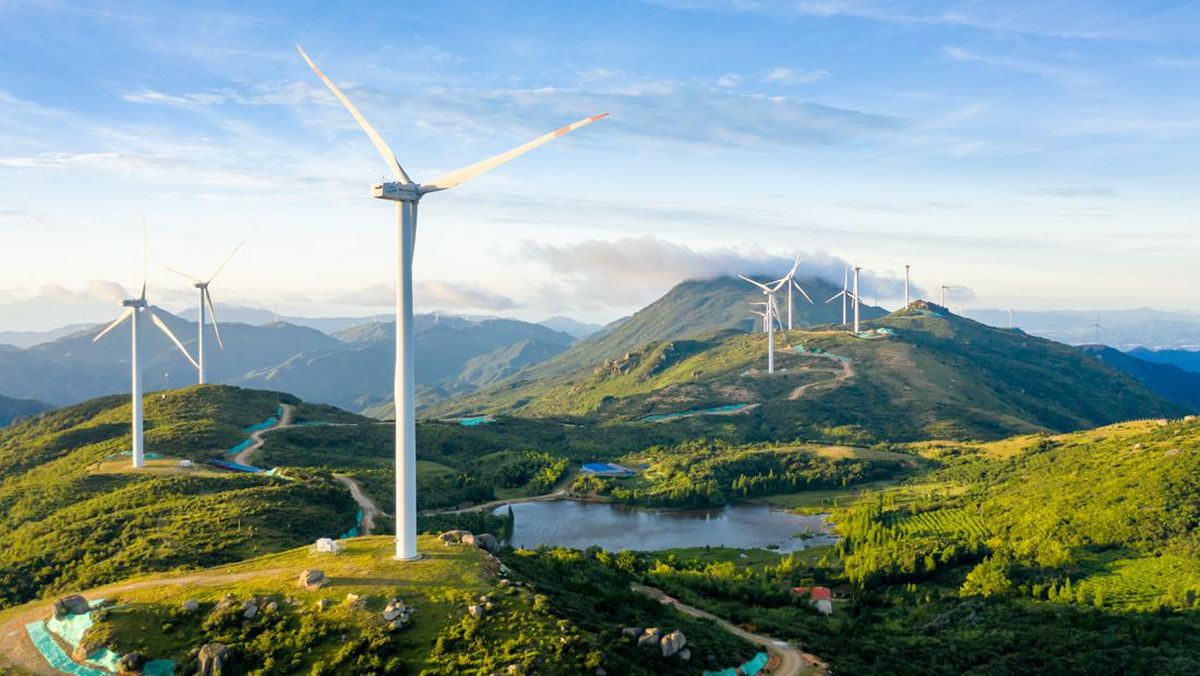
Wind energy uses wind turbines to convert kinetic energy from wind gusts into electricity. These turbines are usually installed in areas with consistent wind speeds, such as coastal areas or open plateaus.
Countries such as Denmark and Germany have made the most of wind potential and made Wind Energy one of their main sources of electricity.
In Indonesia, this potential is also beginning to be developed, especially in eastern regions such as South Sulawesi and Nusa Tenggara.
3. Energi Air (Hydropower Energy)

Water energy, or hydropower, utilizes the flow of water—whether from rivers, reservoirs, or waterfalls—to drive turbines and generate electricity. This technology has long been used in Indonesia through hydroelectric power plants (hydropower).
Hydropower is known as one of the stable and efficient renewable energy technologies. However, the construction of infrastructure such as dams sometimes causes environmental impacts, such as disruption of river ecosystems or relocation of nearby residents.
4. Geothermal Energy (Geothermal Energy)
Geothermal energy comes from heat stored in the Earth’s core. Generally, this energy is harnessed in regions with high volcanic activity—and Indonesia is among the countries with the largest geothermal potential in the world.
Its application can be seen in geothermal power plants (PLTP), which utilize Steam or hot water from inside the earth to drive turbines. PLTP is not only environmentally friendly, but also has a stable energy production capacity throughout the year, independent of the weather.
5. Energi Bioenergi (Biomass Energy)
Bioenergy, or biomass energy, comes from renewable organic materials such as agricultural waste, wood, food waste, to animal waste.
This energy can be used in many forms—burned directly to produce heat, converted into electricity, or processed into liquid fuels such as bioethanol and biodiesel.
Countries like Sweden have proven the successful use of biomass in their energy systems. About 30% of the energy supply in the country comes from biomass, mainly from waste from the Forestry and agricultural industries. In Indonesia, the potential of bioenergy is also great, especially because the availability of raw materials from the agricultural and plantation sectors is very abundant.
6. Energi Laut (Ocean Energy)
Ocean Energy is a form of renewable energy that utilizes the dynamics of the ocean, such as waves, tides, ocean currents, and even the difference in temperature between the surface and depth of the sea (ocean thermal energy).
This technology is still in the development stage in many countries, but it promises great potential—especially for maritime countries like Indonesia.
With a very long coastline and vast ocean, Indonesia has a strategic opportunity to develop marine energy as part of the clean energy transition. Although the technological challenges are still great, the use of marine energy has the potential to be a long-term solution in diversifying national energy sources
7. Energi Hidrogen (Hydrogen Energy)
Hydrogen energy is starting to be talked about as the future of clean energy. Hydrogen can be used as an environmentally friendly fuel because its combustion produces only water vapor, without carbon emissions.
Generally, hydrogen is produced through the process of water electrolysis, that is, the separation of water into hydrogen and oxygen using electricity from renewable sources such as solar or wind energy.
The main advantage of hydrogen energy lies in its ability to be stored and used whenever needed. This makes it a potential solution for storing renewable energy on a large scale—whether for household needs, public facilities, to industry.
Towards a cleaner and More Sustainable Energy Future
Seeing the huge potential of renewable energy in Indonesia and the various benefits it offers—from reducing carbon emissions, creating jobs, to strengthening energy independence—it is time we make renewable energy part of the solution of the future.
The transition to clean energy is not an instant process, but every small step we take today will determine the direction of our future. Whether through harnessing solar energy in homes, supporting green energy policies, or simply spreading the right information about renewable energy, all contributions have their impact.
Let’s create a fairer, more sustainable energy system for future generations.
References:
https://www.sciencedirect.com/journal/renewable-and-sustainable-energy-reviews
https://www.un.org/en/climatechange/what-is-renewable-energy
Featured image: Image of several windmills in the hills / source: Detik