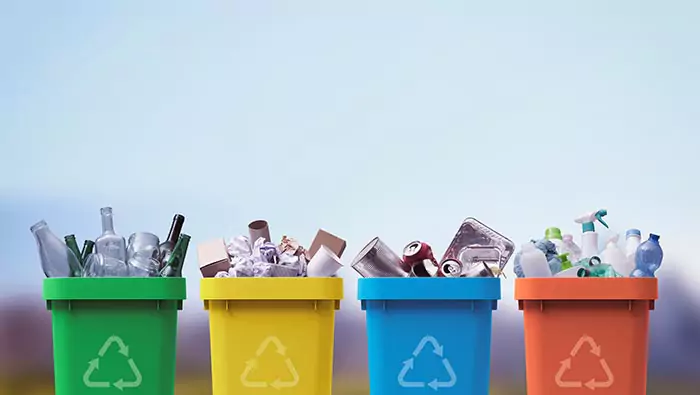
Did you know that humans produce a huge amount of waste every year? Before we go any further, guess what-how much waste is generated around the world each year?
According to data from the World Bank, in 2020 alone, the world produced about 2.24 billion tons of solid waste. This amount is equivalent to the weight of about 6,000 Empire State Building! More worryingly, if there is no change in waste management, this number is expected to increase to 3.88 billion tons by 2050.
Waste itself consists of various types. Each type of waste has its own impact on the environment and human health. Therefore, it is important that we understand how to properly reduce, recycle and manage waste.
Let’s explore more about each type of waste and how we can contribute to reducing its impact on the environment!
Understanding Waste
According to the Ministry of Environment and Forestry (MoEF), waste is the residual material produced from a production process, both industrial and domestic, whose presence is undesirable because it is considered to have no economic value and can pollute the environment.
Meanwhile, the World Health Organization (WHO) defines waste as something that is no longer used, then discarded, and has the potential to cause negative impacts on health and the environment if not managed properly.
In other words, waste is waste or waste that is not used. However, if not managed properly, it can be a threat to the environment and human health. Although many wastes are considered worthless, there are actually various types of waste that can still be recycled and reused for other purposes.
Types of waste
Waste has various characteristics that determine its impact on the environment and the way it is managed.
By understanding the properties of waste, we can be wiser in managing and reducing its impact on the environment. Let’s look at some types of waste in general the following.
1. Based On The Fact That Their Existence
Waste has various characteristics that determine its impact on the environment as well as how it is managed. By understanding the properties of waste, we can be wiser in managing and reducing its impact.
Here are some types of waste by Category:
Solid Waste

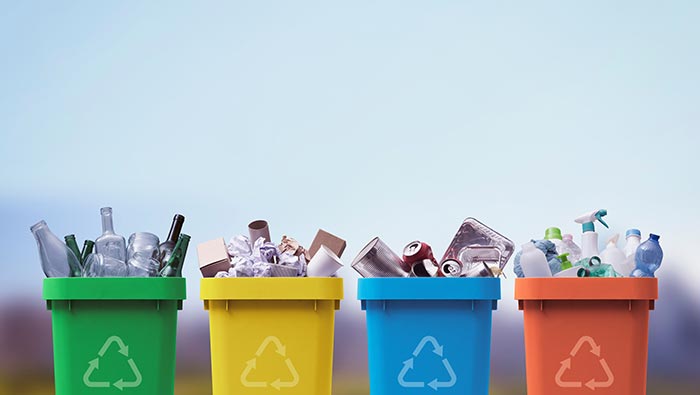
Solid waste is waste in the form of solid or semi-solid objects that are not easily decomposed naturally. Examples include plastic waste, paper, metal, glass, as well as construction waste.
According to the Ministry of Environment and Forestry (MoEF), Indonesia produced about 68.5 million tons of waste in 2022, with 18.5% of it in the form of plastic. Meanwhile, data from the World Bank says about 33% of global waste is solid waste, and most of it is generated from urban areas.
If not managed properly, solid waste becomes a big problem, especially if it accumulates in landfills (TPA). One vivid example of the impact of solid waste can be found in the Citarum River, West Java, which was once known as one of the most polluted rivers in the world due to the accumulation of plastic waste and industrial waste.
In response to these conditions, the government launched the ‘Citarum Harum’ program, an initiative to clean up and restore the river. Although it takes a long time, these efforts have shown progress in improving the condition of the Citarum River.
Liquid Waste

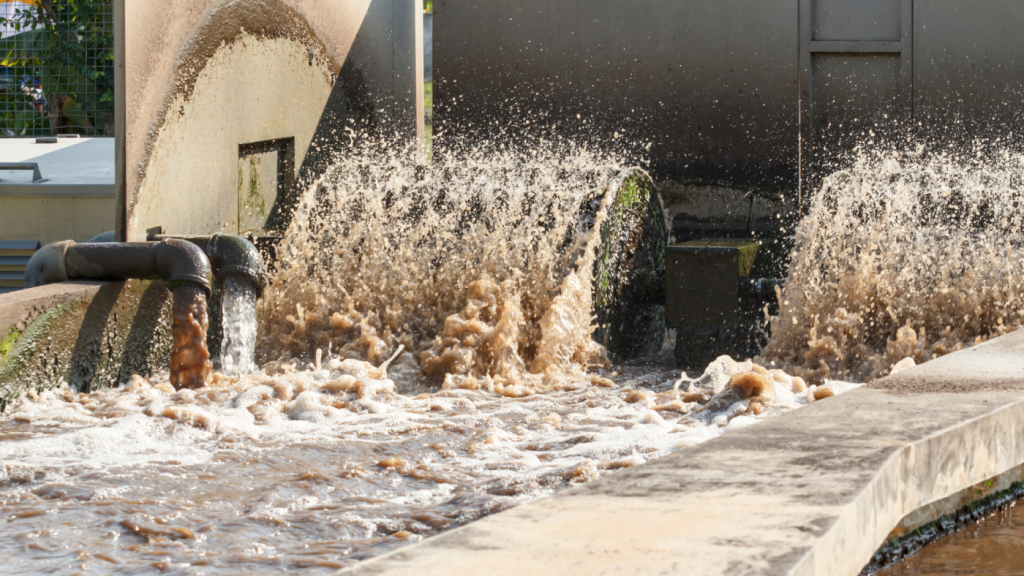
Liquid waste is one of the types of waste that we most often encounter in our daily lives. Examples include domestic wastewater such as used laundry water, soaps, and detergents, as well as industrial waste derived from manufacturing processes and factories.
According to data from the Ministry of Environment and Forestry (MoEF) in 2021, around 70% of industries in Indonesia dispose of liquid waste without going through an adequate treatment process. One of the real impacts of this is pollution in Jakarta Bay, where the discharge of household and industrial waste leads to increased levels of heavy metals that are harmful to the aquatic environment and marine ecosystems.
If not managed properly, wastewater can contaminate groundwater, rivers, and seas, ultimately impacting human health and ecosystem balance.
Waste Gas

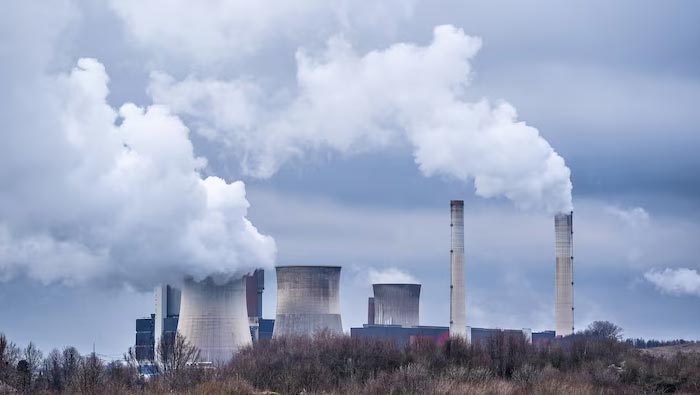
Gaseous waste is a type of waste that takes the form of gaseous substances or small particles in the air, which are often invisible but have a great impact on the environment and human health.
Examples include:
- Carbon emissions from motor vehicles
- Smoke from factories and power plants
- Methane Gas from landfills (TPA)
According to Tempo’s 2022 report, DKI Jakarta recorded the largest contribution to greenhouse gas emissions in Indonesia, with the transportation sector as the main contributor. Air pollution due to this waste gas not only worsens air quality, but also has an impact on public health, such as increasing cases of respiratory diseases.
To reduce gas waste, measures such as switching to environmentally friendly transport, increasing urban greening and tightening regulation of industrial emissions are needed. By joint efforts, we can reduce the negative impact of waste gases on the environment and health.
2. Waste By Source
Waste can be categorized by source, and there are at least seven types of waste according to the source. Here are some of them:
Domestic Waste
Domestic waste is waste that comes from household activities, such as food waste, kitchen waste, plastic, and wastewater from laundry.
According to the Ministry of Environment and Forestry (MoEF) in 2020, Indonesia produces around 67.8 million tons of domestic waste annually. This figure is very large, but it can be suppressed if the community is more active in sorting and recycling waste.
One example of a successful domestic waste management program is the’ waste Bank ‘ in Surabaya. This Program encourages people to sort waste and Exchange it for money or groceries. Thanks to this program, Surabaya has managed to reduce waste deposits by 30% in recent years.
Industrial Waste
Industrial waste is waste resulting from the production process in a factory or manufacturing plant. Its types are very diverse, include:
- Liquid waste: chemical residues from the textile, pharmaceutical, or other manufacturing industries.
- Solid waste: leftover metal, plastic, or construction materials from the production process.
- Waste gases: carbon emissions, factory fumes, or toxic gases resulting from industrial processes.
In fact, the textile industry sector in Indonesia produces about 2.3 million tons of waste annually, and most of it has not gone through a proper treatment process. Industrial waste generally contains hazardous and toxic materials (B3), so it requires special handling so as not to pollute the environment.
In order to reduce the negative impact of industrial waste, enterprises need to implement more environmentally friendly waste treatment systems, such as recycling of production waste and the use of environmentally friendly technologies in the manufacturing process.
Medical Waste

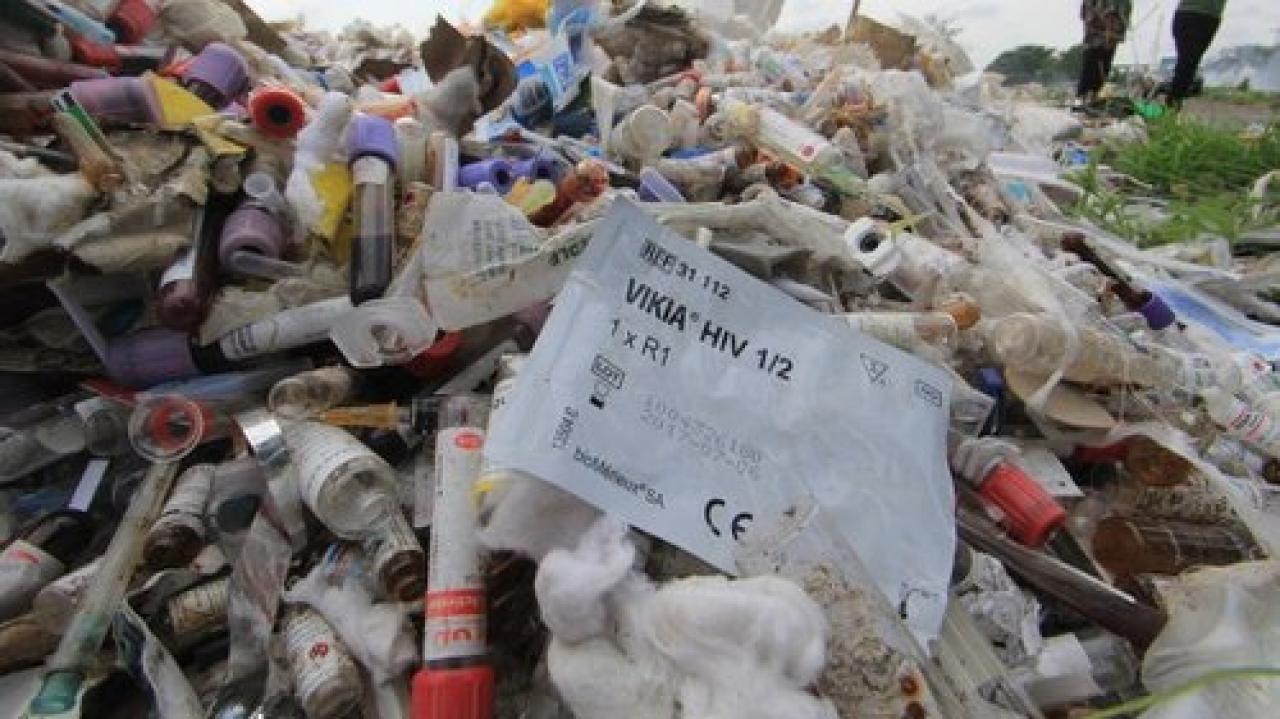
Medical waste or infectious waste is waste generated from health facilities, such as hospitals, clinics, laboratories and pharmacies. Examples include used syringes, used bandages, disposable gloves, as well as expired medicines. This waste belongs to the category of hazardous and toxic materials (B3) because it can transmit diseases and pollute the environment if it is not properly managed.
During the COVID-19 pandemic, the amount of medical waste in Indonesia increased drastically. The Ministry of Environment and Forestry (MoEF) noted that medical waste increased by 500% compared to the previous year. Disposable masks, personal protective equipment (PPE), and other disposable medical equipment are the main contributors to this increase in waste.
To deal with this problem, some hospitals in Jakarta are starting to use incinerator technology, which is a special combustion method to destroy medical waste with high temperatures, so as to reduce the risk of environmental pollution.
Agricultural Waste
Agricultural waste comes from agricultural and plantation activities, including crop residues, straw, rice husks, fertilizers, and pesticides. If not managed properly, these wastes can cause soil and water pollution, as well as contribute to changes in ecosystems.
According to a report from the Food and Agriculture Organization (FAO), about 20-30% of global agricultural crops end up as waste. This figure shows that there are still many potential agricultural products that can be utilized, both as animal feed, organic fertilizer, and bioenergy raw materials.
Electronic Waste (E-Waste)
Electronic waste or e-waste consists of electronic items that are not used, such as broken cell phones, used laptops, televisions, batteries, and other electrical devices. This waste contains hazardous materials such as mercury, lead, and cadmium, which can pollute the environment and harm human health if disposed of carelessly.
However, e-waste also has a high economic value because it contains precious metals such as gold, silver, and copper that can be recycled.
In Bali, there is a community called ‘E-Waste RJ’ which takes the initiative to collect electronic waste from the community, then process it into valuable items. In addition, they also educate the public about the dangers of disposing of e-waste carelessly. This step should be appreciated and can be an inspiration for other regions in managing electronic waste more responsibly.
Construction Waste
Construction waste is generated from building and renovation projects, such as leftover concrete, wood, iron, brick, and glass. These wastes usually accumulate in large quantities and are difficult to decompose naturally, thus contributing to environmental pollution and the crisis of landfills.
To overcome this problem, the construction industry began to implement the concept of recycling building materials, such as reprocessing used concrete and wood for other projects, and using environmentally friendly building materials that are easier to decompose.
Marine Waste
Marine waste is waste that ends up in ocean waters, especially plastic waste, used fishing nets and industrial waste that pollute marine ecosystems.
According to data from Jambeck Research Group in 2015, Indonesia is the second largest contributor of plastic waste to the sea in the world after China, with about 620 thousand tons of plastic waste per year. Plastic waste that pollutes the ocean can harm marine life, such as fish, turtles, and seabirds that accidentally eat plastic or get entangled in garbage.
To address this problem, the government and various environmental organizations continue to campaign for the reduction of the use of single-use plastics, beach cleaning, and Waste Management based on a circular economy.
3. Waste By Their Nature
Waste can also be categorized based on its nature, namely whether the waste is easily decomposed, difficult to decompose, or harmful to the environment and human health. Here are three main types of waste by their nature:
Organic Waste
Organic waste is waste that can be decomposed naturally by microorganisms in a relatively short time. For example, food waste (vegetables, fruits, eggshells), dried leaves and twigs, and agricultural waste (straw, bagasse).
One of the best solutions in dealing with organic waste is to compost. The composting process allows organic waste to be reprocessed into natural fertilizers that can be used to fertilize the soil and reduce environmental pollution.
Inorganic Waste
Inorganic waste is waste that is difficult to decompose naturally and takes tens to hundreds of years to decompose in the environment. Examples include plastic (bottles, plastic bags, styrofoam), glass (glass bottles, broken windows), metal (cans, aluminum, scrap metal).
In fact, single-use plastics take up to 450 years to decompose in nature. Therefore, it is important for us to reduce the use of plastic as well as support the ‘green living‘ movement, such as using cloth shopping bags instead of plastic bags, recycling plastic bottles and packaging, reusing inorganic items so that they do not become waste.
B3 waste (hazardous and toxic materials)
B3 waste (hazardous and Toxic Materials) is a type of waste that contains toxic, corrosive or flammable substances, which can harm human health and pollute the environment.
Examples include used batteries (containing mercury and lead), pesticides (containing chemicals toxic to soil and water), medical waste (used syringes, expired drugs), and chemical industry waste (asbestos, organic solvents)
B3 waste requires special handling so as not to pollute the environment. For example, used batteries should be collected and recycled in B3 waste treatment facilities, not thrown away carelessly.
4. Waste By Hazard Level
Waste can also be categorized based on the level of danger, namely whether the waste is relatively safe or has the potential to damage the environment and human health. Here are the two main types of waste based on their hazard level:
Non-Hazardous Waste (Non-B3)
Non-B3 waste is waste that does not contain toxic or harmful substances, so it is relatively safer for the environment. These wastes can generally be decomposed naturally or recycled without causing significant impacts. For example, Sisa food, waste paper, dry leaves and twigs.
Although non-B3 waste is not harmful, improper management can still lead to accumulation of waste in landfills,so it is important to apply the principles of reduce, Reuse , and recycle .
Hazardous Waste (B3)
B3 waste (hazardous and toxic materials) contains chemicals or materials that have the potential to damage the environment and endanger human health. Examples:
- Electronic waste (e-waste): used batteries, broken cell phones, and electronic devices containing mercury and lead.
- Industrial chemical waste: organic solvents, paints, and other chemicals that can cause soil and water pollution.
- Medical waste: used syringes, expired drugs, and medical devices that have the potential to transmit diseases.
B3 waste must be managed with special procedures, such as treatment in hazardous waste facilities, incineration, or recycling in appropriate places, so as not to pollute the environment.
Cover
Well, buddy # KonservasYIARI, those are the different types of waste that are around us. Each type of waste has its own challenges and solutions in its management.
Waste is indeed one of the great challenges for the environment, but with proper management, its impact can be significantly reduced. Therefore, it is important for us to start from ourselves, by reducing waste production, sorting waste, and supporting recycling programs.
Let’s, together keep the environment clean and sustainable for future generations!
References:
https://www.reelpaper.com/blogs/reel-talk/types-of-waste
Featured image: types of waste / Mutu International