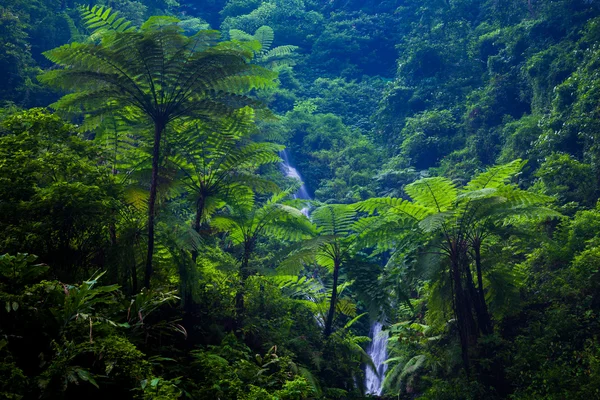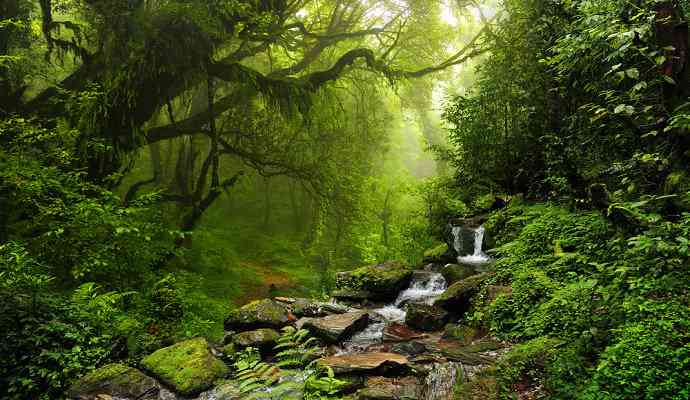
Have you ever imagined walking in the middle of a lush forest, surrounded by giant trees, the sound of birds singing, and the fresh scent of moist soil? Such is the charm of heterogeneous forests, one of the most rich and amazing ecosystems in the world.
Not just a collection of trees, this forest is home to thousands of species of flora and fauna, as well as an important role in maintaining natural balance.
What, then, exactly makes heterogeneous forests so special? How does it differ from a homogeneous forest?
Come on, check out more and discover the uniqueness and amazing benefits of this ecosystem!
Definition Of Heterogeneous Forest
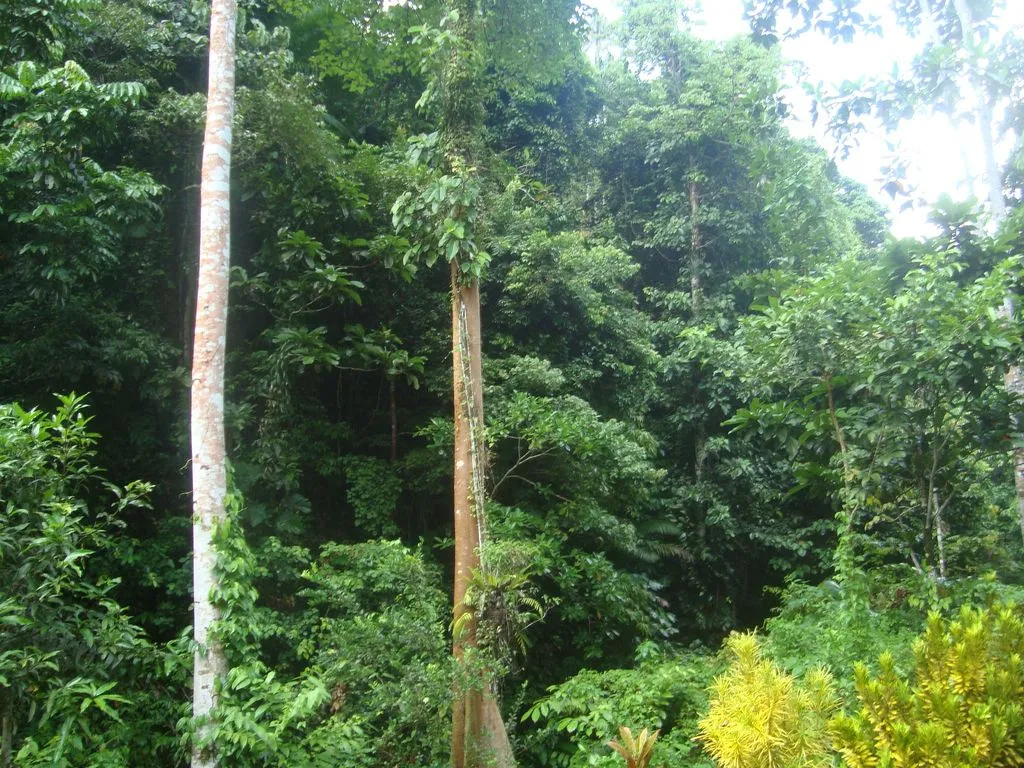
Heterogeneous forests, as the name implies, are forests that have high plant diversity. This forest consists of various types of vegetation, ranging from large trees, bushes, to small plants and epiphytes (Indonesian Forest Service, 2024).
Unlike homogeneous forests dominated by one type of plant, heterogeneous forests are ecosystems rich in flora and fauna. This diversity creates a complex forest structure and supports a high ecological balance.
Heterogeneous forests are found in many tropical regions, including Indonesia. As an archipelagic country with more than 17,000 islands, Indonesia has one of the richest heterogeneous forests in the world. The forest is home to a variety of endemic species, such as Rafflesia arnoldii and the Sumatran tiger, which cannot be found anywhere else.
The peculiarity of heterogeneous forests lies in the complexity of their structure. In one small area alone, up to 300 different tree species can be found! This is very different from homogeneous forests, which usually have only one or two dominant tree species (Journal of Tropical Ecology, 2023).
Benefits Of Heterogeneous Forests
Heterogeneous forests have a very important role for life on Earth. In addition to providing stunning natural scenery, this forest also provides a variety of outstanding ecological, economic, and social benefits.
Here are some of the main benefits of heterogeneous forests:
1. Preserving biodiversity
Heterogeneous forests are home to thousands of species of flora and fauna. Indonesia alone has more than 10% of the world’s plant and animal species that live in heterogeneous tropical forests.
This diversity is important for the balance of ecosystems, while being a valuable asset for scientific research, the development of medicines and the conservation of rare species.
2. Sequester carbon and fight climate change
Tropical forests, consisting mostly of heterogeneous forests, absorb about 30% of global carbon emissions annually. Diverse vegetation in these ecosystems has a greater ability to absorb carbon than homogeneous forests.
Therefore, preserving heterogeneous forests is very important in efforts to reduce the effects of climate change and global warming.
3. Regulating the water cycle and protecting clean water sources
Heterogeneous forests play a role in absorbing, storing and distributing rainwater, thus helping to regulate the water cycle naturally. In addition to preventing floods and droughts, this process also maintains the availability of groundwater which is a source of clean water for the surrounding community.
4. Prevent soil erosion
The roots of plants that vary in heterogeneous forests are able to firmly bind the soil, thereby preventing erosion and landslides. According to the FAO report (2022), areas that lose forest cover often experience severe soil degradation, which ultimately negatively affects agricultural productivity and food security.
5. Sustainable economic resources
Heterogeneous forests provide a variety of natural resources, such as high-quality wood, rattan, resin, to traditional medicines. With sustainable management, these resources can be utilized without harming the ecosystem. The ecotourism industry in forest areas also provides economic benefits to local communities.
6. Important Habitat for rare and endemic species

As mentioned earlier, Indonesia’s heterogeneous forests are home to many rare species. An example is Ujung Kulon NationalPark, which is home to the Javan rhinoceros, one of the most endangered species in the world. The existence of heterogeneous forests is essential for the survival of these rare animals.
7. Natural tourism facilities
Heterogeneous forests offer great natural beauty, making them ideal places for nature tourism and ecotourism. In addition to providing recreational benefits, ecotourism in this forest area also contributes to the local economy, while increasing public awareness of the importance of Environmental Conservation.
Features of heterogeneous forests

Heterogeneous forests have distinctive characteristics that distinguish them from homogeneous forests. The main difference lies in the high diversity of flora and fauna and the complex structure of the ecosystem.
Here are some of the main characteristics of heterogeneous forests:
1. High species diversity
Heterogeneous forests consist of different types of trees, plants, and Wildlife. In one small area, hundreds to thousands of species can coexist, creating a balanced and interdependent ecosystem.
According to the Journal of Biodiversity Conservation report (2022), a heterogeneous tropical forest in Borneo has more than 300 tree species per hectare. This high diversity makes heterogeneous forests the center of World biodiversity.
2. Diverse vegetation structure
Heterogeneous forests have a complex vegetation structure, consisting of several different layers of vegetation, including:
- Upper canopy: tall trees that form the roof of the forest and shade the layers below.
- Middle layer: medium trees and large shrubs that are habitat for various species of birds and small mammals.
- Undercoat: consists of small plants, lichens, fungi, as well as various herbs that grow on the forest floor.
This layered arrangement creates an ideal habitat for a variety of species, from fruit-eating birds to small insects that play a role in the ecosystem.
3. Habitat for various species
Heterogeneous forests are home to diverse animal species, including birds, mammals, reptiles, amphibians, and insects. The layered vertical structure allows a given species to occupy an area that suits its needs.
For example, fruit-eating birds are more common in the canopy layer, while small mammals such as deer or anteaters tend to live on the forest floor. This diversity makes heterogeneous forests a very dynamic habitat.
4. Complex ecological interactions
Heterogeneous forests have ecological systems that are interconnected and dependent on each other. This complex ecological network makes heterogeneous forests a system capable of surviving and regenerating naturally.
Some examples of ecological interactions that occur in it are:
- Symbiosis between plants and animals: some plants utilize animals to aid in pollination and seed dispersal.
- Balanced food chains: species diversity creates stable predator-prey relationships.
- The role of large trees as protectors: tall trees provide shade for small plants and keep the environment moist.
Examples of heterogeneous forests in Indonesia

Indonesia has tremendous natural wealth, including heterogeneous forests spread across various regions. These forests play an important role in maintaining the balance of the ecosystem as well as being home to various species of flora and fauna.
Here are some examples of heterogeneous forests in Indonesia:
1. Tropical rainforest in Borneo
The tropical rainforest in Kalimantan is one of the largest heterogeneous forests in Indonesia. This area is often referred to as the’ lungs of the world ‘ because it stores millions of tons of carbon and is a habitat for rare species such as the Bornean orangutan (Pongo pygmaeus) and proboscis monkey (Nasalis larvatus).
According to WWF Indonesia data (2023), this forest has more than 15,000 plant species, making it one of the regions with the highest biodiversity in the world.
2. Mount Leuser National Park, Sumatra
Located on the border of Aceh and North Sumatra, Gunung Leuser National Park is one of the most important conservation areas in Indonesia. This heterogeneous forest is home to key species such as the Sumatran tiger (Panthera tigris sumatrae), Sumatran elephant (Elephas maximus sumatranus), and Sumatran rhinoceros (Dicerorhinus sumatrensis).
In addition, this area also serves as a catchment area that supports the lives of millions of surrounding residents.
3. Lorentz National Park, Papua New Guinea
As the largest heterogeneous forest area in Southeast Asia, Lorentz National Park covers a very diverse ecosystem, from the lowlands to the snowy peaks of the Jayawijaya Mountains.
In 1999, UNESCO designated this area as a World Heritage Site due to the uniqueness of its ecosystem. Some of the species that live here include Birds of paradise that became the icon of Papua and tree kangaroos (Dendrolagus sp.), a unique mammal found only in this region
4. Dieng Mountain Forest, Central Java
Although smaller in size than tropical forests in Kalimantan or Sumatra, forests in the Dieng Mountains remain examples of heterogeneous forests with distinctive biodiversity.
In this area, you can find various endemic plant species as well as rare fauna such as the Javanese Eagle (Nisaetus bartelsi), which is currently endangered.
5. Sulawesi Tropical Rainforest
The forests of Sulawesi have a unique diversity of species due to their geographical isolation. Some endemic animals found only in this region include:
- Anoa (Bubalus sp.), a small relative of the Buffalo
- Babirusa (Babyrousa sp.), mammals with uniquely curved tusks
- Tarsius (Tarsius sp.), small-sized nocturnal primates
The Importance Of Preserving Heterogeneous Forests
Heterogeneous forests have a vital role in maintaining the balance of the environment and human life. From sequestering carbon to providing natural resources, the benefits are vast and irreplaceable.
However, these forests face various threats such as deforestation, land encroachment, and climate change. Therefore, sustainable conservation and management efforts are needed so that heterogeneous forests are maintained for future generations. By raising awareness and participating in environmental conservation, we can help sustain these forests for a greener and healthier future!
Featured image: illustration of heterogeneous Forest / Ruangguru