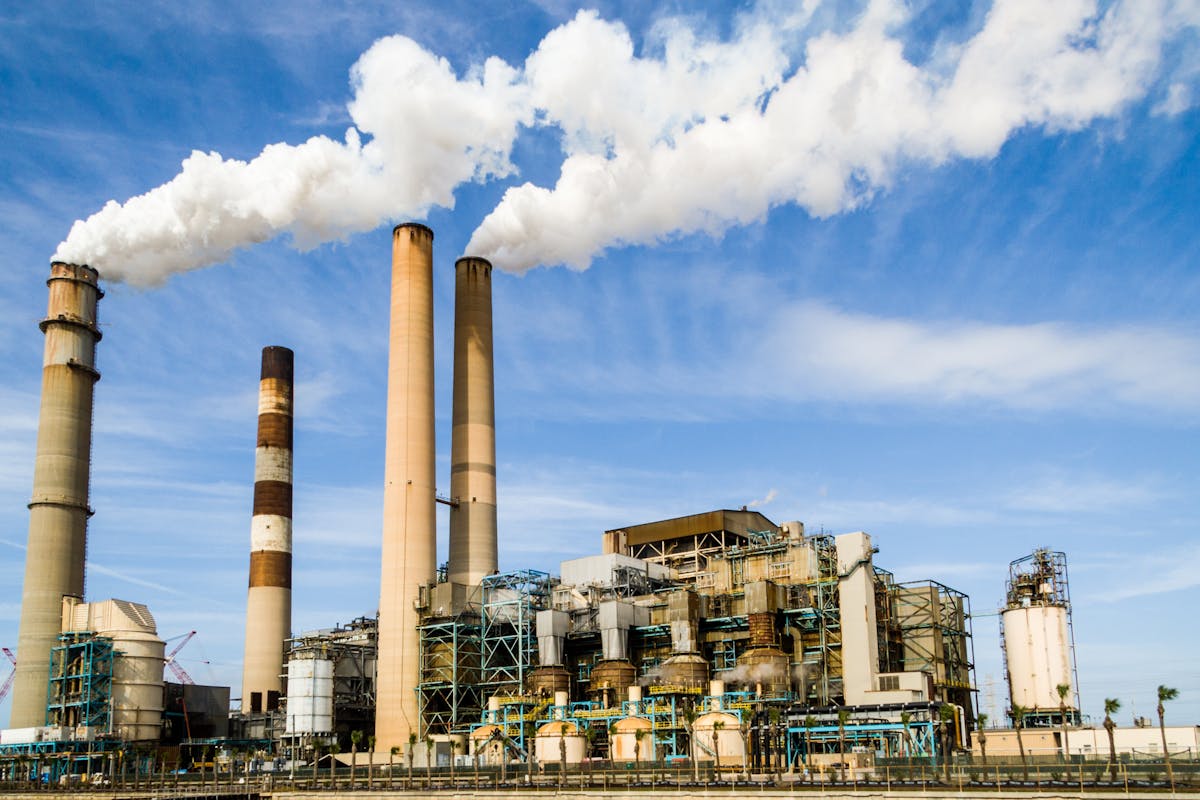
Is Air Pollution Getting Worse? Here Are the Causes and 11 Ways to Overcome It
Have you ever felt chest tightness, stinging eyes, or dizziness when breathing the air around us? This condition often occurs when air quality is poor.
Unfortunately, much of the air pollution stems from daily activities that are difficult to avoid, such as traffic congestion, industrial emissions, and household waste burning.
This issue is not just about our discomfort. According to the IQAir World Air Quality Report 2023, Indonesia remains one of the countries with high levels of air pollution globally.
So, what can we do to reduce air pollution? Let’s explore the various causes and concrete steps we can take together to keep the air quality healthy.
Causes of Air Pollution
To address air pollution effectively, we first need to understand what causes it. Pollution does not just appear out of nowhere; there are various sources that contribute to it, ranging from daily human activities to natural factors.
Here are some of the most common causes of air pollution:
1. Motor Vehicle Emissions
In large cities, motor vehicles are one of the primary contributors to air pollution. Cars, motorcycles, buses, and trucks that use fossil fuels produce exhaust gases that can degrade air quality.
According to data from the Ministry of Environment and Forestry (KLHK) in 2024, the transportation sector contributes approximately 70% of total greenhouse gas emissions in urban areas. The denser the traffic, the higher the level of pollution.
2. Industry and Factories
Production processes in industrial areas can also release various pollutants into the air. Some of these include sulfur dioxide (SO₂), nitrogen oxides (NOx), and fine particles such as PM2.5 and PM10.
If these emissions are not managed properly, these pollutants can affect the air quality in the surrounding areas.
3. Open Waste Burning
An example of air pollution that often occurs around us is the habit of burning trash. Although it may seem simple, this activity can release various hazardous compounds into the air and impact our health.
Unfortunately, the practice of burning waste is still quite common in various regions.
4. Mining and Construction Activities
Activities such as soil excavation, drilling, and material transport can generate large amounts of dust and fine particles. If not properly controlled, this dust can spread to the surrounding environment and degrade air quality.
5. Forest and Land Fires (Karhutla)
Forest and land fires are also a major cause of air pollution in Indonesia, particularly on the islands of Sumatra and Kalimantan.
According to data from Global Forest Watch, in 2023, Indonesia lost more than 292,000 hectares of forest due to fires, which directly impacted regional air quality.
When forest and land fires occur, the resulting smoke can spread widely and degrade air quality in other regions. This is what often leads to the emergence of haze in several areas.
6. Natural Sources
In addition to human activities, natural factors can also affect air quality, such as volcanic eruptions or dust storms. However, their impact is usually temporary and limited to specific areas.
Read also:
- 10 Impacts of Climate Change on Human Life and the Environment
- Air Pollution: Definition, Impacts, and How to Reduce It
Impacts of Air Pollution

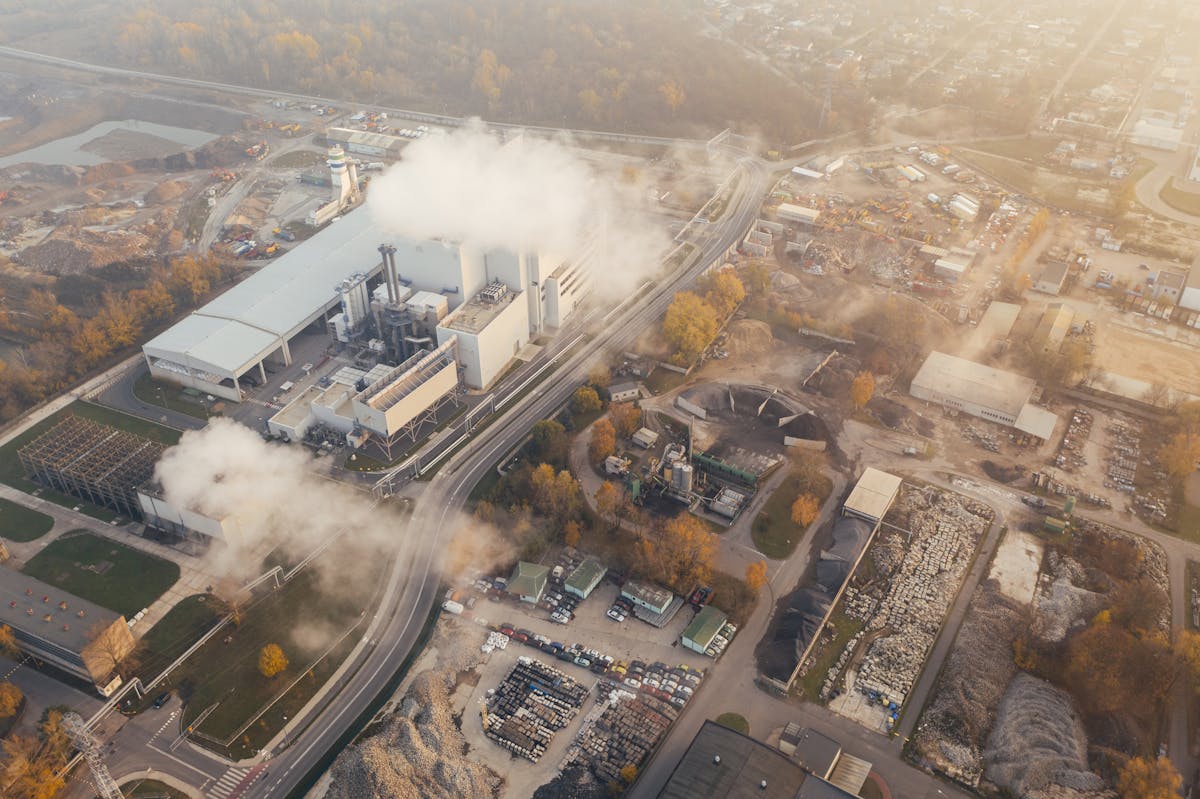
When the air we breathe every day is polluted, the impact is not only felt in terms of health. Air pollution can also affect the environment, the climate, and even economic conditions. Here are some of the main impacts we need to be aware of:
1. Serious health problems
Short-term exposure to air pollution can cause irritation to the eyes, nose, and throat. However, if it occurs continuously, the impact can be much more serious. Air pollution is known to be linked to various diseases such as asthma, chronic bronchitis, heart disease, and stroke.
The World Health Organization (WHO) even estimates that approximately 7 million people die each year due to exposure to air pollution, both from outdoor and indoor air.
2. Environmental and ecosystem damage
Pollutants such as nitrogen oxides (NOx) and sulfur dioxide (SO₂) can trigger acid rain. This phenomenon can damage plants, degrade soil quality, and contaminate rivers and lakes.
In addition, pollutants such as ground-level ozone (O₃) can also attach to plant leaves and disrupt the photosynthesis process. If this occurs continuously, it can inhibit the growth of food crops and potentially reduce agricultural yields.
3. Exacerbating climate change
Some types of air pollutants also act as greenhouse gases, such as carbon dioxide (CO₂) and methane (CH₄). When these gases accumulate in the atmosphere, solar heat becomes trapped and triggers global warming.
As a result, the climate crisis worsens and triggers various extreme weather phenomena such as floods, droughts, and increasingly unpredictable storms.
4. Economic losses
The impact of air pollution is also felt in the economic sector. Bappenas once estimated that the economic losses due to air pollution in Jakarta reached approximately IDR 51.2 trillion per year.
Globally, the World Bank also estimates that economic losses due to air pollution reach more than USD 5 trillion annually, primarily due to rising healthcare costs and declining work productivity.
Polluted air can make people more susceptible to illness, reduce concentration, and increase absenteeism in the workplace.
11 Ways to Overcome Air Pollution
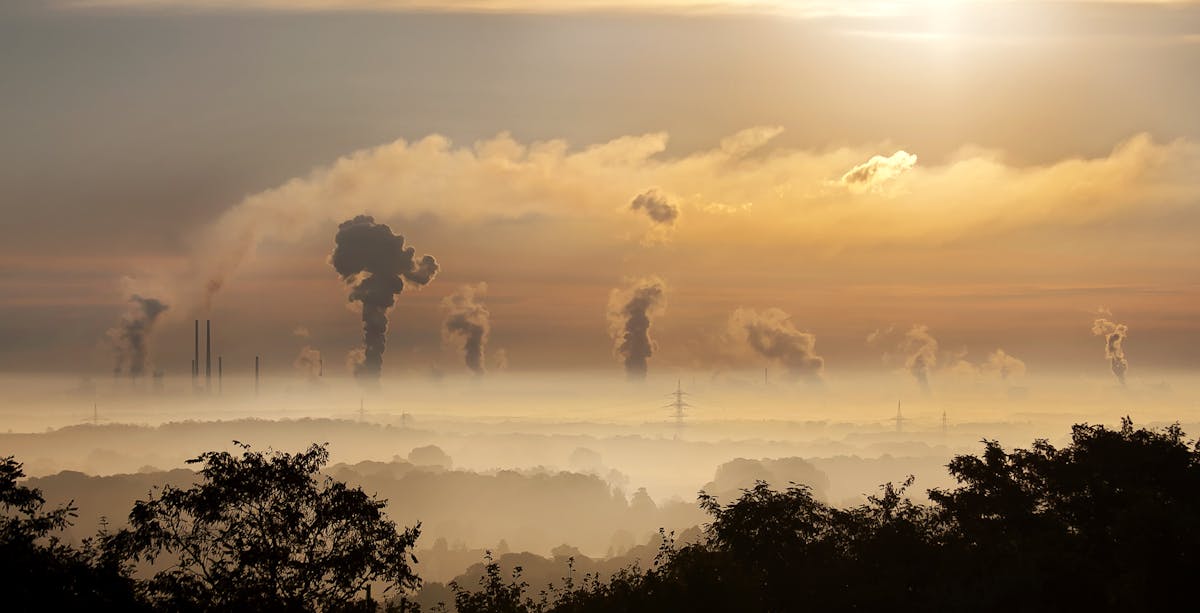
Tackling air pollution cannot rely on just one party. It requires cooperation between individuals, communities, industries, and the government. Here are some effective steps we can take together to address air pollution:
1. Reducing the use of private vehicles
One of the most effective steps is to reduce the use of private vehicles. We can start by choosing more environmentally friendly modes of transportation, such as:
- using public transportation
- cycling for short distances
- walking whenever possible
In addition to helping curb vehicle emissions, this method can also reduce traffic congestion in urban areas.
The Greater Jakarta Transport Authority (BPTJ) estimates that if about 10% of private vehicle users in Jakarta switch to public transportation, carbon dioxide (CO₂) emissions could be reduced by up to approximately 30,000 tons per year.
2. Using renewable energy at home
Using cleaner energy can also help suppress air pollution. Some steps that can be taken at home include:
- installing solar panels
- using energy-efficient electrical appliances
- reducing unnecessary electricity consumption
These efforts can lower dependence on fossil-fuel-powered plants, especially coal-based power plants (PLTU), which remain one of the sources of emissions in Indonesia.
3. Planting trees and increasing green open spaces
Trees play a crucial role in maintaining air quality because they are able to absorb carbon dioxide and produce oxygen. Furthermore, green open spaces also help lower temperatures in urban areas and improve environmental quality.
According to the Arbor Day Foundation, one mature tree can absorb about 48 pounds of CO₂ each year. A well-known example is the City of Surabaya, which is actively developing city parks, urban farming, and vertical gardens to help improve the quality of the urban environment.
4. Avoiding open waste burning
Burning trash may seem like a quick way to reduce piles of waste. However, this practice actually releases various harmful substances into the air, including dioxins, which are dangerous to health.
By reducing the amount of waste burned, the air quality in the surrounding environment can also be maintained.
As an alternative, we can start applying the 3R principle, which is:
- Reduce: reducing the use of single-use items
- Reuse: reusing items that are still in good condition
- Recycle: recycling waste so it can be utilized again
5. Supporting more environmentally friendly industries
The role of industry is also very important in efforts to reduce air pollution.
In Indonesia, several industrial sectors have begun to adopt more environmentally friendly technologies, including production processes designed to reduce emissions and waste.
Companies can suppress emissions by implementing various measures, for example:
- installing pollutant filtering technology (scrubbers)
- improving energy efficiency
- switching to cleaner production processes
6. Check vehicle emissions periodically
The DKI Jakarta Provincial Government has started implementing a motor vehicle emission test policy. Vehicles that do not pass the test may be subject to disincentives, such as higher parking fees.
This policy aims to encourage vehicle owners to be more responsible for the emissions produced. By routinely performing emission tests, we can also ensure that vehicles remain in good condition and do not produce excessive pollution.
7. Use more environmentally friendly household appliances
In some areas, wood or charcoal-fueled stoves are still used for cooking. In fact, smoke from such combustion can lower indoor air quality and increase the risk of respiratory problems.
Some simple steps that can be taken include:
- switching to LPG stoves or electric stoves
- reducing the use of aerosol products
- avoiding VOC-based paints or cleaning agents
As an alternative, we can also use natural cleaning ingredients such as vinegar, lemon, and baking soda. These small steps can help reduce indoor air pollution.
8. Participate in environmental campaigns or actions
Public awareness is a key factor in overcoming air pollution. As more people care and get involved, the pressure to improve environmental policies will also become stronger.
Several communities and organizations in Indonesia are actively educating the public about air quality, such as Nafas Indonesia and Earth Hour Indonesia.
Joining campaign activities, public discussions, or environmental actions can help broaden the impact of change.
Read also:
9. Using air quality monitoring tools

Nowadays, more and more people are using personal air quality sensors to monitor environmental conditions around them. This data can help increase awareness while encouraging transparency in air quality information.
Some devices are even capable of displaying data in real-time, such as air quality monitoring tools from AirVisual. With more open data, the public can also be more active in pushing for policies that favor the environment.
10. Increasing public awareness
Efforts to overcome air pollution also need to be supported by continuous education. Information about the dangers of air pollution can be disseminated through:
- social media
- community activities
- school or campus environments
In addition, simple steps such as reducing the use of single-use items can also help curb pollution if done collectively.
11. Supporting and overseeing government policies
Beyond changes at the individual level, public policy also plays an important role in controlling air pollution.
One regulation that governs this is the Regulation of the Minister of Environment and Forestry Number P.14/MENLHK/SETJEN/KUM.1/7/2020 concerning Air Pollution Control.
With strong public participation, environmental policies do not just stop as rules on paper. The public has an important role to:
- know the applicable policies
- participate in overseeing their implementation
- encourage the government to ensure these policies are truly implemented in the field
Clean Air is Our Right
Air pollution is indeed a complex problem, but that does not mean there is no solution. Every small step we take can have a significant impact. Starting from choosing more environmentally friendly transportation, reducing waste burning, to helping advocate for policies that favor the environment.
Because in the end, clean air is not just a necessity, but also a right for all living beings. So, let’s start with ourselves and encourage those around us to help maintain air quality.
The blue sky we enjoy today can be a valuable legacy for generations to come!