In the midst of efforts to improve food security and community welfare, the use of yard land is more creative. One of the innovations that began to be implemented was the assistance of free-range chicken livestock-not only to meet the nutritional needs of the family, but also as a promising business opportunity.
Entering early 2025, Gapoktan Wanatani Lestari (KWT), one of YIARI’s assisted gapoktans, built a chicken coop from local bamboo. The Program has three main goals: provide a more accessible source of protein, increase family income, and produce organic fertilizer for horticultural crops.
Then, how is this assistance carried out? Come on, look further!
Building A Chicken Coop In Mutual Cooperation

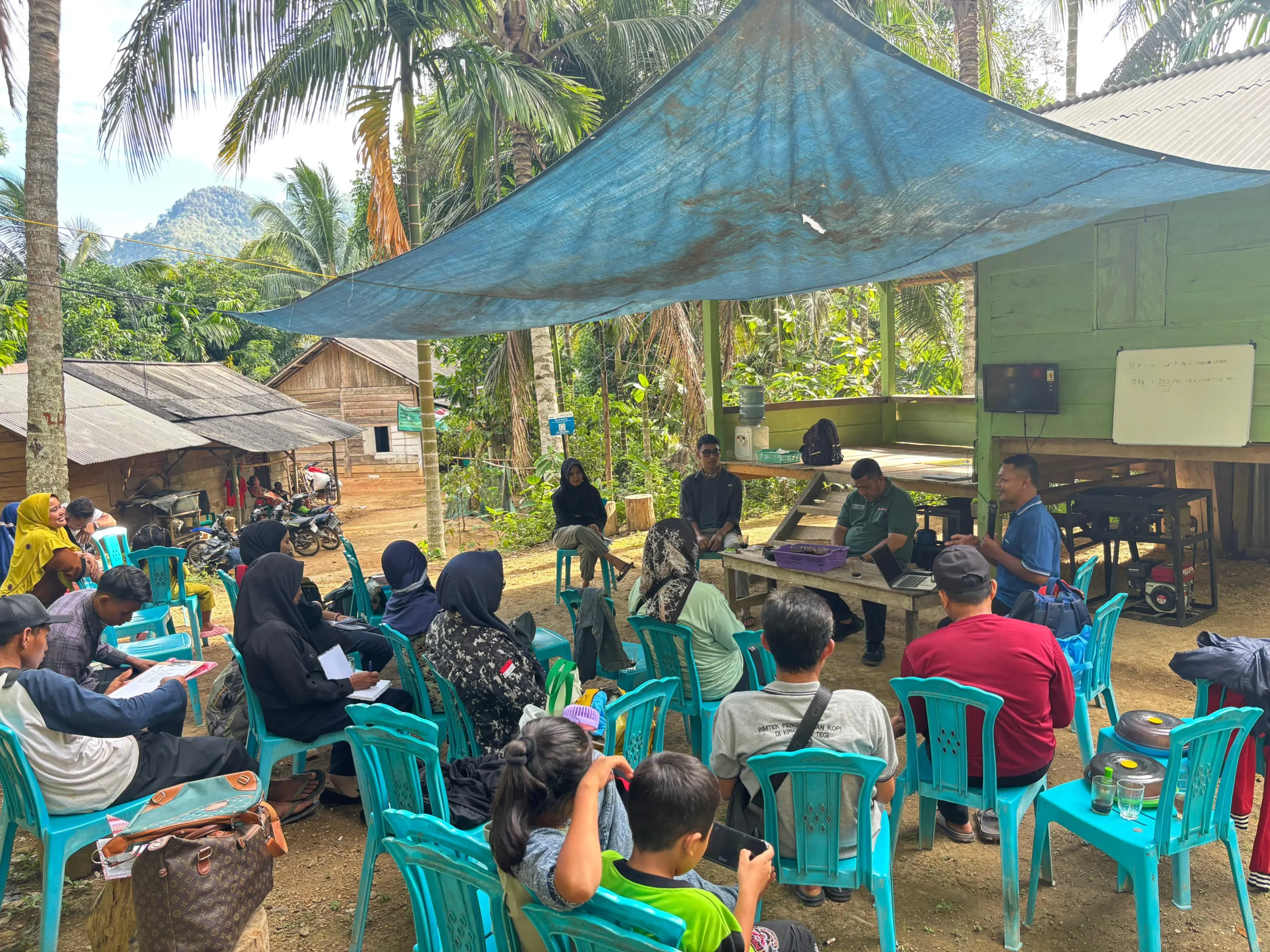
The Gapoktan Wanatani Lestari farmer women’s group at KPH Batutegi, Lampung, utilizes the land in their yard by implementing an integrated farming system. In addition to cultivating horticultural crops, this group is now developing a free-range chicken farming business as part of a farming diversification strategy.
The technical planning of this program has been started since the end of December 2024 and began to be implemented in the first week of January 2025. The first step was the construction of a chicken coop, which was facilitated by the IAR Indonesia Foundation (YIARI) with the active support of the local farming community. As a form of independence, members of the farmer group independently collect local bamboo to be used as the main material for the walls and floor of the cage.
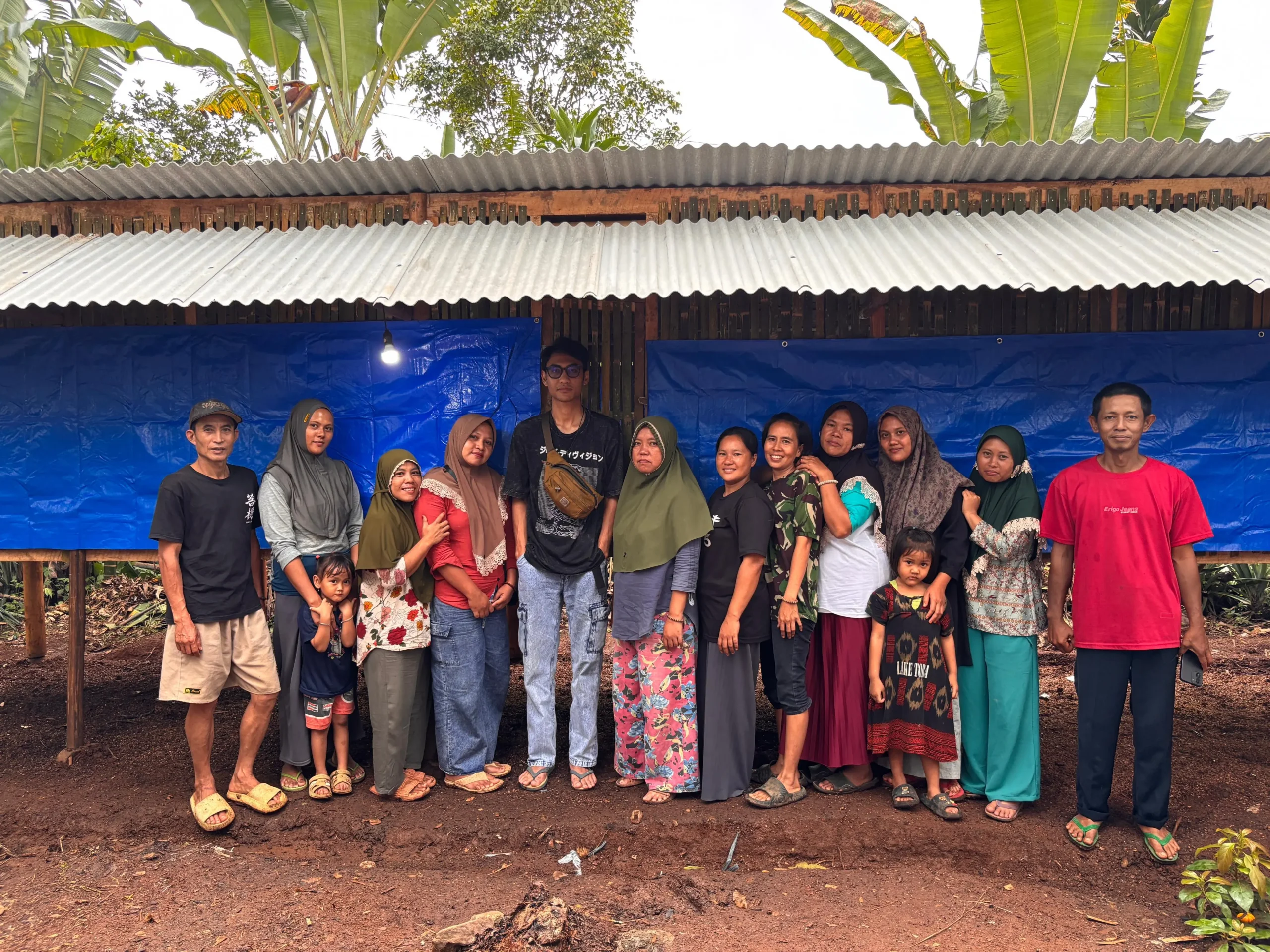
In the spirit of mutual cooperation, the husbands of members of the farmer group participated in the construction of a chicken coop measuring 11 x 2 meters. This effort is expected to improve the welfare of group members through optimal utilization of local resources and encourage food security at the household level.

The cage construction process involved 15 people, including yiari staff, interns, and KWT members ‘ mothers. They work together to ensure that the cages built have a sturdy structure, are comfortable, and meet the needs of keeping chickens.
The construction was carried out in stages, starting from the manufacture of the frame, the installation of bamboo walls, to the completion of the floor and roof. To increase protection from wind and rain, the walls of the cage are sheathed with tarpaulin to keep the temperature inside stable. With a more awake environment, chickens can grow optimally and healthily.
The First Step Towards Quality Chicken Production
After the cage is completed on January 22, 2025, the next step is to create an optimal environment for the growth of chickens. The main factors that are considered include ventilation, placement of feed and drinking, lighting, and cleanliness of the cage.
Proper ventilation is a top priority to ensure smooth air circulation, reduce excess moisture, and prevent the spread of diseases. In addition, the placement of feed and drinking places is strategically designed to be easily accessible to chickens, minimize the risk of contamination, and reduce feed waste.
To keep the temperature of the cage warm, especially at night, a lamp is installed that serves as a source of lighting and heating. Adequate lighting helps chickens stay active while reducing stress that can affect their growth and health. With optimal cage management, it is expected that chickens can grow healthy and produce high quality production.

As part of the utilization of local resources, chicken feed containers are made from bamboo. The use of bamboo is not only environmentally friendly, but also more economical and easily obtained by farmer groups. With this approach, the free-range chicken farming program also reduces dependence on more expensive plastic or metal equipment.
At the initial stage, a total of 266 two-week-old village chickens that had been vaccinated began to be put into cages. In the next four weeks, the second Cage is planned to be completed to accommodate an additional 200 chickens. With this system, farmer groups can harvest every month, with a target of chicken weight reaching 1 kg within 2.5 months.

In addition to ensuring supportive housing conditions, nutritional aspects are also a major factor in the cultivation of free-range chickens. Chickens need quality feed with a balanced composition that includes protein, carbohydrates, vitamins, and minerals to support optimal growth and maintain endurance.
In addition, regular monitoring of chicken health is very important to prevent disease, increase the success rate of cultivation, and ensure healthy and quality livestock. This step includes vaccination, monitoring of the symptoms of the disease, as well as the implementation of strict cage hygiene.
Various potentials and benefits of Free-Range Chicken
In addition to providing economic benefits from sales, raising free-range chickens also opens up opportunities for farmer groups to implement an integrated agricultural system.
One of the main benefits of this business is the utilization of chicken manure as an organic fertilizer. This fertilizer can increase soil fertility and productivity of horticultural crops managed by farmer groups. With the presence of organic fertilizers, the cost of purchasing chemical fertilizers can be reduced, making agricultural businesses more efficient and environmentally friendly. In addition, an integrated agricultural system creates a more efficient production cycle, in which livestock waste is reused to support the agricultural sector.
More than just financial benefits, raising free-range chickens also brings social benefits to the community. This activity strengthens the spirit of mutual cooperation among members of farmer groups and provides opportunities for them to develop new skills in raising livestock and managing businesses independently.
Cover
Assistance in the cultivation of free-range chicken is a clear proof that community empowerment can run in harmony with environmental sustainability. With the support of various parties and the spirit of mutual cooperation, the program is expected to continue to grow and inspire more communities to use the yard productively.
In the future, the farmer women’s Group (KWT) Gapoktan Wanatani Lestari plans to increase production capacity and expand the chicken sales market. This step will open up greater economic opportunities for its members, as well as contribute to strengthening food security in their regions.
Assistance like this proves that innovation in the agricultural sector is able to provide broad benefits, both in terms of economic, social, and environmental. Let’s together support sustainable agriculture and empower more communities to be independent!