One of the main economic sectors in Indonesia is agriculture.
This sector has become an integral part of the lives of Indonesian people. However, many farmer groups are still facing challenges in managing the business continuously. An understanding of the institutional science of farming group business is the key in building a stronger and independent farming business.
To support this, Yayasan Initiasi Alam Rehabilitasi Indonesia (YIARI) conducted a comparative study for farmers assisted by them to the Forest Management Unit (KPH) Pesawaran, Lampung.
How was the experience of the farmers assisted by YIARI in this comparative study and what are the benefits for more sustainable management of farming?
Check it out in the following article, Yes!
What Is Agroforestry?
Agroforestry is a method of land management that integrates the cultivation of forestry, agriculture, and livestock crops in a system that supports each other. This approach is intended as a solution to land conversion problems that often have a negative impact on the environment.
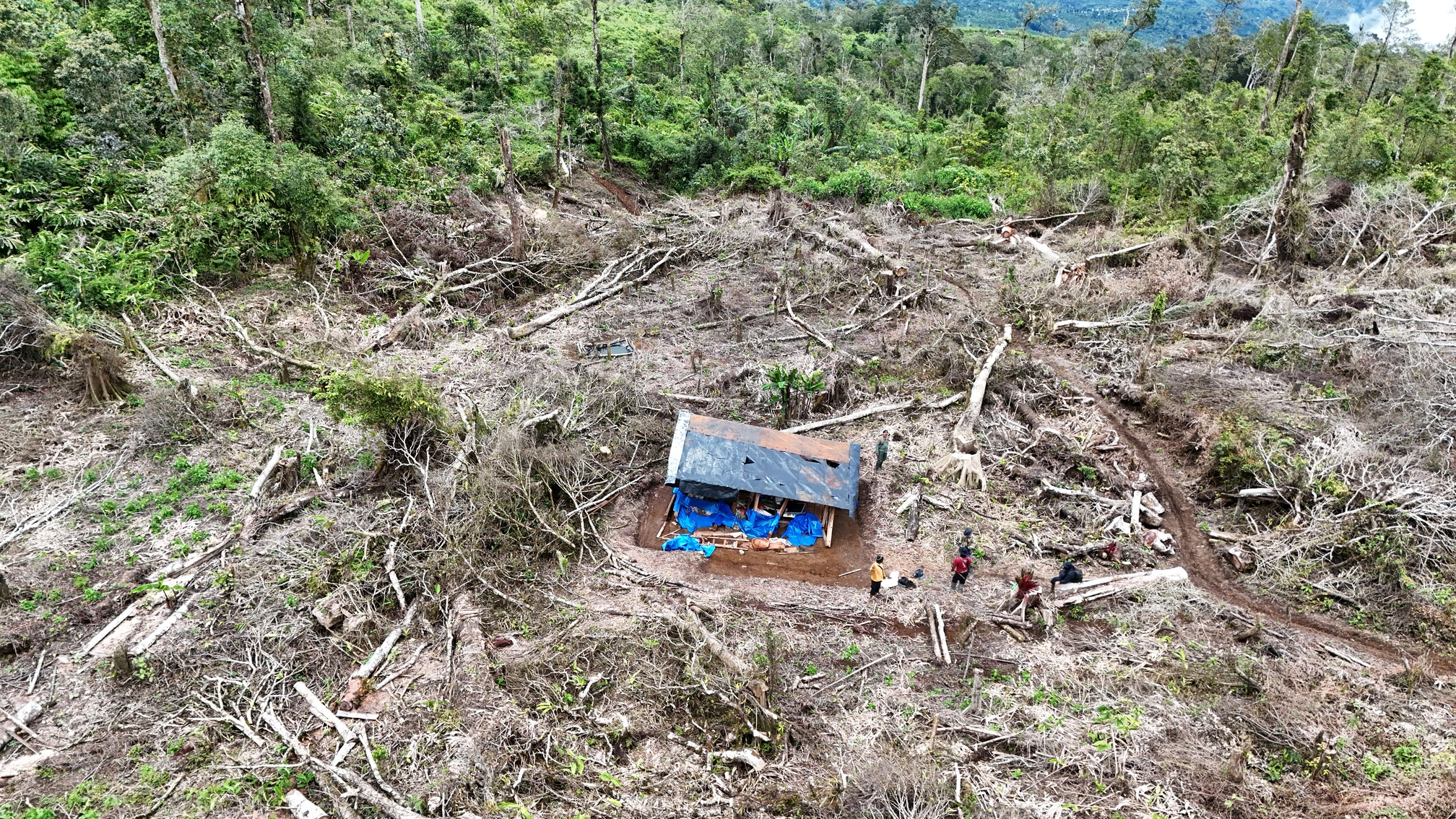
Unplanned land conversion can cause various ecological damages, such as floods, droughts, soil erosion, decreased land fertility, loss of biodiversity, and accelerated climate change.
By implementing agroforestry, the community can maintain the ecological function of the land while obtaining economic benefits from agricultural and forestry products.
Etymologically, the term agroforestry comes from English, namely “agro” which means agriculture and “forestry” which means Forestry. In Indonesia, this concept is also known as wanatani—a combination of the words “Wana” (forest) and “tani” (agriculture).
This term reflects the harmonization of agricultural activities and the preservation of forests in a single, sustainable ecosystem.
The importance of agroforestry Comparative Study for Yiari assisted farmers group

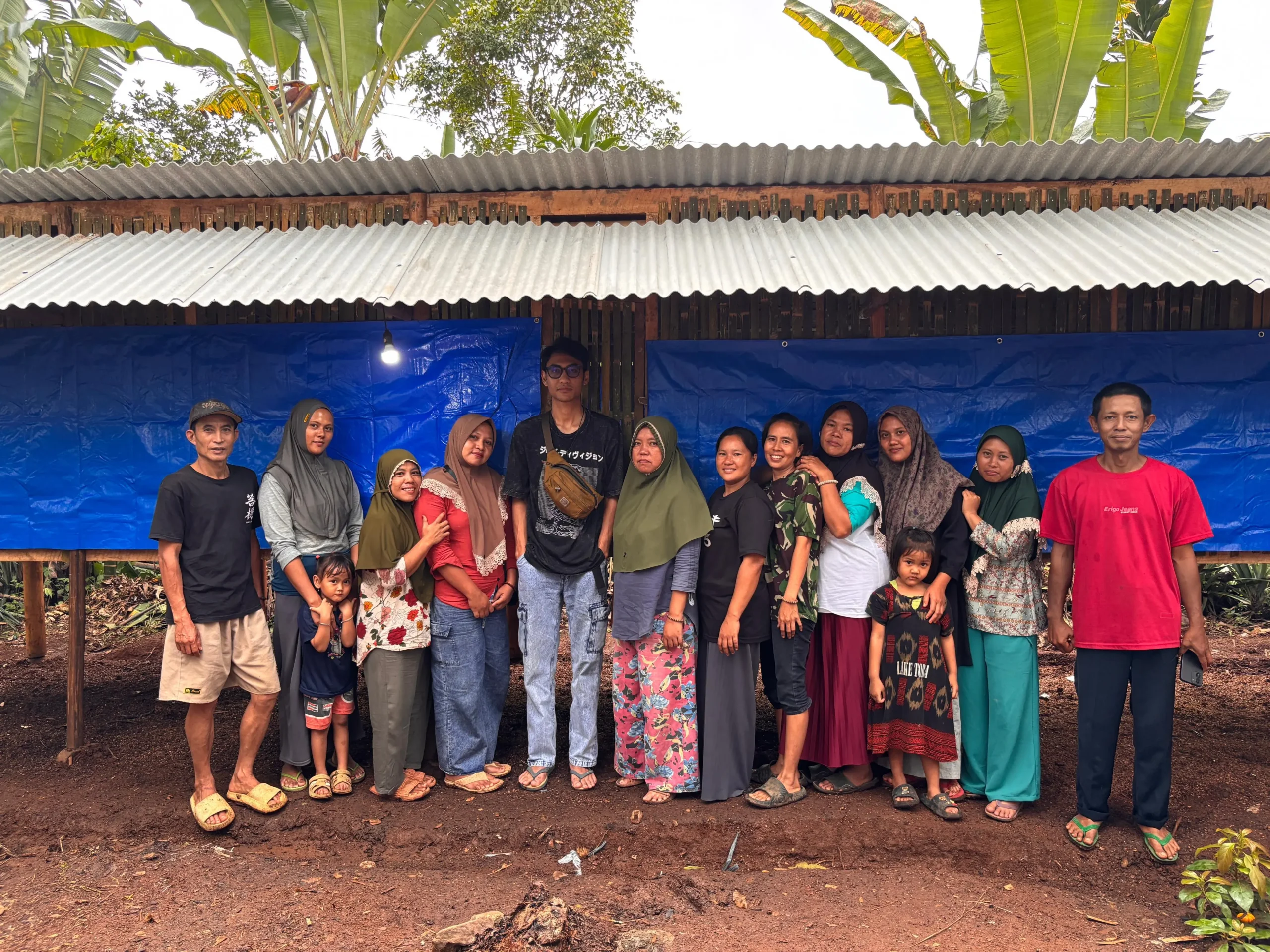
The comparative study activity held on December 17-19, 2024 was an important moment for eight farmers from the Sumber Makmur and Sustainable Agriculture Association (Gapoktan).
In this visit, they had a direct opportunity to learn from the institutional and agricultural practices implemented by farmer groups in the Forest Management Unit (KPH) Pesawaran, Lampung.
The main objectives of this activity are:
1. Strengthening farmers ‘ understanding of sustainable agriculture-based farming institutions
This comparative study is designed to improve the capacity of farmers in understanding the structure, role, and institutional functions in the context of farming. With a better understanding of the institutional system, farmers are expected to be able to carry out agricultural activities in a more organized and sustainable manner, both in terms of production, marketing, and resource management.
2. Learn directly from institutional farmer groups that have proven to be solid and collective
Kph Pesawaran was chosen as a learning location because farmer groups in this region have succeeded in forming strong institutions and are able to run collective farming. The hands-on experience of this farmer group is a concrete reference for yiari assisted farmers to understand how good governance can drive collective success.
3. Exploring the application of agroforestry systems that are integrated with the principles of Nature Conservation
Through this comparative study, farmers gain insight into how agroforestry systems can be applied on a group scale. This Model not only combines the functions of agricultural and forestry production, but also pays attention to environmental sustainability through the protection of soil, water and biodiversity.
4. Reviewing the impact of agroforestry systems in improving land productivity
Kph Pesawaran shows that the agroforestry approach can provide multidimensional benefits: increasing agricultural yields, maintaining environmental stability, and creating a sustainable source of income. This is important to be applied by other farmer groups who want to strengthen economic and ecological resilience.
5. Explore the institutional managerial aspects of farmer groups
In addition to the technical aspects of Agriculture, participants are also equipped with an understanding of institutional governance that includes collective work Systems, Marketing Management, and transparent and accountable administrative records. This is an important foundation for farmer groups to be able to develop professionally.
6. Encourage self-reliance and competitiveness of farmers
Armed with knowledge and experience from comparative studies, assisted farmers are expected to adopt institutional practices that have proven successful. This step is important to improve the group’s operational efficiency, strengthen member solidarity, and expand market access and economic opportunities independently.
Synergy of various parties to increase the capacity of farmers
The success of this comparative study can not be separated from the active role of various parties involved in the planning process to implementation. Cross-sectoral collaboration between assistance agencies, experts, and farmers is key in strengthening the capacity of farmer groups.
The parties involved in this activity include:
- Yayasan Initiasi Alam Rehabilitasi Indonesia (YIARI) as the initiator and organizer, is responsible for the coordination and facilitation of activities.
- Kph Pesawaran as the main partner and host of comparative studies, sharing real experiences in the institution of farmer groups and the application of agroforestry systems.
- Kph Batutegi, who assisted farmers during the learning process.
- Forestry Department of Lampung State University, which also acts as a field companion and liaison between academic aspects and field practice.
- Farmer groups in kph Pesawaran, who act as the main speakers, provide inspiration and share good practices in the management of agroforestry-based farming.
Eight participants of the comparative study came from two active Gapoktan, namely Sumber Makmur and Wanatani Lestari, which have been participating in the farmer empowerment program initiated by YIARI.
Through this activity, farmers are expected to be able to replicate successful institutional practices and build a stronger, independent, and sustainable farming system.
A series of Comparative Study activities in kph Pesawaran

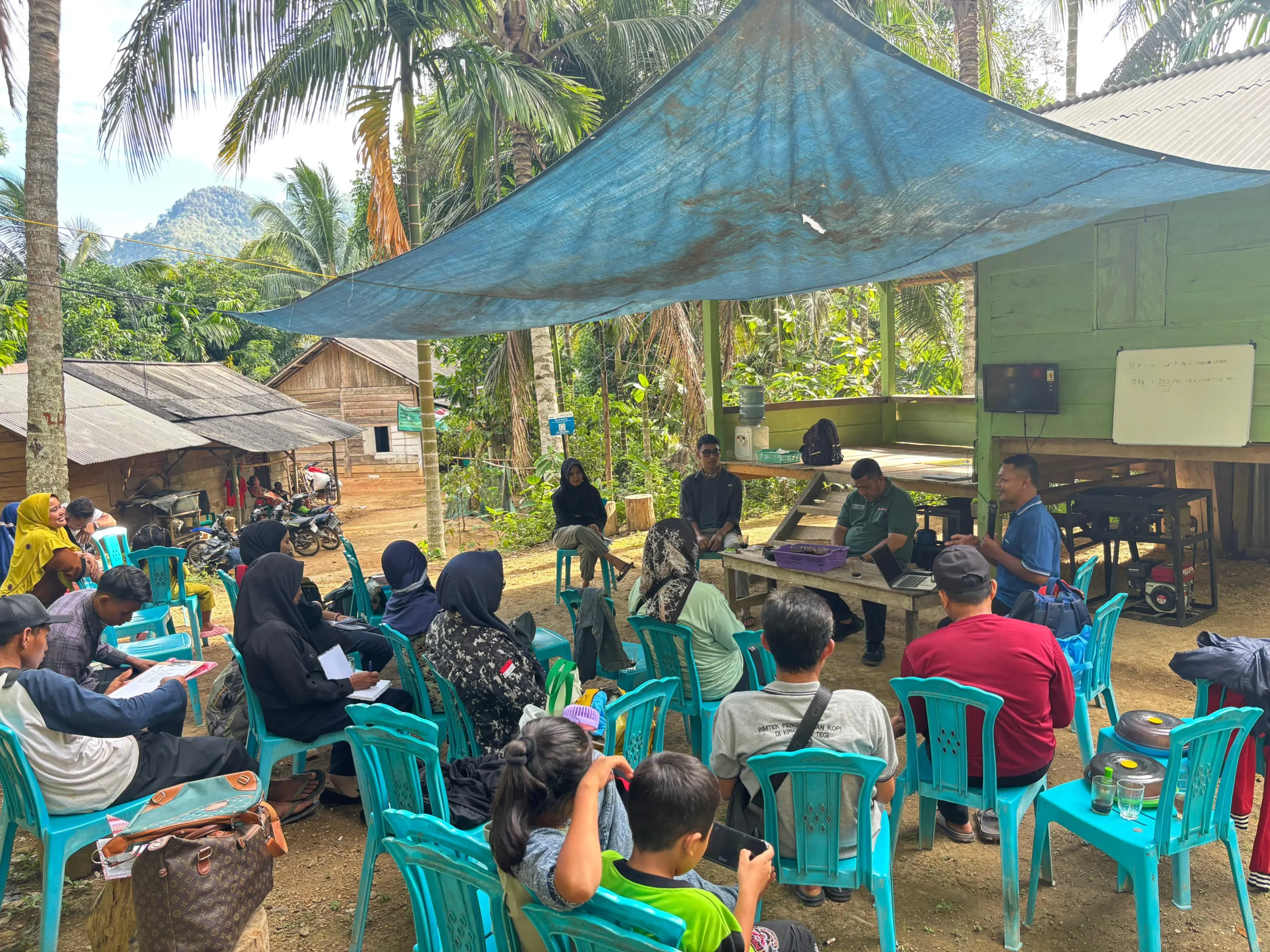
During the comparative study, participants participated in various activities ranging from discussions, field trips, to agricultural processing practices. The following is a series of activities carried out by eight farmers assisted by YIARI at KPH Pesawaran:
Day One: Introduction and Field Trip
The activity began with an introduction session on kph Pesawaran, including an interactive discussion that discussed the goals and institutional benefits of farmer groups in supporting the sustainability of agricultural businesses. The participants then discussed directly with the management of Gapoktan at KPH Pesawaran to understand the organizational structure, business management system, and dynamics of farmer groups that have been running.
After the break and Asr prayer, the activity continued with a visit to agricultural land owned by local farmers who have implemented agroforestry patterns. Some of the commodities observed include nutmeg, hazelnut, cocoa, and cardamom. Participants also attended a special session on complex agroforestry combinations, which featured plant diversification strategies to increase productivity while maintaining ecosystem balance.
In the evening, the participants participated in the ‘chatting Pintar (Ngopi) Petani’, a casual forum that opened a dialogue space between farmers. In this informal setting, participants can exchange experiences, ask questions, and explore deeper insights into environmentally friendly agricultural practices implemented at KPH Pesawaran.
Day two: Discussion and deepening of the material
The focus of activities on the second day is the deepening of the material through intensive discussions. Participants studied the institutional history of farmer groups in kph Pesawaran, especially regarding the transition of Land Management from monoculture to agroforestry systems. They also explore various agroforestry patterns, including land management techniques, harvesting, and Produce Marketing.
Furthermore, participants learn institutional strategies in managing agricultural products, such as processing, packaging, and distribution. The discussion also included the active role of kph Pesawaran in fostering farmers through institutional strengthening of marketing and cooperative development.
In the afternoon, participants conducted a reflection session to evaluate the knowledge and insights gained. This activity is a space for participants to identify important lessons that can be applied in their respective farmer groups. In the evening, ‘Ngopi Petani’ session was held again as a follow-up forum to deepen the discussion and strengthen the relationship between participants and local farmers.

Day three: product processing practices and closures
On the last day, participants attended a hands-on practical session on agricultural processing. Some of the activities carried out include:
- Processing hazelnut into high-quality oil, which has great economic value in the food and cosmetic industries.
- Processing nutmeg into derivative products, such as sweets or ready-made seasonings, to increase the marketability of these commodities.
- Making charcoal briquettes from hazelnut shells, as a form of utilization of agricultural waste that is environmentally friendly and economically valuable.
After the practical session, the participants again did a final reflection to develop a realistic follow-up plan and in accordance with the conditions of their farmer groups. This comparative study ended with an official closing session, where the participants expressed their commitment in implementing the knowledge and skills acquired during the activity.
Expectations and follow-up plans
As a follow-up of this comparative study, the participants are expected to be able to adapt and apply knowledge about the institutional business of farmer groups into the local context in their respective communities.
The establishment of stronger institutions is a top priority, by adopting a model that has been proven to be successfully applied in kph Pesawaran. Through this process, farmer groups are expected to be able to build a solid organizational structure, oriented to cooperation, and support collective business growth.
Agroforestry-based business development is also a major focus in the participants ‘ follow-up plan. With this approach, they not only pursue increased productivity and income, but also contribute to maintaining environmental balance through sustainable agricultural practices. The implementation of agroforestry system is believed to be able to answer modern agricultural challenges that require integration between economic and ecological aspects.
In terms of post-harvest processing, participants are committed to applying the various techniques that have been learned during the comparative study. Among them are the use ofdryersto maintain the quality of crops and the processing of commodities into value-added products, such as hazelnut oil, processed nutmeg, or briquettes from agricultural waste.
These measures are designed to expand the market potential and increase the group’s revenue, while reducing waste and negative impact on the environment.
Appreciation to all parties involved
The success of this comparative study activity can not be separated from the contribution and synergy of various parties. We express our highest appreciation to kph Pesawaran for opening a learning space for yiari assisted farmers, as well as sharing best practices in institutional management and application of agroforestry.
The support of kph Batutegi as a companion and local farmer groups as field resource persons, has become an important foundation in the success of this program.
Through this activity, yiari assisted farmers gain knowledge and skills that can be applied to strengthen Group institutions, expand cooperation networks, and improve the effectiveness of farm management.
Hopefully, with a more organized system and a solid collective approach, farmer groups can produce more valuable products, expand market access, and build a competitive and sustainable business. The knowledge gained is also expected to be transmitted to other members of the group, so that the benefits of this comparative study can be widely felt at the community level.