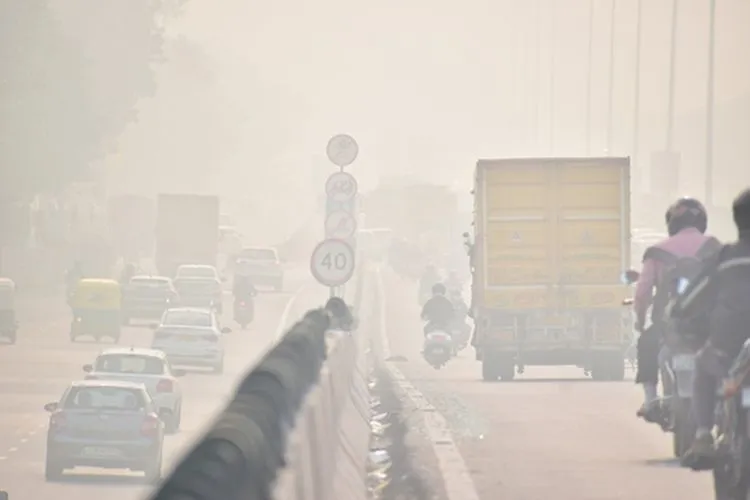
Every second, you breathe in the air around you without really thinking about what it contains.
However, have you ever imagined if the air that looks clean turns out to contain harmful substances that are not visible? This is what is known as air pollution.
Air pollution is a serious problem that continues to haunt, especially in big cities in Indonesia. This problem is not just an environmental nuisance, but a real threat that is slowly destroying human health and ecosystems. Although it often goes unnoticed, its impact cannot be underestimated.
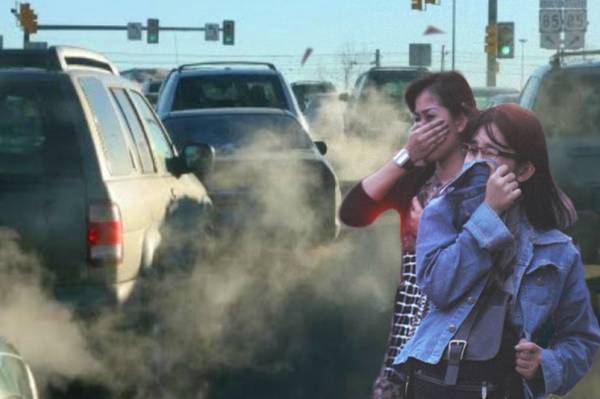
Without realizing it, daily activities such as driving on the streets expose you to polluted air. This pollution can cause a variety of health complaints, ranging from mild coughing to more serious breathing disorders.
Through this article, we will explore more about the adverse effects of air pollution on health and the environment, as well as find out practical steps that can be done to help reduce it!
What Is Air Pollution?

According to the World Health Organization (WHO), air pollution is air pollution by harmful substances that can harm human and animal health, as well as damage the environment.
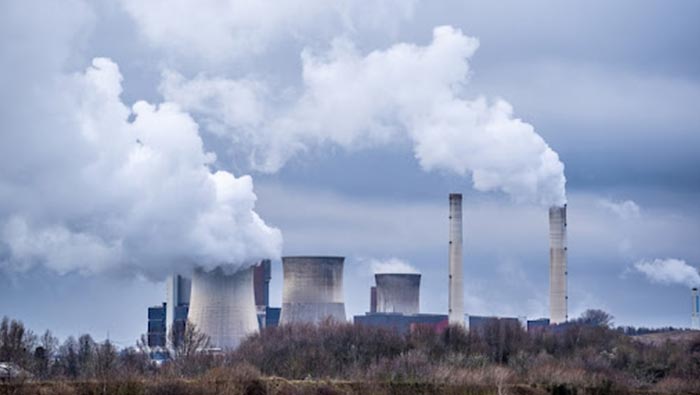
Sources of air pollution are very diverse. Much of it comes from human activities, such as burning fossil fuels for vehicles, industry, and power plants. However, pollution can also come from natural processes such as volcanic eruptions or forest fires.
United States Environmental Protection Agency (EPA) mendefinisikan polusi udara sebagai campuran kompleks antara partikel dan gas di atmosfer. This mixture includes ozone, carbon monoxide, sulfur dioxide, nitrogen dioxide, as well as fine particles such as PM2.5 and PM10. These microscopic particles are very dangerous because their small size allows them to go deep into the respiratory tract, even down to the lungs.
Locally, the Indonesian Ministry of Environment and Forestry (MoEF) explained that air pollution is an increase in certain substances or energies in the air in certain concentrations and durations that can change air quality. If left unchecked, this condition can have serious impacts on public health and environmental sustainability.
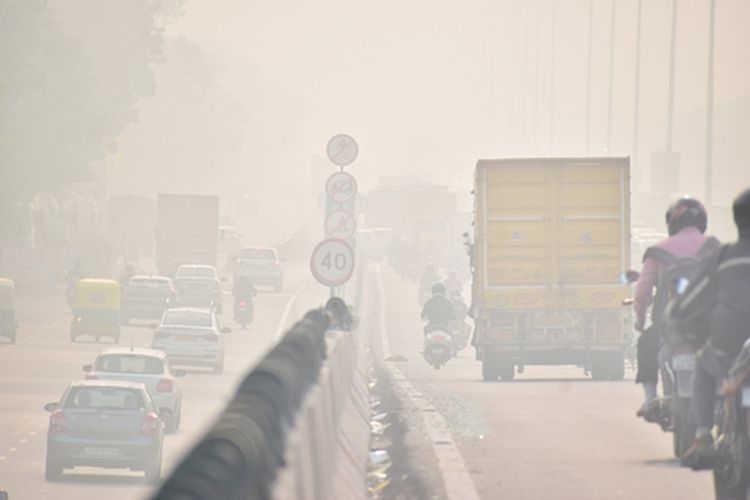
However, air pollution is not just a matter of numbers or scientific terms. This is a real problem that touches everyday life. For example, have you ever noticed that the sky in a big city is rarely bright blue, even in the morning? That’s one of the signs that the air around you is not clean.
More worrying, not all pollution you can see or feel right away. Harmful gases such as carbon monoxide or nitrogen dioxide have no color or odor. Because of its hidden but deadly nature, air pollution is often dubbed the’silent killer‘.
5 Harmful Effects of air pollution

Air pollution has serious consequences, both on human health and on environmental sustainability. Here are the five most dangerous impacts of air pollution that you need to be aware of:
1. Decrease In Life Expectancy
This may sound surprising, but poor air quality can actually shorten life. According to the 2021 Air Quality Life Index (AQLI)report , the average Indonesian population loses about 2.5 years of their life expectancy due to high exposure to fine particles (PM2.5) which exceeds the safe threshold set by WHO.
Imagine if every day you breathed clean air-your life could be longer and healthier. Creepy, isn’t it?
2. Onset of serious illness
Air pollution has been shown to contribute to a variety of chronic and deadly diseases. Based on data from the National Research and Innovation Agency (BRIN) in 2019, the five main diseases directly related to air pollution in Indonesia include stroke, ischemic heart disease, chronic obstructive pulmonary disease (COPD), lower respiratory tract infections, tracheal, bronchial, and lung cancer.
Worse yet, the impact knows no age. A study from Diponegoro University (UNDIP) in 2020 showed that the high number of respiratory tract diseases in children and toddlers is closely related to air quality in the household environment. One of the main causes is exposure to smoke while cooking, especially when the mother takes the baby or toddler to the kitchen that does not have good ventilation.
3. Early Death
The most tragic impact of air pollution is premature death. Data from Greenpeace Indonesia shows that around 7,390 Jakarta residents die faster each year due to chronic air pollution exposure.
Not only that, around 2,000 babies are reported to be born with low weight each year in the same region. This condition is closely related to poor air quality during pregnancy.
4. Environmental Damage
Air pollution not only threatens human health, but also accelerates the destruction of the environment. One of the impacts is acid rain, which can damage crops, pollute water sources, and disrupt the balance of ecosystems.
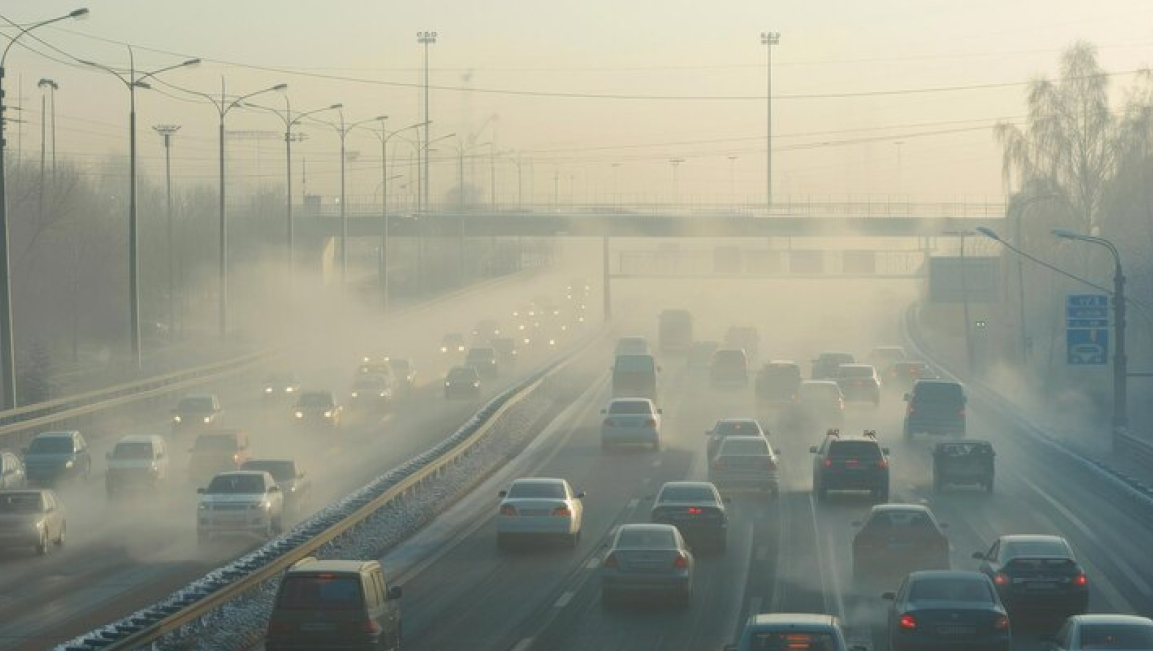
In addition, the increase in pollutant particles in the atmosphere leads to a decrease in visibility, blurring of natural landscapes and a decrease in the overall quality of life—especially in urban areas.
5. Economic Burden
Air pollution also provides a not small economic burden. The cost of treating diseases caused by pollution, increased visits to health facilities, and decreased work productivity due to sick employees are a separate burden for households and the state.
According to a report quoted from SETKAB in 2023, the economic burden due to air pollution in Indonesia includes health costs that increase significantly as well as productivity losses that continue to swell over time. This shows pollution is not only a health problem, but also a national economic problem.
5 Effective Ways to reduce air pollution

Tackling air pollution is not only the government’s job, but also our collective responsibility. You can contribute starting from small steps in everyday life.
How to effectively reduce air pollution? Here are five steps you can take:
1. Reduce The Use Of Motor Vehicles
Land Transport is a very large contributor of carbon dioxide (CO₂) and nitrogen oxide (NOₓ) emissions. One of the most effective ways to reduce air pollution is to switch to public transportation, such as buses or trains.
If possible, try cycling or walking for short distances. In addition to being more environmentally friendly, it is also good for your health. You can also carpooling with friends or start switching to electric vehicles to reduce exhaust emissions.
2. Avoid Burning Garbage
Burning household waste can produce harmful substances such as carbon monoxide (CO), dioxins, and fine particles that are very harmful to health. So, one of the simplest ways to help is not to burn garbage.
Instead, try sorting waste by type: organic, inorganic, and recycled. You can also take advantage of garbage banks or recycling services that are now increasingly available in various cities. Even better if you can process organic waste into compost at home!
3. Plant and maintain trees
We all know, trees play an important role in absorbing carbon dioxide and producing oxygen. Therefore, planting trees is a classic but still relevant step in reducing air pollution, especially in vehicle-intensive cities.
Start from the neighborhood: plant trees or green plants in the yard or in pots. You can also participate in environmental reforestation programs or tree planting campaigns with the community.
4. Use Environmentally Friendly Products
The campaign to bring your own drinking bottles instead of buying bottled water over and over again is one simple but effective example of reducing pollution—not just plastic waste, but also emissions from the production process.
Not only that, many household products such as paints, cleaners, and air fresheners contain harmful chemical compounds that can pollute the air in the House. For that, make sure you choose products that are free of toxic chemicals, do not contain aerosols, and if possible, certified environmentally friendly.
Also use energy-efficient electronic devices, such as LED lamps and household appliances with energy efficiency labels. These small steps can have a big impact when done consistently.
5. Switch to renewable energy
While not everyone can make the Switch right away, the use of renewable energy remains an important long-term solution in suppressing air pollution and greenhouse gas emissions.
If possible, you can start small, such as installing solar panels in your home, or supporting products and services from companies that implement green energy. In addition, make it a habit to save electricity by turning off lights and electronic devices that are not used. Energy-saving, cost-effective, and certainly more environmentally friendly.
Clean Air, Our Shared Responsibility
That’s a review of the dangers of air pollution and the real steps you can take to reduce it. Even though it looks simple, the small actions you take every day can have a big impact if done together.
Clean air is the right of all living things. So let’s take care of each other for the health of ourselves, future generations, and a better Earth!
Featured image: Image of a highway with lots of vehicles and smoke / source: Kompas