Silakan atur halaman utama di Settings → Reading → Your homepage displays
dan pilih A static page, lalu pilih halaman dengan template Home.
Indonesian Orchidaceae: species diversity, roles, and conservation efforts
Have you ever heard of Orchidaceae?
This term refers to the orchid family, one of the most diverse groups of flowering plants in the world. Its beauty has captivated many people, but did you know Indonesia is home to thousands of amazing orchid species?
As one of the countries with the highest biodiversity in the world, Indonesia has about 5,000 orchid species spread across various regions, ranging from Sulawesi, Kalimantan, Papua, to East Java. However, behind their beauty, many orchid species face serious threats due to deforestation, illegal trade and climate change.
Unfortunately, orchid conservation efforts in Indonesia are still relatively minimal. According to Tempo‘s 2024 report, many orchid species have not been evaluated for their conservation status, making them vulnerable to extinction. So how can we contribute to its preservation?
In this article, we will explore the variety of Indonesian orchid species, understand their ecological role, and highlight the various conservation efforts that need to be done to keep this natural heritage sustainable. Come on, check it out!
Species diversity of orchids and their distinctive features
Indonesia is a paradise for orchid species. With thousands of species spread from Sabang to Merauke, each orchid has its own uniqueness and characteristics. Let’s get acquainted with some of them:
Anggrek Bulan is one of Indonesia’s pride flowers because it is crowned as puspa pesona, or the national flower. Its beauty emanates from its wide and elegant white petals, with a touch of yellow gradation in the center.
Known as Phalaenopsis amabilis, these orchids are often developed through tissue culture for conservation and trade purposes. The name ‘Moon Orchid’ itself is given because of its shape and appearance that resembles a full moon, presenting a graceful and charming impression.
Different from orchids in general, black orchids have a unique characteristic in the form of a flower tongue (labellum) solid black in contrast to the green petals. This uniqueness makes it one of the most exotic orchids in Indonesia.
This species of the genus Coelogyne is found only in Borneo and Sumatra, making it one of the rare endemic orchids. Unfortunately, the Black Orchid population continues to decline due to habitat destruction, so it is included in the list of protected plants.
Found in North Sumatra, this orchid was named Anggrek Hartinah in honor of Raden Ayu Siti Hartinah, the wife of President Suharto. This flower has golden yellow petals with a red-brown motif that makes it look so elegant.
Unfortunately, this orchid is now threatened with extinction due to the destruction of its natural habitat. Without serious conservation efforts, the beauty of this orchid can disappear from nature.
This is the largest orchid in the world! Grammatophyllum speciosum, or better known as the sugar cane Orchid, earned the nickname ‘giant orchid’ because of its incredible size.
This plant can grow up to 3 meters with hundreds of flowers in a clump. The flowers are yellow with brown spots, resembling Tiger shades. Sugarcane orchids are widely found in the forests of Borneo, Sumatra, and Papua, making it one of the most impressive orchid species in Indonesia.
One of the unique orchid species from Borneo has a flower shape that resembles a pitcher plant, making it look so distinctive. The species is named after an Indonesian botanist who discovered it, as a tribute to his contribution to the world of flora.
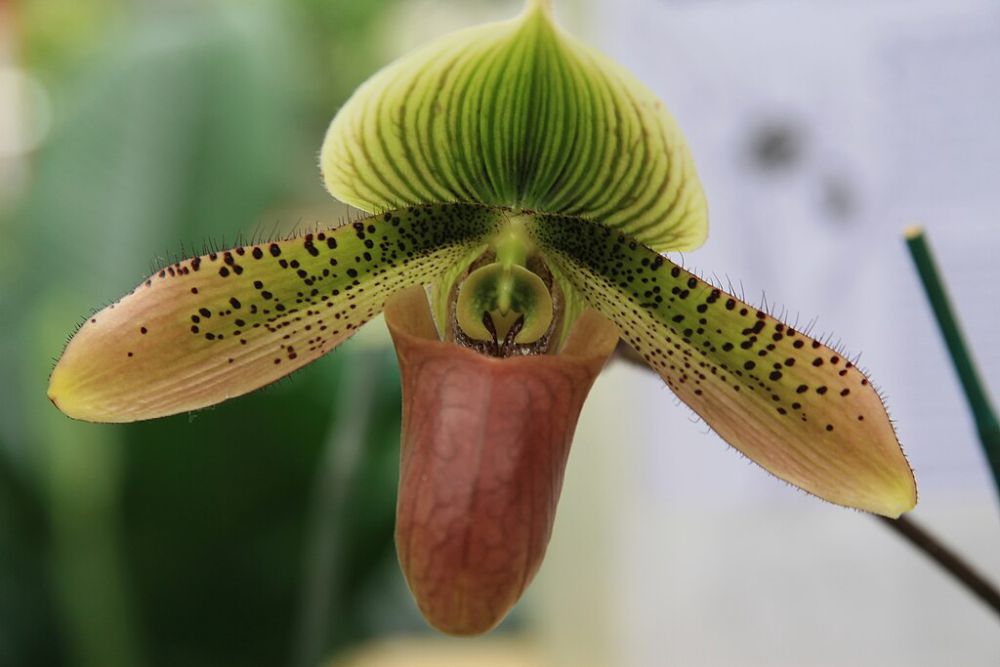
Orchids of the genus Paphiopedilum not only have an exotic appearance, but also become one of the rare species that need to be preserved.
This typical Sumatran orchid has a unique feature in the form of a long ‘mustache’ on the flower, giving the impression of exotic and elegant. Belonging to the genus Paphiopedilum, this orchid is one of the species with the most characteristic forms in the orchid world.
Its beauty and rarity make the kumis shoe Orchid much hunted by ornamental plant collectors, so it requires conservation efforts to remain sustainable.
From the genus Dendrobium, the kebutan orchid is known for The Shape of its petals, which are notched and resemble tangled hairs. Due to its unique and slightly ‘eccentric’ appearance, this flower is often nicknamed the ‘alien Orchid’.
The uniqueness of its shape makes the kebutan orchid a special attraction in the world of ornamental plants, although in its natural habitat it still faces various environmental threats.
The Larat orchid is an endemic species of the Maluku Islands known for its striking and long-lasting bright purple flowers. Originating from the genus Dendrobium, this orchid is often cultivated for its beauty as well as its high durability.
Interestingly, the name of this species is often confused with Phalaenopsis because of the similar shape of the flowers. Not only beautiful, Larat orchids also have high economic value in the ornamental plant trade.
Found in Java and Sulawesi, the Emerald orchid has yellowish-green flowers with reddish-brown spots. Its characteristic green color inspired its name, as it resembles a precious emerald stone.
Not only interesting in terms of aesthetics, this orchid also has cultural value, because it is often used in various traditional rituals in the area of origin.
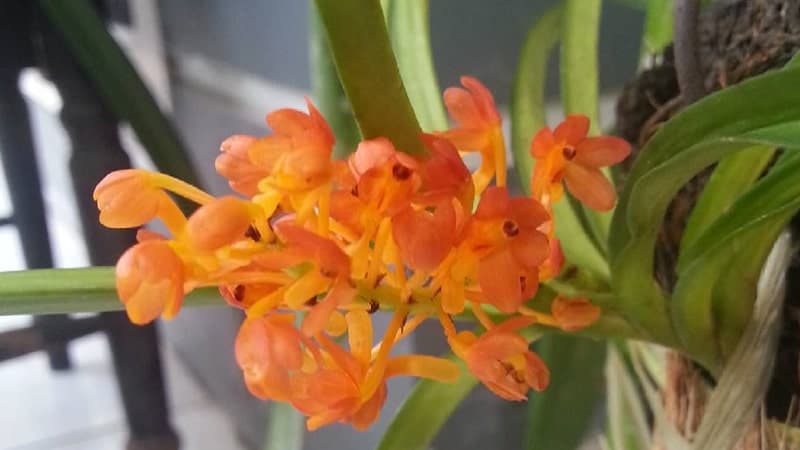
The dragon scale orchid has fiery red flowers with a speckled motif that resembles reptile scales, making it one of the most striking orchids in nature. This species of the genus Renanthera is found in the forests of Sumatra and Borneo.
Its beauty and uniqueness make this orchid even more popular among ornamental plant lovers, although its survival in nature is still noteworthy.
Ecological role of orchids;
Orchids are not just beautiful houseplants, SobatYiari! They play an important role in the ecosystem, especially in Indonesia’s tropical forests. Here are some of the ecological roles of orchids:
1. Supporting Biodiversity
Orchids become a home and food source for various types of insects, birds, and other small animals. Some orchid species even have a special relationship with certain insects in the pollination process.
2. Helps The Pollination Process
Many orchid species have unique pollination mechanisms. Some of them use clever tricks, such as resembling the shape and scent of female insects to attract males to help pollinate!
For example, Ophrys apifera , otherwise known as the ‘bee orchid,’ mimics the appearance of a female bee to attract a male bee, which unknowingly helps the pollination process.
3. Maintaining The Balance Of The Forest Ecosystem
As epiphytic plants (they grow attached to trees without harming their hosts), orchids contribute to maintaining the structure of the forest. The presence of orchids also indicates the health of the ecosystem, as they are very sensitive to environmental changes. In addition, orchids provide shelter for small insects and microorganisms.
4. A Bioindicator Of Environmental Health
Orchids are known as bioindicators because they are very sensitive to changes in temperature, humidity and air pollution.
Research published in the Journal Review of Education and teaching in 2023 said orchids can be used as an indicator of climate change. In fact, every 1°C rise in temperature in spring can accelerate the initiation of flowering by five to seven days.
The loss of orchid populations in an area can be a sign of environmental degradation, such as deforestation or air pollution.
5. Supporting food webs in nature
In addition to being a source of food for some animals, the roots and leaves are a place of life for microorganisms that play a role in the decomposition process and maintain soil fertility.
Orchid flowers, nectar and fruits are also a source of nutrients for various wildlife, such as birds, bats and insects. For example, Dendrobium nectar is often consumed by Honey-sucking birds, which also helps in the pollination process.
Threats to orchids in Indonesia
The beauty of orchids is not just a natural charm, but also part of the balance of the ecosystem. Unfortunately, this flower faces various serious threats that threaten its preservation in the wild.
Here are some of the main factors that cause Orchid populations in Indonesia are increasingly threatened:
1. Deforestation and Habitat loss
Forest loss due to illegal logging, land conversion into plantations, and infrastructure development are the biggest threats to Orchid survival.
According to Global Forest Watch, Indonesia lost about 10.1 million hectares of primary forest between 2002-2020. This loss has a direct impact on orchids that depend on trees as a place to grow (epiphytes) or live on the forest floor.
When their natural habitat disappears, orchids lose their place to thrive, making many species increasingly difficult to find in the wild.
2. Exploitation and illegal trade
Rare orchids are often the target of collectors and are sold at high prices on the black market. One example is the Borneo Black Orchid (Coelogyne pandurata), which can cost millions of rupiah.
Reporting from Mongabay in 2023, until now there are still many collectors from home and abroad who hunt orchids without considering the impact on natural populations. The massive removal of orchids from their natural habitat without conservation efforts can lead to the extinction of certain species in a short time.
3. Natural factors and Climate Change
Changes in temperature and rainfall patterns due to global warming disrupt the life cycle of orchids. Some species, such as Paphiopedilumjavanicum, which is an endemic Orchid of Java, are finding it increasingly difficult to survive as their habitat becomes unstable.
Volcanic activity is also a threat. For example, the eruption of Mount Merapi which can damage the habitat of orchids in the region. Volcanic ash and lava flows can destroy forest ecosystems that are home to many types of rare orchids.
4. Infectious diseases and viral attacks
Another threat that often goes unnoticed is infection with diseases in orchids.
A study from Gadjah Mada University in 2018 found that Phalaenopsis orchids in Indonesia are susceptible to various viruses, such as Ondotoglossum Ringspot Virus (orsv). This Virus can attack the leaves and flowers of orchids, causing stunted growth and even death of the plant.
The attacks of this disease are increasingly worrying, especially in habitats already disturbed by deforestation or drastic environmental changes.
Orchid conservation efforts in Indonesia
If you ask me, is the orchid flower protected in Indonesia? The answer is of course yes!
As one of the rare flowers and has a high ecological value, orchids receive legal protection in order to remain sustainable in nature.
How many species of orchids are there in Indonesia? According to the IUCN Red List, about 200 orchid species in Indonesia are in the Endangered category. This figure shows how important conservation efforts are to save our biodiversity.
Here are some concrete steps that have been and need to continue to be done to protect orchids in Indonesia:
1. Legal Protection
One of the main measures in orchid conservation is to ensure legal protection. The law was created so that humans could not carelessly exploit or trade rare orchids.
In Indonesia, the protection of rare orchids has been regulated in law No. 5 of 1990 on the Conservation of living Natural Resources and ecosystems.
In addition, some orchid species are also protected by CITES (Convention on International Trade in Endangered Species), which regulates international trade in flora and fauna so as not to lead to extinction.
2. Designation Of Conservation Areas
The Indonesian government has established various conservation areas to protect orchids and other biodiversity. Some of the areas that are habitat for rare orchids include:
Lorentz National Park, Papua -home to a variety of exotic orchid species found only in tropical mountainous areas.
Gunung Leuser National Park, Sumatra -one of the largest tropical rainforests where various types of rare orchids grow.
3. In Situ and Ex Situ conservation
Orchid conservation is carried out through two main approaches, namely in situ conservation and ex situconservation. Both of these methods have an important role in keeping Orchid populations sustainable in nature.
In Situ conservation (in their natural habitat)
In situ conservation is an effort to protect orchids directly in their natural habitat by maintaining the ecosystem and environment in which they grow. This approach ensures that orchids continue to develop naturally without needing to be removed from their original ecosystem.
One vivid example of in situ conservation is the Orchid Adoption Program at Mount Merapi, which involves local communities in replanting and rearing endangered orchids. This Program helps restore Orchid populations affected by the eruption of Mount Merapi, as well as providing education to the public about the importance of preserving endemic flora.
Ex Situ conservation (outside their natural habitat)
Ex situ conservation is done by growing and propagating orchids outside their natural habitat. This method is often used for species that are already rare or endangered in order to remain able to thrive without facing threats from the wild.
One of the frequently used techniques is tissue culture, which allows the propagation of orchids on a large scale while maintaining their genetic purity. For example, in vitro propagation of Dendrobium lineale Blue has been carried out to ensure the survival of this species, especially since its natural habitat is being reduced due to deforestation.
4. Research, breeding, and Genetic Engineering
Research and breeding are important steps in orchid conservation efforts, especially for endangered species. Institutions such as the Bogor Botanical Garden and LIPI (Indonesian Institute of Sciences) have been active in developing methods of orchid propagation through modern technology.
One of the successful conservation programs is the propagation of Phalaenopsis amabilis (Moon orchid) through tissue culture techniques, which allows orchids to thrive in large numbers without having to take them directly from nature.
In addition, research continues to be conducted to understand the specific needs of orchids, from habitat, growth patterns, to responses to environmental changes. Genetic engineering is also being developed to create orchid species that are more resistant to disease and climate change.
5. Education and socialization
Orchid conservation is not only the responsibility of scientists or governments, but also the wider community. Therefore, various environmental organizations, such as the Indonesian Orchid Association (PAI), are actively educating the public about the importance of preserving orchids and the dangers of illegal trade. This Campaign aims to raise public awareness that orchids are not only ornamental plants, but also part of the ecosystem balance.
In addition, orchid cultivation training programs for local communities around their habitats are an important strategy to reduce wild capture from nature. By providing the correct cultivation skills, people can benefit economically from orchids without harming their ecosystem.
It’s time to preserve Indonesian orchids together!
How, Buddy # KonservasYIARI, already know more types of Indonesian orchids, right?
In addition to being a beautiful flower, orchids also play an important role in the ecosystem. However, with various threats that continue to increase, conservation is the main key in maintaining its sustainability.
Through a combination of legal protection, conservation in nature and outside the habitat, research, and community education, we can ensure Indonesian orchids remain sustainable. That way, future generations can still enjoy the beauty and biological wealth of this country.
Come on, contribute to the preservation of orchids!
What is Steppe? Definition, Flora, Fauna, characteristics, types, and supporting components
In the vast land that stretches in different parts of the world, have you ever found a place with very low air humidity?
Perhaps the first thing that comes to mind is the deserts of the Middle East. However, did you know that similar ecosystems can also be found in Asia, even in Indonesia?
Yup, in addition to deserts, there are other ecosystems that also have low air humidity, namely steppes. Unlike the savannas, which are still covered with several types of trees, the steppes are dominated by grasses and shrubby plants without the conspicuous presence of trees. It is these conditions that make the steppes known as vast and dry grasslands.
Citing National Geographic, the steppes only receive about 250-500 millimeters of rainfall per year. This low and uneven amount of precipitation makes the vegetation in the steppes limited.
To understand more about this unique ecosystem, check out the following explanation of the definition, characteristics and types of Steppes!
Definition Of Steppe
According to Kamus Besar Bahasa Indonesia (KBBI), a steppe is a vast and dry flat land, which is only overgrown with shrubs. Steppes can also be defined as vast grasslands.
Meanwhile, according to Britannica, the term “steppe” comes from the Russian language, which means “flat grassy plain”. This ecosystem is widely found in temperate regions, such as the United States, Siberia, Tibet, China, and several regions in Indonesia. Generally, steppes are located far from the sea and are in the vicinity of mountains. This geographical condition causes the air humidity to tend to be low or dry.
Stepa / pixabay.com/jackmac34
In general, the average temperature of the steppes in East Asia ranges from 25°C in summer and can drop to -15°C in winter. Meanwhile, the steppes in the European region have more stable temperatures, with an average of no more than 20°C in summer and about 0°C in winter.
Steppes are also known as transitional biomes between wet climates and dry climates. Its low air humidity makes this ecosystem not dry enough to be a desert, but also not fertile enough to be covered with trees in large quantities.
Flora that lives in the Steppe biome
Low and uneven rainfall in the steppes greatly affects the type of flora that can grow in these ecosystems. Generally, steppe vegetation is dominated by various types of grasses, shrubs and shrubs no more than 50 centimeters high.
Grass that is in the steppe / pixabay.com/thelegendreturn
Some specific examples of plants that are able to survive in this windy and semi-arid environment include feather grass (Nasella tenuissima) and needle grass (Andropogon aciculatus).
In addition, some other plants commonly found in the steppes include:
Bearded Iris (Iris germanica)
Aster (Aster)
Anyelir (Dianthus caryophyllus)
Purple cone flower (Echinacea angustifolia)
Rumput biru (Festuca glauca)
Tanaman es (Mesembryanthemum crystallinum L.)
Lili buntut rubah (Eremurus)
Peony (Paeonia)
Kaktus (Cactaceae)
The climate and humidity of the air in the steppes play a role in determining the characteristics of the flora living in them. Most of the plants in these meadows have a solid body structure and are able to adapt to extreme climatic changes from season to season.
During the dry season, some plants may produce fewer flowers as a survival strategy. Meanwhile, there are also types of plants that are precisely able to adapt to low humidity conditions and thrive when there is less rainfall.
Fauna living in the Steppe biome
The presence of faunal species in the steppe biome is strongly influenced by the type of flora or vegetation that grows in the steppe. In other words, the flora and fauna that inhabit the steppes coexist in an ecosystem that supports each other.
Fauna existing in the steppes / pixabay.com/ahmetyuksek
Short grass vegetation in the steppes becomes an ideal habitat for various large mammals, such as:
Bison (Bison)
Ox (Bos taurus)
Domba (Ovis aries)
Kuda (Equus caballus)
Antelop (Antilope cervicapra)
Kambing (Capra aegagrus hircus)
In addition to these mammals, reported by Animalia, some other fauna commonly found in the steppes include:
Leopard (Panthera pardus)
Musang madu (Mellivora capensis)
Wild boar (Sus scrofa)
Elang buteo (Buteo buteo)
Burung hering berjanggut (Gypaetus barbatus)
Kucing liar Afrika (Felis lybica)
White stork (Ciconia ciconia)
Kura-kura Rusia (Testudo horsfieldii)
Little owl (Athene noctua)
Egyptian snake (Naja haje)
Babon chacma (Papio ursinus)
Wolf (Canis lupus)
Rubah (Vulpes vulpes)
Among the list of fauna above, there are several ferocious predators that inhabit the steppes, such as leopards, wolves and foxes. Their presence is inseparable from the presence of herbivorous mammals that are the main prey.
These relationships form a natural food chain, which ensures that the balance of the ecosystem is maintained.
Features of the Steppe
Although they are both grassland ecosystems, steppes have a fundamental difference from savannas. The main difference between them lies in the type of vegetation. The steppes are inhabited only by short plants and shrubby plants, while the savannas have a few tall trees scattered over long distances.
Stepa / pixabay.com/Nyamdorj
Here are some of the characteristics of the steppe biome that distinguish it from other ecosystems:
Irregular rainfall, ranging from 250-500 millimeters per year
Low air humidity, causing conditions that tend to be dry
The soil is arid and less fertile, so it does not support the growth of large trees
Extreme temperatures, hot during the day and cold at night
Vegetation is dominated by grasses, with few shrubs
There are no big trees, only small plants
The average vegetation height is less than 50 centimeters
Located between desert and forest, making it a transitional region
Spread on almost all continents, except Australia and Antarctica
Steppes can be found in different parts of the world, such as the United States, Siberia, Tibet and China.
One of the largest and most famous steppes in the world is the Eurasian Steppe, which stretches from Eastern Europe to Central Asia, covering the territory of Ukraine, Russia, Kazakhstan, Turkmenistan, Uzbekistan, Xinjiang (China), Mongolia and Manchuria.
Types of Steppes
Based on climatic conditions, steppes can be divided into three main types, each of which has different characteristics depending on the level of precipitation, temperature and geographical location:
1.Stepa tropis
The tropical steppe is an intermediate region between a wet tropical climate and a dry tropical climate. The main characteristic of tropical steppes is the higher annual rainfall compared to steppes located in temperate or subtropical regions.
However, despite being wetter, these steppes still have less fertile soil characteristics and a predominance of vegetation in the form of grasses and shrubs.
2. temperate climate steppes
Temperate climate steppes receive up to 500 millimeters of precipitation per year. One of the main characteristics of these steppes is the extreme change in temperature between summer and winter. In summer, temperatures can rise significantly, while in winter, temperatures can drop dramatically to near freezing.
3.Stepa subtropis
Subtropical steppes generally have higher and more evenly distributed rainfall than temperate steppes. This region tends to experience more moderate temperature changes and has slightly higher air humidity than the rest of the steppes.
Steppe Support Components
As one of the large-scale ecosystems on Earth, the steppe has several supporting components that maintain the balance of its ecosystem. Here are the main components that support life in the steppes:
1. Autotrophic organisms
Autotrophic organisms are living beings that can produce their own food through the process of photosynthesis, taking advantage of sunlight, water and carbon dioxide. In Steppe ecosystems, autotrophs play the role of the main producers that become a source of food for other organisms.
Examples: grasses, shrubs and various types of plants typical of the steppes.
2. Heterotrophic organisms
Heterotrophic organisms are living things that cannot make their own food and therefore must consume other organisms to survive. In Steppe ecosystems, heterotrophic organisms act as consumers, both as herbivores (plant eaters) and carnivores (predators of other animals).
Examples:
Herbivora: sapi, kuda, kambing, domba, antelop, dan bison.
Carnivores: wolves, foxes and Eagles.
3. Abiotic components
Abiotic components are non-biological environmental factors that greatly affect the life of living beings in the steppes. These factors create conditions typical of the steppes that are dry, windy and have extreme temperature changes.
Examples:
Soils -tend to be less fertile and have a low moisture content.
Sunlight -plays an important role in the process of photosynthesis of plants.
Air -tends to be dry with low humidity levels.
Water -its amount is limited due to low and uneven rainfall.
Boulders -help to form the structure of the soil in the steppes.
4. Decomposing organisms
Decomposing organisms or decomposers are living things that decompose the remains of dead organisms as well as waste products from other organisms. The presence of decomposers is essential in the recycling of nutrients, so that organic substances can return to the soil and favor the growth of vegetation in the steppes. Examples:
Insects – such as maggots and termites.
Earthworms -help loosen the soil and decompose organic matter.
Bacteria & fungi -in charge of decomposing dead organisms into nutrients for the soil.
Mosses & amp; snails -take part in decomposition processes in Steppe ecosystems.
Exploring the beauty of the steppes: a unique and amazing tourist destination
Besides being found in the United States, Siberia, Tibet, and China, steppes can also be found in Indonesia, you know!
One area that has a steppe ecosystem is East Nusa Tenggara (NTT), especially on the island of Timor. There, you can see vast expanses of grasslands and various steppe grass-eating animals cultivated by the local community.
Although not as popular as Savanna, the steppe biome still has a unique natural charm and is often used as a tourist destination. Its vast landscape with typical grass vegetation and the diversity of large mammals are its main attractions. The beauty of the steppes is no less amazing than other ecosystems.
So, are you interested in exploring the beauty of the steppes and feeling the atmosphere of a different nature?
8 examples of ecotourism in Indonesia: enjoying nature while preserving it
# KonservasYIARI,
Have you ever thought that vacation can be a fun way to participate in preserving nature? This is the concept of ecotourism—take a walk while contributing to the environment!
Indonesia, with its incredible natural wealth, is included in the top 10 countries with the best ecotourism index in the world. Not only that, our country also has 209 species of protected animals—the most in the world! Proud, right?
From the tropical rainforests of Borneo, the underwater charms of Raja Ampat, to the vast savannahs of Baluran National Park, Indonesia offers a beautiful and meaningful adventure. It’s no wonder that the trend of ecotourism continues to increase, with millions of tourists choosing eco-friendly destinations every year.
Let’s find out how holidays can be more than just fun, but also have a positive impact on nature!
What Is Ecotourism?
Ecotourism is a form of travel that focuses on Nature Conservation, local community empowerment, and education for tourists. This concept is not only about enjoying the beauty of nature, but also prioritizes responsibility in maintaining the balance of the local ecosystem and culture.
According to Honey (2008) in his book Ecotourism and Sustainable Development, ecotourism carries the principle of responsible tourism with the aim of protecting biodiversity and respecting local customs and culture.
More broadly, ecotourism is part of the concept of sustainable tourism, which is a tourism approach that considers long-term environmental, social, cultural, and economic impacts. This concept is based on four main pillars, namely:
Environmental sustainability: ensuring tourist activities do not damage natural ecosystems.
Socio-cultural sustainability: respect and preserve the Customs and culture of local communities.
Economic sustainability: providing equitable financial benefits to local communities.
Sustainability management: ensuring all aspects of tourism are managed with the principles of responsibility and sustainability.
Why Is Ecotourism Important?
Ecotourism is not just a trend in the tourism industry, but an approach that has a real impact on the environment, communities and local economies. Here are some reasons why ecotourism is so important:
1. Preserving Nature
Ecotourism helps protect ecosystems by reducing the negative impacts of conventional tourism, such as pollution, habitat destruction, and exploitation of Natural Resources. With the principle of sustainability, ecotourism encourages tourists to be more aware of the importance of maintaining biodiversity and not leaving traces that damage the environment.
2. Empowering Local Communities
One of the main goals of ecotourism is to provide direct economic benefits to local communities. In contrast to mass tourism, which often only benefits large investors, ecotourism creates employment opportunities for local residents, such as tour guides, artisans and homestay managers. In addition, ecotourism also encourages people to preserve their culture and traditions, which is the main attraction for tourists.
3. Raising awareness and education
Ecotourism teaches tourists the importance of preserving local nature and culture. Through hands-on experience, travelers better understand how their actions can impact the environment. Activities such as conservation tours, reforestation programs, or wildlife watching provide in-depth insights into ecosystem sustainability and protection.
4. Supporting A Sustainable Economy
Compared to the exploitation-based tourism industry, ecotourism offers a more sustainable economic model. With a responsible system, income from ecotourism can be used to fund conservation projects, the development of environmentally friendly infrastructure, as well as improving the welfare of local communities without damaging natural resources.
5. Reducing The Impact Of Mass Tourism
Mass tourism often leads to over-tourism which leads to environmental degradation and local culture. Ecotourism offers a more responsible alternative by limiting visitor numbers, implementing strict conservation rules, and encouraging more sustainable tourism practices.
8 examples of ecotourism destinations in Indonesia and their role in helping conservation
Indonesia has a variety of natural tourist destinations that play an important role in Environmental Conservation. From trekking in tropical rainforests to snorkeling in Coral Reef-rich waters, ecotourism in Indonesia is designed to minimize negative impacts on the environment while raising tourists ‘ awareness of the importance of conservation.
So, which ecotourism destinations should be on your travel list?
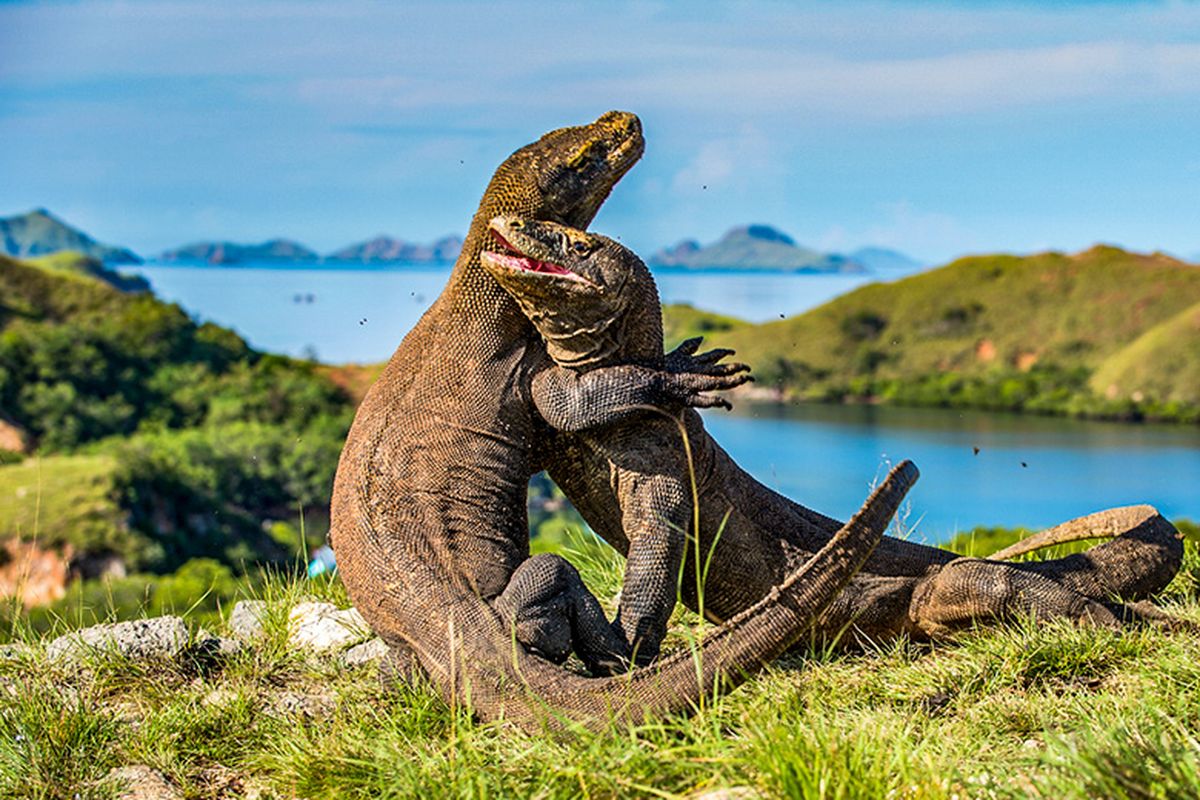
Komodo National Park is the only native habitat for the komodo dragon (Varanus komodoensis), the largest ancient lizard species in the world. This area is a popular tourist destination that implements strict conservation systems, such as restrictions on the number of visitors and registration systems.
It aims to maintain the balance of the ecosystem and reduce interference with the natural habitat of komodo dragons. In addition, the government also implements conservation-based tickets, so that each tourist visit contributes directly to the protection of this species.
In Komodo National Park, you can do various ecotourism activities, such as trekking on Rinca Island and Komodo Island to observe komodo dragons in their natural habitat. In addition, snorkeling in the waters of Pink Beach offers the experience of seeing the incredible marine biodiversity. For a more in-depth experience, you can also visit the komodo Conservation Center and learn about the efforts to preserve these rare animals.
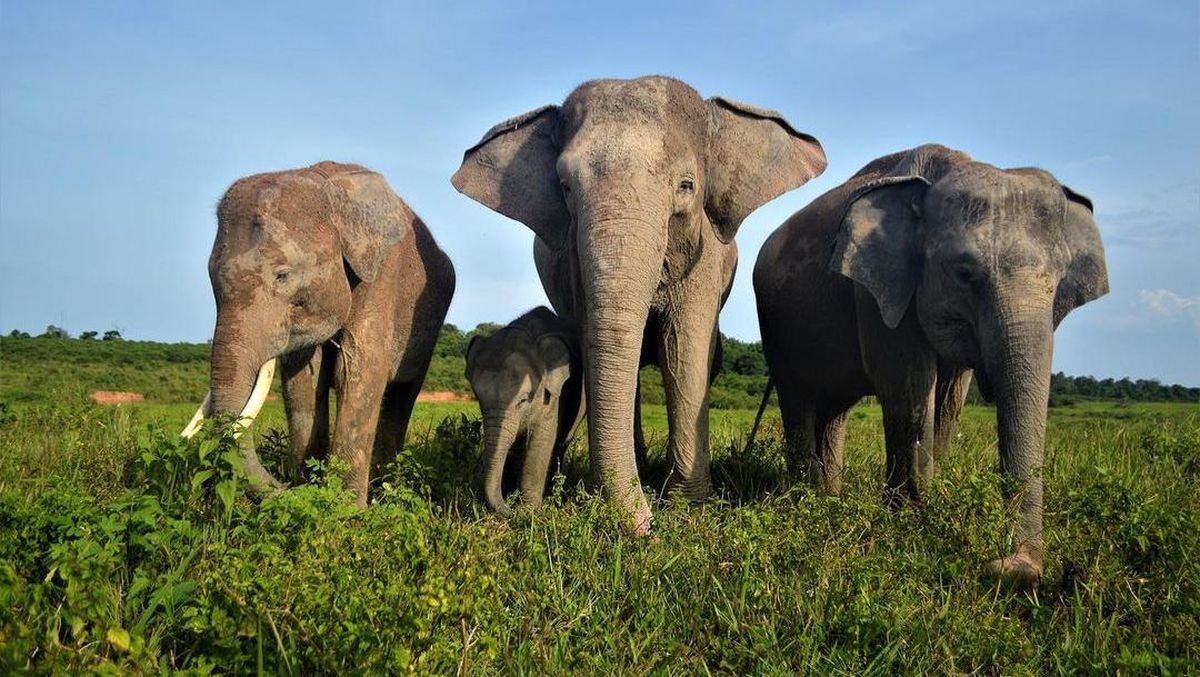
Located in Lampung Province, Way Kambas National Park is a Conservation Center for the endangered Sumatran elephant (Elephas maximus sumatranus). In addition to protecting wildlife, the National Park also plays a role in reducing conflicts between humans and elephants due to deforestation and poaching.
One of the main conservation efforts here is the Elephant Conservation Center, which is responsible for the rehabilitation, training and release of elephants back into the wild.
Tourists who visit Way Kambas can take a nature safari to observe elephants in their natural habitat. In addition to elephants, this National Park is also home to Sumatran tigers, tapirs, and various endemic bird species that can be observed through birdwatching activities.
Ujung Kulon National Park is known as the last habitat of the Javan Rhinoceros (Rhinoceros sondaicus), one of the rarest species in the world. Due to its very small numbers, the area is tightly managed to ensure that tourist activities do not interfere with wildlife life.
Ujung Kulon National Park also protects lowland rainforests that are rich in biodiversity, playing an important role in ecosystem balance.
In Ujung Kulon, you can enjoy various ecotourism activities, such as trekking in the rainforest to observe endemic flora and fauna. Birdwatching is also popular, as the area is home to a variety of rare bird species.
Bunaken National Park is one of the best marine ecotourism destinations in Indonesia, famous for its extraordinary underwater beauty. The region’s coral reefs are home to more than 390 species of coral, 90 species of fish, as well as a variety of other marine life, including green turtles and reef sharks.
To maintain the ecosystem, the government and local communities implement various conservation efforts, such as bans on explosive fishing, rehabilitation of coral reefs, as well as restrictions on the number of divers in sensitive areas.
When visiting Bunaken, you can enjoy various ecotourism activities, such as snorkeling and diving to explore the amazing underwater life. In addition, educational tours on marine conservation are also available, where you can learn the importance of preserving marine ecosystems and how the role of local communities in protecting this area.
5. Tanjung Puting National Park, Central Kalimantan
Tanjung Puting National Park is a Conservation Center for the Bornean orangutan (Pongo pygmaeus), a primate species increasingly threatened by deforestation and illegal trade. The area has several orangutan research and rehabilitation stations, such as Camp Leakey, which was established to rescue and care for orangutans before they were released back to their natural habitat.
One of the best ways to explore this National Park is by taking a klotok, a traditional wooden boat that takes tourists along the Sekonyer River. During the trip, you can observe orangutans in their natural habitat, as well as see various other wildlife, such as proboscis monkeys and hornbills.
Nglanggeran Tourism Village in Yogyakarta offers a unique ecotourism experience by combining natural beauty, local cultural wisdom, and environmental education. This village is famous for the ancient volcano Nglanggeran, a million-year-old geological area that is a major attraction for tourists.
The specialty of this village lies in the conceptof community-based tourism, where local residents act as tour guides, homestay accommodation providers, and managers of various tourist activities. Thus, you can enjoy the beauty of nature while contributing directly to the welfare of the local community.
You can also try various ecotourism activities, such as climbing an ancient volcano, learning to grow crops in a citizen’s garden, participating in forest conservation, or participating in regional handicraft workshops.
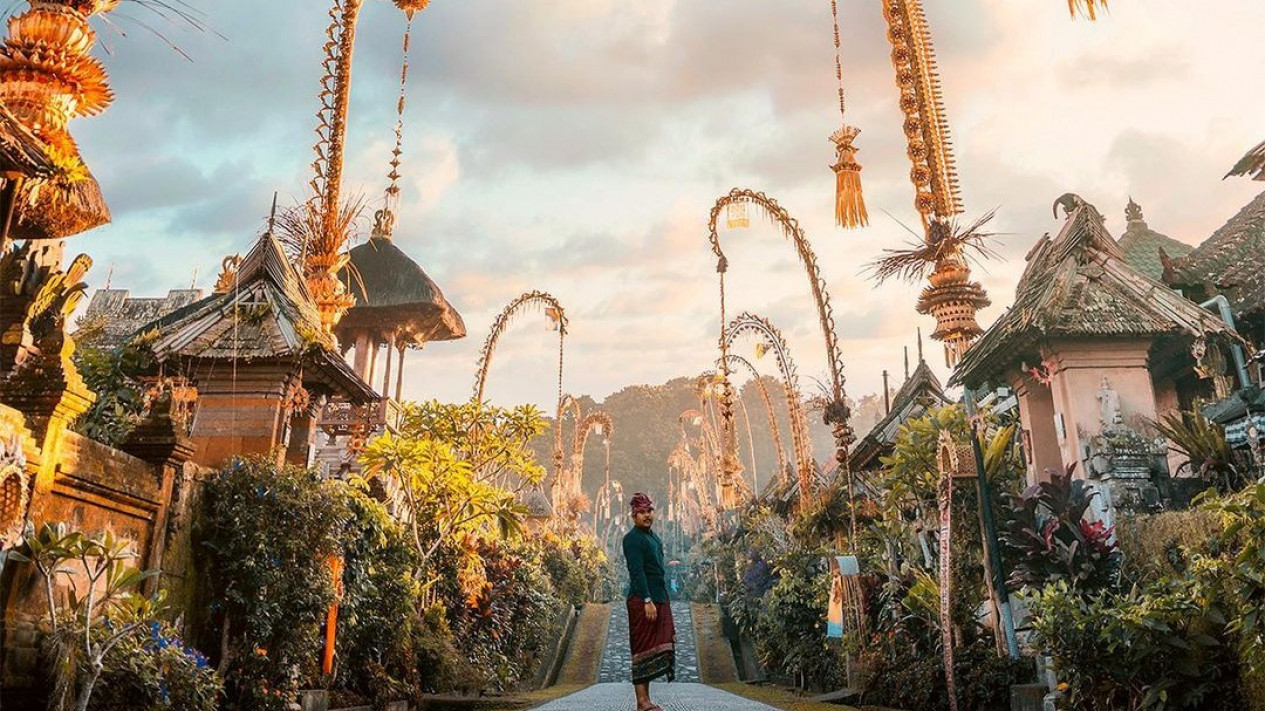
Bali is not just about beaches and luxury resorts, you know! If you are tired of the hustle and bustle of the capital, you can take a vacation to Penglipuran Tourism Village, Bali.
Here, you can feel a more authentic Balinese feel with traditional culture and architecture that is still preserved. The village is known as one of the cleanest villages in the world, and this is no coincidence—it is the result of people’s awareness in taking care of their environment.
The village emphasizes social and cultural aspects in the management of its tourism. Not only exploring the village, you can follow traditional rituals, taste Balinese cuisine, and learn directly from the locals about the philosophy of living in harmony with nature.
Interestingly, this village is also active in preserving the environment, such as organic waste management and reforestation.
By visiting Penglipuran, you not only enjoy the beauty of nature and culture, but also support environmental conservation efforts and Balinese traditions.
Last but not least, siapa yang tidak terpesona dengan keindahan Raja Ampat? This destination is said to be one of the richest marine ecosystems in the world, with 75% of the coral species on earth can be found here.
The high interest of tourists certainly brings its own challenges, and therefore, the concept of ecotourism is key. The government and local communities impose a system of entry permits, restrictions on the number of visitors, as well as strict rules for tour operators.
As a tourist, you can do many exciting things such as diving, snorkeling without touching coral reefs, participating in Coral adoption programs, or living in homestays run by local residents. That way, the beauty of Raja Ampat can continue to be enjoyed by future generations.
The benefits of ecotourism for Environmental Education and the local economy
Ecotourism is not just a sightseeing activity, but also has a huge impact on the environment and local communities. With a concept that focuses on sustainability, ecotourism plays an important role in environmental education, local economic empowerment, and cultural preservation.
Here are some of the main benefits of ecotourism:
1. Education on Nature Conservation
Ecotourism provides an opportunity for you to learn first-hand about the environment and natural ecosystems. Through direct interaction with nature, you can understand the importance of maintaining ecosystem balance and see the real impact of human activities on the environment.
In many ecotourism destinations, educational programs are available that allow you to participate in various conservation activities, such as coral reef rehabilitation, tree planting, or the release of wildlife into their natural habitat. With this hands-on experience, especially for the younger generation, ecotourism instills important values about sustainability and environmental responsibility.
2. Empowering Local Communities
Ecotourism opens up economic opportunities for the surrounding community without damaging nature. Local residents can earn income from various sectors, such as homestay management, becoming a tour guide, to the production of handicrafts and traditional culinary.
With ecotourism, people do not need to rely on the exploitation of natural resources that damage the environment, such as poaching or illegal logging. On the contrary, they can obtain economic benefits in a sustainable and environmentally friendly way.
3. Driving A Sustainable Economy
Ecotourism helps to create a more environmentally friendly economic system by prioritizing sustainability.
In addition, income from ecotourism is often reallocated to nature conservation programs, ecosystem rehabilitation, and improvement of tourist village facilities. Thus, ecotourism also ensures the well-being of the environment and society in the long term.
4. Preserving Cultural Identity
Many ecotourism destinations in Indonesia also focus on preserving local culture. You are invited to get to know more about local wisdom, follow traditional rituals, and learn traditional skills that are passed down from generation to generation, such as weaving, making batik, or playing traditional musical instruments.
With the increasing appreciation of local culture, ecotourism helps local people maintain their traditions. This not only provides added value for tourists, but also prevents the extinction of valuable cultural heritage.
Enjoy Nature While Maintaining Its Sustainability
Those are 8 ecotourism destinations in Indonesia that you must visit, along with all the benefits of ecotourism. In addition to offering an exciting holiday experience, these destinations also have an important role in preserving nature.
Always support ecotourism in Indonesia by taking care of the Earth and the environment wherever you are. So, ready for a meaningful holiday?
Featured Image: ecotourism in Indonesia / Mongabay
What are lichens? Definition, types, characteristics, and functions for the environment
The world of flora has a variety of unique and interesting plants, one of which is mosses or bryophytes. This plant can be found in various places, such as rocks, walls, cliffs, and soil. Although often overlooked, lichens actually play an important role for the environment and humans.
According to Mountain Moss, Moss is able to absorb rainwater like a sponge. This ability helps prevent flooding as well as maintain soil moisture, making it a plant that plays a role in ecosystem balance.
Moss also has benefits for the medical world. For example, liverwort(Hepaticopsida) can be used as a medicine for hepatitis C because it contains antiviral compounds. Later, peat moss (Sphagnum) could be used to treat acne, hemorrhoids, and skin diseases.
For more details, let’s see the definition, characteristics, types, and functions of the following moss plants!
Understanding Moss
Bryophytes (bryophytes) are small plants that do not have transport vessels (Xylem and phloem) to drain water and nutrients. In other words, Moss absorbs water directly through the surface of its body. These plants generally live in humid environments, such as rocks, cliffs, walls, tree trunks, and soil.
Mosses are autotrophic, which means they can produce their own food through the process of photosynthesis with the help of sunlight. In contrast to flowering plants, mosses do not produce flowers or seeds. Instead, mosses reproduce using spores.
Lumut (pixabay.com/ioa8320)
Although it is more commonly found in damp places, Moss can also grow in less wet environments. This is due to the presence of a waxy cuticle layer that envelops its body, thereby reducing excessive evaporation.
One of the unique things about lichens is their different structure from vascular plants. Lichens do not have true roots, stems and leaves, but rather simple structures that perform similar functions.
Moss Plant Structure
Lichen consists of several main parts, namely:
Rhizoids: rhizoids are root-like structures that serve to attach to a substrate (such as rock or soil) and absorb water, minerals, and nutrients.
Pseudo-stem (caulidium): the caulidium is the erect part that resembles the STEM and to which the pseudo-leaves are attached.
Pseudo-leaves (filidium): filidium is a flat structure resembling leaves that grow on the caulidium and serve as a place for photosynthesis.
Spore capsule: the spore capsule is the capsule-shaped part located at the end of the sporophyte stalk. This structure contains spores that will be released when ripe for the reproduction process.
Sporophyte stalk (seta): the seta is the elongated stalk that connects the sporophyte with the gametophyte. Its function is to lift the spore capsule to make it easier to spread.
Characteristics Of Moss Plants
Lichens have unique characteristics that distinguish them from other plants. These plants belong to The Division Bryophyta in the kingdom Plantae and are known as small plants that do not have transport vessels to drain water and nutrients.
Here are the general characteristics of moss plants:
Not flowering
Has no seeds
Reproduction by spores
Lacks true roots, stems and leaves
The roots are rhizoid-shaped, which serves to attach and absorb water and minerals
Generally have a height of about 0.2-10 cm
Living in humid environments, such as rocks, soil, tree trunks, walls, and cliffs
Are autotrophs, that is, they are able to make their own food through photosynthesis with the help of sunlight
Types of lichens
Generally, lichens are classified into three types, namely liverworts (hepaticopsida), hornworts (anthocerotopsida),and mosses (bryopsida):
1. Lumut hati (hepaticopsida)
Liverwort pixabay.com/Puckel)
Liverwort is a type of Moss in the form of a flat sheet with many grooves, resembling The Shape of a heart. According to Nacademy, liverworts are considered the most primitive type of lichen.
This plant usually grows in humid environments, such as tropical rainforests, as well as on rocks or soil near water sources such as rivers and lakes.
Characteristics Of Liverwort:
Body shape sheet, flat, and lobed
Similar to heart shape
Has a lot of indentation
It has no true stem and leaves, but is talus-shaped
The roots are rhizoids
Reproduce sexually and asexually
Autotrophic
Has an umbrella-shaped reproductive apparatus
Sticks to rocks, soil, and leaves of trees
Some examples of common liverwort species include:
Hornwort got its name because it has an elongated sporophyte resembling a horn. This plant is usually found in damp and shady places, such as rocks, soil, ditches, river banks, or lake shores.
Characteristics of hornwort:
Lacks true stems, leaves and roots
The body is flattened like a leaf or ribbon-shaped (talus)
Sporophytes are elongated in shape resembling horns
The roots are rhizoids
Living in symbiosis with cyanobacteria in its cavity
Reproduce sexually and asexually
Some examples of hornwort species that are often found include:
Phaeoceros laevis
Anthoceros fusiformis
Notothylas valvata
3. Mosses (bryopsida)
The light bulb (pixabay.com/adege)
Mosses are the largest group of mosses compared to other types of mosses. This type is found in humid environments, such as forests, swamps, and plantations. Mosses can grow on a variety of surfaces, such as soil, rocks, wood, even a little in the water.
Characteristics of mosses:
The roots are rhizoids
The leaves are sheet-shaped
Have cuticles and stomata
Can grow in harsh or disturbed environments
Experiencing a period of dormancy during the long summer
Reproduce sexually and asexually
It has two forms of generation in its life cycle, the gametophyte (dominant phase) and the sporophyte (spore-producing phase)
Some examples of common lichen species include:
Funaria sp.
Polytrichum sp.
Sphagnum sp.
The function of lichens in ecosystems and Human Life
In addition to acting as small plants that decorate rocks or moist soil, mosses also have important functions in ecosystems and human life. Here are some of the main functions of lichens:
1. Maintaining The Balance Of The Ecosystem
Mosses act as pioneers in ecosystems, being the first plants to grow in environments that do not yet have vegetation, such as rocky areas or arid lands. Mosses help form the soil layer by breaking down rocks and retaining moisture, allowing other plants to grow.
2. Absorb and store water
Moss has a sponge-like ability to absorb rainwater. With this property, Moss helps reduce the risk of flooding as well as keeping the surrounding soil moist.
3. Prevent Soil Erosion
With their ability to retain water and cover the soil surface, mosses help prevent erosion caused by wind or rainwater. This is especially important in hilly areas or soil prone to landslides.
4. Provides Habitat for microorganisms
Lichens become a living space for various microorganisms, small insects and invertebrates. Some small animals make it a shelter and a source of food.
5. Role in the carbon and oxygen cycle
As autotrophic plants, mosses perform photosynthesis, which means they absorb carbon dioxide (CO₂) and produce oxygen (O₂). Thus, lichens help maintain the balance of gases in the atmosphere.
6. Used in medical field
Some types of lichens contain compounds that are beneficial to human health. For example. liverwort (Hepaticopsida) contains antiviral compounds that are used as hepatitis C drugs. While peat moss (Sphagnum) has antiseptic properties that are used in the treatment of wounds, acne, and skin diseases.
7. Used in industry and daily life
Peat moss (Sphagnum) is often used as a growing medium in agriculture and horticulture because it can absorb and store water well. Some mosses also play a role in the manufacture of perfumes and natural coloring materials.
The important role of lichens in ecosystems and life
Mosses may seem like small plants that are often overlooked, but their role in ecosystems and human life is enormous. As pioneer plants, mosses help shape the soil, absorb water, prevent erosion, and provide habitat for a variety of organisms. In addition, Moss also has benefits in the medical, industrial, and agricultural fields.
The presence of mosses contributes to maintaining the balance of the ecosystem as a whole. Therefore, it is important for us to understand and preserve this plant so that its benefits can continue to be felt by future generations. By getting to know more about Moss, we can better appreciate its role in everyday life.
Featured image: pixabay.com/Natalie-Photographie87
Ferns and their benefits for the environment: characteristics, types, Habitat and reproductive system
Have you ever noticed green plants with unique, curled leaves when they were young? That’s Ferns!
In addition to beautifying the environment, these plants also have an important role in the ecosystem. Unlike flowering plants, ferns reproduce using spores and are able to grow in a variety of habitats, from damp forests to stone surfaces. Not only that, some types can even be consumed and used as traditional medicine.
Curious about the uniqueness and benefits of ferns? Let’s go deeper!
Understanding Ferns
Ferns (Pteridophyta) are a group of vascular plants that reproduce through spores.
These plants are better known as ferns or ferns and are often found in a variety of environments, from tropical rainforests to Home yards. Some common examples of ferns that are easily found around us include Clover (Marsilea), suplir (Adiantum), and pole Ferns (Cyathea contamans).
Ilustrasi tumbuhan paku (pexels.com/Erik Mclean)
According to the National Museum of the Philippines, Ferns have various benefits for humans and the environment. Here are some of the main uses of ferns:
Food sources: several types of ferns can be consumed, such as vegetable Ferns (Diplazium esculentum), garuda Ferns (Pteridium aquilinum), and Clover (Marsilea).
Traditional medicine ingredients: Ferns are often used in herbal medicine to treat various diseases. For example, extracts from some types of supplements are believed to have antioxidant and anti-inflammatory properties.
Ornamental plants: because it has a unique and varied leaf shape, many species of ferns are used as ornamental plants, both for interior and exterior.
Maintaining ecosystem balance: Ferns play a role in preventing erosion, absorbing rainwater, and providing oxygen. In addition, this plant is also a habitat for various insects and small animals.
According to Sandy et al. (2016), Indonesia has about 1,300 species of ferns, making it one of the countries with the highest diversity of ferns in the world. Meanwhile, based on data from the Natural History Museum, there are about 13,000 species of ferns in the world, so that about 10 percent of the world’s fern species grow in Indonesia.
With various benefits and roles in the ecosystem, Ferns are one of the important plant groups to be preserved.
Characteristics Of Ferns
At first glance, Ferns look similar to seed plants because they have true roots, stems, and leaves.
However, this plant has unique characteristics that distinguish it from other plants. One of the main characteristics of ferns is their way of reproduction, which does not use seeds or flowers, but spores.
Here are some characteristics of ferns:
Has a transport vessel system: Ferns have a transport network in the form of Xylem (transporting water and minerals) and phloem (transporting the results of photosynthesis).
Undergoes a rotation of offspring (metagenesis): Ferns undergo two phases in their life cycle, the sporophyte phase (produces spores) and the gametophyte phase (produces gametes).
Have rhizomes (stems in the ground): most Ferns have stems that are underground (rhizomes), while some species have towering stems.
Young Leaf shoots curl up: the young leaves of ferns grow by rolling inward, which is one of their characteristics.
There are two types of leaves based on their function: sporophiles (leaves that produce spores) and tropophils (leaves that do not produce spores and function for photosynthesis).
The shape and size of the leaves vary: large leaves are called macrophiles, while small leaves are called microfiles.
Body sizes vary: Ferns can range in size from 2 cm to 5 meters, depending on the species.
Have fine hairs on the lower trunk: these fine hairs serve to help the absorption of water and nutrients from the surrounding environment.
Types of ferns
According to the Natural History Museum, there are about 13,000 species of ferns in the world. Some types of ferns are able to grow and survive in a variety of environments and different climatic conditions. Therefore, Ferns are grouped into several types based on certain aspects.
Tumbuhan paku (pexels.com/Grigoriy)
Here is the classification of ferns:
Types of ferns
1. Ferns by leaf size
By the size of the leaves, ferns are divided into two types:
Macrophages: large-leaved ferns, such as bird’s nest ferns (Asplenium nidus), pole Ferns(Cyathea contamans), and suplirs (Adiantum).
Mikrofil: tumbuhan paku berdaun kecil, contohnya paku rane (Selaginella), paku kawat (Lycopodiopsida), dan paku ekor kuda (Equisetum debile).
2. Ferns by spore shape and size
Ferns are also classified by the shape and size of their spores, which are:
Homospores or isospores: types of ferns that produce only one type of spore of the same size and shape. Contohnya paku kawat (Lycopodiu), paku Dryopteris filix-mas(dari famili Polypodiaceae), dan Homospora nagel.
Heterospores or anisospore: a type of ferns that can produce spores of two different sizes (large female spores and small male spores). For example,the water fern (Marsilea crenata), the nage Fern (Selaginella), and the water fern (Salvinia).
Transitional (mixed): types of ferns that produce spores that are the same size but of different types (male and female sex). For example, Horsetail (Equisetum debile).
3. Ferns based on leaf function
Judging by the function of the leaves, ferns are divided into two types:
Sporophyll: it has leaves that serve to photosynthesize and produce spores.
Tropophyl: it only has leaves that serve for photosynthesis but do not produce spores.
4. Based on the arrangement of leaves and sporangium
Based on the arrangement of their leaves and spores, Ferns are grouped into four main classes:
Ancient Ferns (Psilopsida): ancient ferns that have a simple body arrangement. Psilopsida are also known as naked spikes because of their small leaves and True Roots. Contohnya Rhynia major, Taeniocrada deeheniana, dan Psilotum triquetrum.
Horsetail (Equisetopsida): a fern plant that has a spiral or circular branching, its stem is segmented and hollow, and has rhizomes. The leaves are small (microfilaments) or in the form of transparent scales arranged in a circle. There is a strobilus at the end of the stem, it is a kind of transitional spike. Contohnya Equisetum debile.
Wire spikes (Lycopsida): ferns that have stems with wire-like shapes, small leaves (microfilms) like hairs or scales, and have a collection of sporophiles in the form of strobilus at the end of branching. Take Lycopodium cernuum for example.
True Ferns (Pteropsida): Ferns are very easy to find in the surrounding environment. These Ferns have very varied sizes and shapes, the leaves are large and in the form of sheets. Examples are the suplir (adiantum) and the water Nail (Marsilea crenata).
Habitat Of Ferns
Ferns pixabay.com/schauhi)
Ferns generally grow in shady and humid environments, such as tropical rainforests, rock crevices, and around water sources. This plant can be found attached to tree trunks, soil surfaces, rocks, and even in water.
According to the Aakash Institute, some types of ferns are able to adapt to more extreme environments, such as sandy soils. An example is the Horsetail (Equisetum debile), which can survive in soils with low moisture content.
More specifically, the habitats of ferns include:
Moist and shady forests: the main growing place for most species of ferns.
Rock crevices: some types of spikes can live by sticking to fairly damp rocks.
Tree trunk (epiphytic): a type of epiphytic spike grows by attaching to a tree trunk without taking nutrients from its host.
Aquatic: some species, such as the water fern (Marsilea crenata), grow in aquatic environments such as swamps or river banks.
Sandy soil: certain types, such as horsetail, are able to adapt to drier soil conditions.
Reproductive System Of Ferns
Ferns have two ways of reproducing, namely vegetative reproduction (asexual) and generative reproduction (sexual). In addition, ferns also undergo metagenesis, which is the cycle of rotation of offspring between the sporophyte and gametophyte phases:
1. Vegetative (asexual)reproduction
Vegetative reproduction in ferns occurs in the absence of fusion of sex cells. The main way of vegetative reproduction in Ferns is through stolons or rhizomes (internodal underground stems).
These stolons will produce gemma (buds) which then develop into new plants.
2. generative (sexual)reproduction
Generative reproduction occurs through the fusion of male and female sex cells. The mechanism is as follows:
Ferns produce anteridium (male reproductive organ) that produces spermatozoids and archegonium (female reproductive organ) that produces OVA.
Spermatozoids move towards the ovum using water as a medium.
After fertilization, a zygote is formed, which then develops into a sporophyte (new Fern).
Ferns pixabay.com/albina01)
3. Metagenesis (rotation of offspring in Ferns)
In addition to reproducing vegetatively and generatively, ferns also undergo metagenesis, which is the rotation of offspring between two phases:
Gametophyte phase: spores that fall in the appropriate place will develop into protalium (gamete-producing generation). This Protalium will form the anteridium (producing spermatozoids) and the archegonium (producing OVA).
Sporophyte phase: after fertilization occurs between the spermatozoid and the ovum, a zygote is formed that grows into an adult Fern. This sporophyte will produce new spores, which then spread and start the cycle again.
According to Gramedia Blog, the principle of metagenesis in various types of ferns – both Homosporous Ferns, Heterosporous ferns, and transitional Ferns—has the same pattern.
Knot
Ferns (Pteridophyta) are a group of vascular plants that reproduce using spores. With a unique structure, these plants have true roots, stems, and leaves and undergo rotation of offspring (metagenesis). The variety of species of ferns allows them to grow in a variety of habitats, from moist forests, tree trunks, to sandy soils. In addition, Ferns have various benefits, both as ornamental plants, foodstuffs, traditional medicines, and ecological roles in maintaining ecosystem balance.
With its adaptability and various benefits, Ferns are one of the important plant groups for the environment and human life.
Therefore, the existence of ferns needs to be preserved so that the ecosystem remains balanced and the benefits can continue to be enjoyed by future generations.
Sandy, Pantiwati, Hudha, Latifa. (2016). Species diversity of Tumbuha Paku (Pteridophyta) in the area of Lawean Sendang waterfall, Malang regency. In: Proceedings of the National Seminar II Year 2016. Malang, 26 March 2016. Malang: cooperation of Biology Education Study Program FKIP with the Center for environmental and Population Studies (PSLK) University of Muhammadiyah Malang.
Did you know that humans produce a huge amount of waste every year? Before we go any further, guess what-how much waste is generated around the world each year?
According to data from the World Bank, in 2020 alone, the world produced about 2.24 billion tons of solid waste. This amount is equivalent to the weight of about 6,000 Empire State Building! More worryingly, if there is no change in waste management, this number is expected to increase to 3.88 billion tons by 2050.
Waste itself consists of various types. Each type of waste has its own impact on the environment and human health. Therefore, it is important that we understand how to properly reduce, recycle and manage waste.
Let’s explore more about each type of waste and how we can contribute to reducing its impact on the environment!
Understanding Waste
According to the Ministry of Environment and Forestry (MoEF), waste is the residual material produced from a production process, both industrial and domestic, whose presence is undesirable because it is considered to have no economic value and can pollute the environment.
Meanwhile, the World Health Organization (WHO) defines waste as something that is no longer used, then discarded, and has the potential to cause negative impacts on health and the environment if not managed properly.
In other words, waste is waste or waste that is not used. However, if not managed properly, it can be a threat to the environment and human health. Although many wastes are considered worthless, there are actually various types of waste that can still be recycled and reused for other purposes.
Types of waste
Waste has various characteristics that determine its impact on the environment and the way it is managed.
By understanding the properties of waste, we can be wiser in managing and reducing its impact on the environment. Let’s look at some types of waste in general the following.
1. Based On The Fact That Their Existence
Waste has various characteristics that determine its impact on the environment as well as how it is managed. By understanding the properties of waste, we can be wiser in managing and reducing its impact.
Solid waste is waste in the form of solid or semi-solid objects that are not easily decomposed naturally. Examples include plastic waste, paper, metal, glass, as well as construction waste.
According to the Ministry of Environment and Forestry (MoEF), Indonesia produced about 68.5 million tons of waste in 2022, with 18.5% of it in the form of plastic. Meanwhile, data from the World Bank says about 33% of global waste is solid waste, and most of it is generated from urban areas.
If not managed properly, solid waste becomes a big problem, especially if it accumulates in landfills (TPA). One vivid example of the impact of solid waste can be found in the Citarum River, West Java, which was once known as one of the most polluted rivers in the world due to the accumulation of plastic waste and industrial waste.
In response to these conditions, the government launched the ‘Citarum Harum’ program, an initiative to clean up and restore the river. Although it takes a long time, these efforts have shown progress in improving the condition of the Citarum River.
Liquid waste is one of the types of waste that we most often encounter in our daily lives. Examples include domestic wastewater such as used laundry water, soaps, and detergents, as well as industrial waste derived from manufacturing processes and factories.
According to data from the Ministry of Environment and Forestry (MoEF) in 2021, around 70% of industries in Indonesia dispose of liquid waste without going through an adequate treatment process. One of the real impacts of this is pollution in Jakarta Bay, where the discharge of household and industrial waste leads to increased levels of heavy metals that are harmful to the aquatic environment and marine ecosystems.
If not managed properly, wastewater can contaminate groundwater, rivers, and seas, ultimately impacting human health and ecosystem balance.
Gaseous waste is a type of waste that takes the form of gaseous substances or small particles in the air, which are often invisible but have a great impact on the environment and human health.
Examples include:
Carbon emissions from motor vehicles
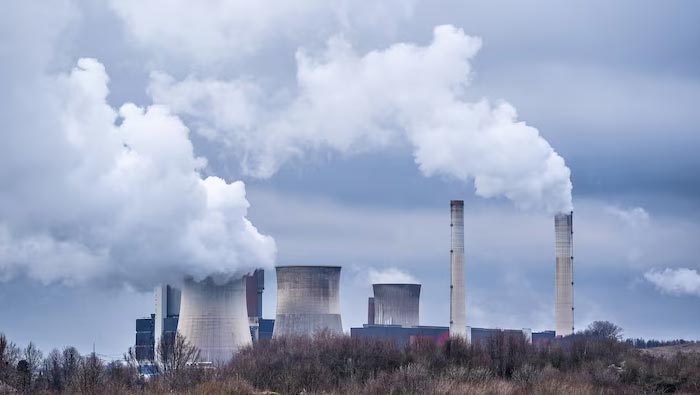
Smoke from factories and power plants
Methane Gas from landfills (TPA)
According to Tempo’s 2022 report, DKI Jakarta recorded the largest contribution to greenhouse gas emissions in Indonesia, with the transportation sector as the main contributor. Air pollution due to this waste gas not only worsens air quality, but also has an impact on public health, such as increasing cases of respiratory diseases.
To reduce gas waste, measures such as switching to environmentally friendly transport, increasing urban greening and tightening regulation of industrial emissions are needed. By joint efforts, we can reduce the negative impact of waste gases on the environment and health.
2. Waste By Source
Waste can be categorized by source, and there are at least seven types of waste according to the source. Here are some of them:
Domestic Waste
Domestic waste is waste that comes from household activities, such as food waste, kitchen waste, plastic, and wastewater from laundry.
According to the Ministry of Environment and Forestry (MoEF) in 2020, Indonesia produces around 67.8 million tons of domestic waste annually. This figure is very large, but it can be suppressed if the community is more active in sorting and recycling waste.
One example of a successful domestic waste management program is the’ waste Bank ‘ in Surabaya. This Program encourages people to sort waste and Exchange it for money or groceries. Thanks to this program, Surabaya has managed to reduce waste deposits by 30% in recent years.
Industrial Waste
Industrial waste is waste resulting from the production process in a factory or manufacturing plant. Its types are very diverse, include:
Liquid waste: chemical residues from the textile, pharmaceutical, or other manufacturing industries.
Solid waste: leftover metal, plastic, or construction materials from the production process.
Waste gases: carbon emissions, factory fumes, or toxic gases resulting from industrial processes.
In fact, the textile industry sector in Indonesia produces about 2.3 million tons of waste annually, and most of it has not gone through a proper treatment process. Industrial waste generally contains hazardous and toxic materials (B3), so it requires special handling so as not to pollute the environment.
In order to reduce the negative impact of industrial waste, enterprises need to implement more environmentally friendly waste treatment systems, such as recycling of production waste and the use of environmentally friendly technologies in the manufacturing process.
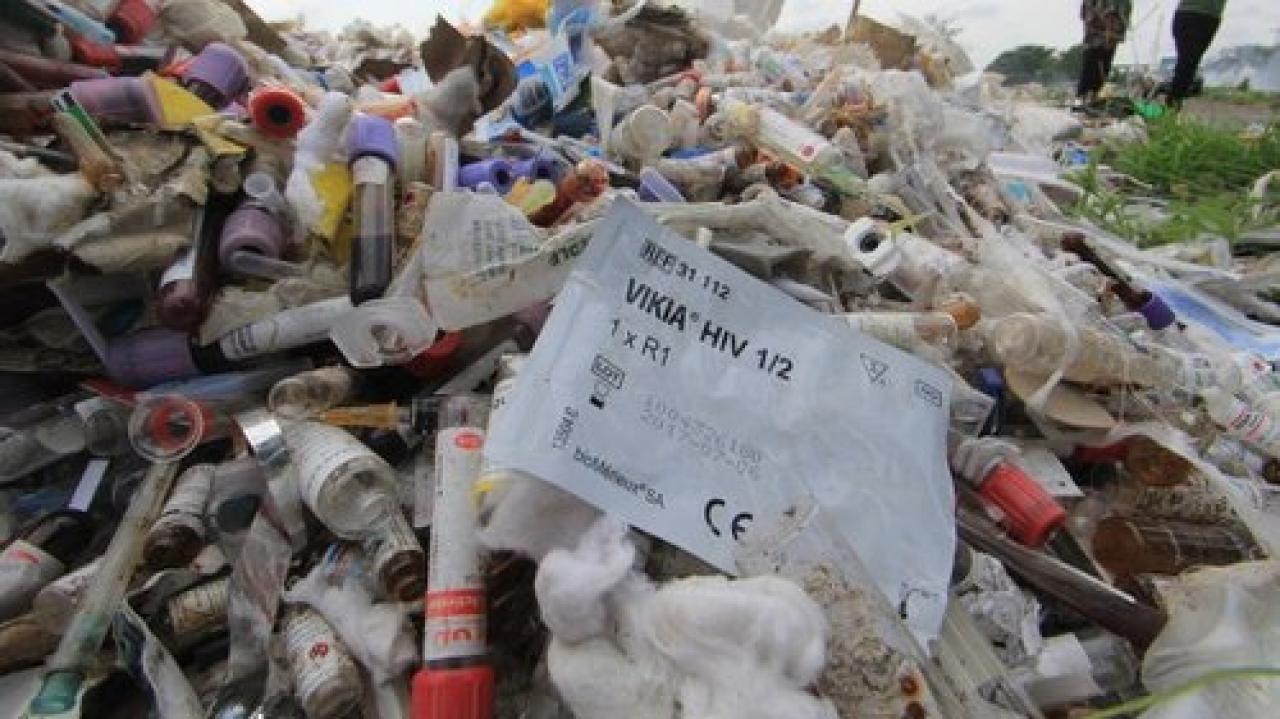
Medical waste or infectious waste is waste generated from health facilities, such as hospitals, clinics, laboratories and pharmacies. Examples include used syringes, used bandages, disposable gloves, as well as expired medicines. This waste belongs to the category of hazardous and toxic materials (B3) because it can transmit diseases and pollute the environment if it is not properly managed.
During the COVID-19 pandemic, the amount of medical waste in Indonesia increased drastically. The Ministry of Environment and Forestry (MoEF) noted that medical waste increased by 500% compared to the previous year. Disposable masks, personal protective equipment (PPE), and other disposable medical equipment are the main contributors to this increase in waste.
To deal with this problem, some hospitals in Jakarta are starting to use incinerator technology, which is a special combustion method to destroy medical waste with high temperatures, so as to reduce the risk of environmental pollution.
Agricultural Waste
Agricultural waste comes from agricultural and plantation activities, including crop residues, straw, rice husks, fertilizers, and pesticides. If not managed properly, these wastes can cause soil and water pollution, as well as contribute to changes in ecosystems.
According to a report from the Food and Agriculture Organization (FAO), about 20-30% of global agricultural crops end up as waste. This figure shows that there are still many potential agricultural products that can be utilized, both as animal feed, organic fertilizer, and bioenergy raw materials.
Electronic Waste (E-Waste)
Electronic waste or e-waste consists of electronic items that are not used, such as broken cell phones, used laptops, televisions, batteries, and other electrical devices. This waste contains hazardous materials such as mercury, lead, and cadmium, which can pollute the environment and harm human health if disposed of carelessly.
However, e-waste also has a high economic value because it contains precious metals such as gold, silver, and copper that can be recycled.
In Bali, there is a community called ‘E-Waste RJ’ which takes the initiative to collect electronic waste from the community, then process it into valuable items. In addition, they also educate the public about the dangers of disposing of e-waste carelessly. This step should be appreciated and can be an inspiration for other regions in managing electronic waste more responsibly.
Construction Waste
Construction waste is generated from building and renovation projects, such as leftover concrete, wood, iron, brick, and glass. These wastes usually accumulate in large quantities and are difficult to decompose naturally, thus contributing to environmental pollution and the crisis of landfills.
To overcome this problem, the construction industry began to implement the concept of recycling building materials, such as reprocessing used concrete and wood for other projects, and using environmentally friendly building materials that are easier to decompose.
Marine Waste
Marine waste is waste that ends up in ocean waters, especially plastic waste, used fishing nets and industrial waste that pollute marine ecosystems.
According to data from Jambeck Research Group in 2015, Indonesia is the second largest contributor of plastic waste to the sea in the world after China, with about 620 thousand tons of plastic waste per year. Plastic waste that pollutes the ocean can harm marine life, such as fish, turtles, and seabirds that accidentally eat plastic or get entangled in garbage.
To address this problem, the government and various environmental organizations continue to campaign for the reduction of the use of single-use plastics, beach cleaning, and Waste Management based on a circular economy.
3. Waste By Their Nature
Waste can also be categorized based on its nature, namely whether the waste is easily decomposed, difficult to decompose, or harmful to the environment and human health. Here are three main types of waste by their nature:
Organic Waste
Organic waste is waste that can be decomposed naturally by microorganisms in a relatively short time. For example, food waste (vegetables, fruits, eggshells), dried leaves and twigs, and agricultural waste (straw, bagasse).
One of the best solutions in dealing with organic waste is to compost. The composting process allows organic waste to be reprocessed into natural fertilizers that can be used to fertilize the soil and reduce environmental pollution.
Inorganic Waste
Inorganic waste is waste that is difficult to decompose naturally and takes tens to hundreds of years to decompose in the environment. Examples include plastic (bottles, plastic bags, styrofoam), glass (glass bottles, broken windows), metal (cans, aluminum, scrap metal).
In fact, single-use plastics take up to 450 years to decompose in nature. Therefore, it is important for us to reduce the use of plastic as well as support the ‘green living‘ movement, such as using cloth shopping bags instead of plastic bags, recycling plastic bottles and packaging, reusing inorganic items so that they do not become waste.
B3 waste (hazardous and toxic materials)
B3 waste (hazardous and Toxic Materials) is a type of waste that contains toxic, corrosive or flammable substances, which can harm human health and pollute the environment.
Examples include used batteries (containing mercury and lead), pesticides (containing chemicals toxic to soil and water), medical waste (used syringes, expired drugs), and chemical industry waste (asbestos, organic solvents)
B3 waste requires special handling so as not to pollute the environment. For example, used batteries should be collected and recycled in B3 waste treatment facilities, not thrown away carelessly.
4. Waste By Hazard Level
Waste can also be categorized based on the level of danger, namely whether the waste is relatively safe or has the potential to damage the environment and human health. Here are the two main types of waste based on their hazard level:
Non-Hazardous Waste (Non-B3)
Non-B3 waste is waste that does not contain toxic or harmful substances, so it is relatively safer for the environment. These wastes can generally be decomposed naturally or recycled without causing significant impacts. For example, Sisa food, waste paper, dry leaves and twigs.
Although non-B3 waste is not harmful, improper management can still lead to accumulation of waste in landfills,so it is important to apply the principles of reduce, Reuse , and recycle .
Hazardous Waste (B3)
B3 waste (hazardous and toxic materials) contains chemicals or materials that have the potential to damage the environment and endanger human health. Examples:
Electronic waste (e-waste): used batteries, broken cell phones, and electronic devices containing mercury and lead.
Industrial chemical waste: organic solvents, paints, and other chemicals that can cause soil and water pollution.
Medical waste: used syringes, expired drugs, and medical devices that have the potential to transmit diseases.
B3 waste must be managed with special procedures, such as treatment in hazardous waste facilities, incineration, or recycling in appropriate places, so as not to pollute the environment.
Cover
Well, buddy # KonservasYIARI, those are the different types of waste that are around us. Each type of waste has its own challenges and solutions in its management.
Waste is indeed one of the great challenges for the environment, but with proper management, its impact can be significantly reduced. Therefore, it is important for us to start from ourselves, by reducing waste production, sorting waste, and supporting recycling programs.
Let’s, together keep the environment clean and sustainable for future generations!
Seed plants and their classification: definition, characteristics, benefits and reproductive system
Have you ever imagined having your own garden?
Perhaps what comes to mind is a beautiful flower garden, a lush vegetable garden, or an orchard full of crops. No wonder, because the three types of plants have a myriad of benefits, both for personal consumption and high economic value if sold.
In the world of agribusiness, one type of plant that is of high economic value is seed plants (Spermatophytes). Because seed plants can be used as food, medicine, clothing, ornamental plants, and industrial raw materials.
Interestingly, seed plants are not only limited to fruits that produce seeds, but also include ornamental plants, food-producing plants, and fiber-producing plants for the clothing industry.
Want to know more about seed plants? Come on, check out the definition, characteristics, classification, benefits, and reproductive system below!
Seed Plants (Spermatophytes)
Seed plants or Spermatophytes are a group of plants that have organs in the form of seeds as a means of reproduction. The term Spermatophyta comes from the Greek, namely sperm which means ‘seed’ and phyton which means ‘plant.’
Seeds act as the main structure in the reproduction of seed plants. This seed is formed from the development of the embryo that is inside the ovule after the fertilization process takes place.
Tumbuhan berbiji (pixabay.com/Sinousxl)
Seed plants have a very wide diversity and are not limited to fruit-bearing plants alone. Citing data from Harvard University BioNumbers, there are about 352,000 species of seed plants in the world, with the majority coming from the group of angiosperms or flowering plants.
In Indonesia, seed plants play an important role in various sectors, ranging from food, clothing, medicine, decoration, to industry. Based on a report from the National Research and Innovation Agency (BRIN), there are about 40,000 species of seed plants that grow in Indonesia.
Interestingly, this figure covers about 9 percent of the total species of seed plants in the world, making Indonesia one of the countries with the highest biodiversity. Some examples of typical Indonesian seed plants include:
Resin (Agathis dammara): used in the resin and varnish industry.
Hajj Fern (Cycas rumphii): an ornamental plant that also has a high conservation value.
Melinjo (Gnetum gnemon): often used as food in the form of chips and vegetables.
Ciri-ciri Tumbuhan Berbiji (Spermatophyta)
Seed plants (Spermatophytes) have a more complex structure compared to other plant groups such as mosses (bryophytes) and ferns (Pteridophytes). Its body part consists of clearly distinguishable roots, stems and leaves.
However, because seed plants are of various types, many people are still often mistaken in distinguishing them from other plant groups. To understand more deeply, here are the general characteristics of seed plants:
Have seeds as the main means of reproduction.
Has a complex network of vessels (Xylem and phloem).
Contains chlorophyll, so it is capable of photosynthesis.
The generation of sporophytes is more complex compared to mosses and ferns.
Reproduce sexually (generative) and asexually (vegetative).
Most live on land, although some can live in aquatic environments.
Sexual breeding tools in the form of flowers or strobilus (conifers).
From the above characteristics, it follows that seeds are the main characteristic that distinguishes seed plants from mosses and ferns. In addition, another advantage of this plant is that it has a more complex network of vessels, which are the xylem and phloem.
The xylem serves to transport water and minerals from the roots to the stems and leaves.
Phloem serves to channel the results of photosynthesis from leaves to all parts of plants, including stems and roots.
The presence of this network of vessels allows seed plants to grow larger and stronger than plants that do not have a network of vessels, such as mosses.
Classification Of Ferns
Seed plants (Spermatophytes) are divided into two large groups, namely gymnosperms (open seed plants) and angiosperms (closed seed plants).
1.Gymnosperms (Open-seeded plants)
Plants with open seeds (pixabay.com/zdenet)
Gymnosperms are a group of seed plants whose ovules are not protected by fruit leaves or pericarp. Therefore, it is referred to as an open-seeded Plant. The word gymnosperm itself comes from the Greek, namely gymnos which means ‘naked’ or ‘open.’
Characteristics of gymnosperms:
The seeds are open, not encased by the fruit.
The trunk is Woody and has a Cambium, so it is generally a large tree.
It does not have true flowers, but it has a means of reproduction in the form of strobilus (conifers).
The leaves are needle-shaped or scaly.
It generally has a large taproot and grows straight down.
It has a transport network in the form of Xylem (Water and mineral transporters) and phloem (photosynthetic transporters).
Tumbuhan berbiji tertutup (pixabay.com/johnNaturePhotos)
Angiosperms are a group of seed plants that have flowers as a means of generative reproduction. In contrast to gymnosperms, the ovules in angiosperms are protected by the ovules, which later develop into true fruits.
Characteristics of angiosperms:
It has ovules protected by ovules.
Consists of various forms of plants, ranging from large trees, vines, shrubs, to non-woody plants.
The root system can be either a fibrous root or a taproot.
It has flowers that serve as a means of generative reproduction.
The leaves are relatively wider and flattened, with a variety of diverse shapes.
The STEM can be branched or unbranched.
It can grow in a variety of habitats, from the polar regions to the tropics.
Seeds are divided into two main groups based on the number of pieces of seeds:
Monokotil (tumbuhan berkeping satu): contohnya, jagung (Zea mays), bawang merah (Allium cepa), keladi (Caladium), padi (Oryza sativa).
Dikotil (tumbuhan berkeping dua): contohnya, cabai merah (Capsicum annuum), kentang (Solanum tuberosum), bunga dahlia (Dahlia sp.), cassava (Manihot utilissima).
The Benefits Of Seed Plants
Seed plants (Spermatophytes) have a high economic value and provide various benefits to humans. This type of plant is used in many sectors, such as food, medicine, decoration, clothing, industrial materials, to environmental preservation.
1. Food ingredients
Seed plants are the main source of food for humans, both as staple foods, vegetables, and fruits. Some crops such as rice, corn, wheat, and sago are staple foods for most of the world’s population.
In addition, various vegetables such as tomatoes, cabbage, potatoes, carrots, kale and spinach are rich in vitamins, proteins and fiber that are beneficial to health. Some grains such as jackfruit seeds, basil seeds, and pine seeds can also be consumed or processed into food.
Meanwhile, fruits such as mango, apple, guava, passion fruit, watermelon, Sapodilla and Cherry are not only delicious but also rich in antioxidants and nutrients that are good for the body.
2. Medicines
Many seed plants contain active compounds that are useful in medicine. One of them is cloves, which are known to relieve pain, reduce inflammation, and have antibacterial properties.
Coriander is often used to help launch the digestive system and maintain heart health. In addition, ginkgo has long been used in traditional medicine to improve the cognitive function of the brain and relieve migraines and other headaches.
3. Decoration and houseplants
In addition to being useful as food and medicine, seed plants are also often used as decorations and ornamental plants to beautify rooms, parks, and landscapes.
Several types of plants such as Hajj Ferns, cypresses, and cacti are often used to decorate homes and gardens because of their unique and aesthetic shapes. In addition, flowers such as roses, hibiscus, daisies, and sunflowers are also very popular as ornamental plants because of the beauty of their attractive colors and shapes.
4. Clothing
The textile industry also relies heavily on seed plants as raw materials for the manufacture of fabrics and clothing. Cotton is the main material in the manufacture of cotton fabrics used in the clothing industry around the world. In addition, the fibers from the hemp plant are also widely used in the production of high-quality fabrics that are strong and durable.
5. Industrial raw materials
Seed plants are also utilized in a variety of industries, from the cosmetics industry to papermaking. Wood from various types of seed trees, such as pine and Acacia, is often used as a raw material for papermaking.
In addition, plant oils and fats such as palm and Olive are widely used in the cosmetic, pharmaceutical and food industries. The sap produced by some types of trees such as rubber is used as a raw material in the rubber industry that produces various products such as tires, gloves, and medical equipment.
6. Building materials
Wood from seed plants also plays an important role in the construction industry and furniture making. Teak wood is known as a very strong and durable material, so it is often used for the manufacture of furniture and buildings. In addition, mahogany wood is also often used in the manufacture of wooden floors, cabinets, and various high-quality furniture products.
7. Environmental Conservation
In addition to providing economic benefits, seed plants also play an important role in maintaining ecosystem balance and environmental sustainability. Plant roots help prevent soil erosion and reduce the risk of flooding and landslides.
In addition, seed plants also function as carbon dioxide absorbers (CO₂) and produce oxygen (O₂) through the photosynthesis process, thus contributing to reducing global warming. The presence of seed plants also helps maintain biodiversity by providing habitat for various species of animals and microorganisms.
Reproductive System Of Seed Plants
Seed plants can reproduce in two ways, namely generatively (sexually) and vegetatively (asexually). Both of these methods allow seed plants to multiply and maintain their viability in a variety of environments.
Tumbuhan berbiji (pixabay.com/ Ray_Shrewsberry)
1. Generative reproduction
Generative reproduction in seed plants occurs through the flower, which serves as the main reproductive organ. This process begins with the formation of male cells (pollen grains) and female cells (stigma).
The process of generative breeding involves two main stages:
Pollination (pollination): the pollen from the stamens falls on the stigma, which can happen through the help of wind, water, insects or other animals.
Fertilization (fertilization): after pollination occurs, the pollen moves towards the ovule through the pollen tube. The sperm cells from the pollen then fertilize the egg in the ovule, so that an embryo or ovule is formed.
Plants that reproduce generatively produce seeds that can later grow into new plants. Examples of seed plants that reproduce generatively include rice, corn, guava, cucumber, bark, mango, tomato, and papaya.
2. Vegetative reproduction
Vegetative reproduction occurs without going through the process of pollination and fertilization. This reproduction is carried out by vegetative organs such as shoots, rhizomes (rhizome roots), or stolons (creeping stems).
Some examples of natural vegetative reproduction mechanisms in seed plants include:
Shoots: for example in bananas and bamboo, which produce shoots from the stem or root.
Rhizoma (rhizome root): for example in ginger and galangal, which develop through rhizome roots in the soil.
Stolons: for example, in strawberries and puzzle grass, which reproduce through creeping stems at ground level.
Plants that reproduce vegetatively can grow faster than plants that reproduce generatively because they do not require the process of pollination and fertilization. Examples of seed plants that reproduce vegetatively include bananas, bamboo, breadfruit, potatoes, and duck cocor.
Cover
Seed plants play an important role in human life and ecosystems. With a wide variety of species and benefits, this plant is not only a source of food, medicine, clothing, and industry, but also contributes to maintaining environmental balance.
In addition, the reproductive system of seed plants, which includes both generative and vegetative reproduction, allows them to constantly develop and adapt to various natural conditions. Understanding the characteristics and benefits of seed plants can help us manage natural resources more wisely, so that their existence is maintained for future generations.
Featured image: Tumbuhan berbiji (pixabay.com/sarangib)
Peatland and its function for the environment, these types and characteristics that must be known
Have you ever stepped on the ground that feels soft, wet, even slightly swaying? If so, chances are you’re in the thick of it!
This land is not just an ordinary wetland, but an ecosystem rich in organic matter and has a crucial role in maintaining environmental balance.
From storing huge amounts of carbon to being home to rare species, peatlands hold many interesting facts that are rarely known. However, behind its tremendous benefits, this ecosystem also faces serious threats due to human activities.
Let’s take a closer look at what peatlands are, how they are formed, and why their preservation is so important to our lives!
Understanding Peatland
According to Wetlands International, peatland is a type of wetland that has a watery soil layer and is composed of dead plant material that undergoes a slow decay process.
Meanwhile, Kamus Besar Bahasa Indonesia (KBBI) defines peatland as land formed from litter, wet plant residues, or rotting puddles and undergoes a very slow decomposition process.
Peatlands are formed through the accumulation of organic matter derived from decaying plant remains over thousands of years. This process occurs in waterlogged environments, such as swamps, river basins and coastal areas.
Menurut buku Creating and Restoring Wetlands (Second Edition) karya Christopher Craft (2022), lahan gambut dapat terbentuk dari berbagai jenis vegetasi, termasuk lumut gambut (Sphagnum), tumbuhan herba, serta vegetasi berkayu.
Because it is formed in an oxygen-poor environment (anaerobic), the organic matter in peat does not decompose completely. The decomposition process, which proceeds very slowly, leads to the accumulation of a large amount of organic matter, thereby forming a thick layer of peat.
Types of peatlands
Peatlands are classified into several types based on location, formation environment, maturity, fertility, and depth.
Types of peat by location
1. Coastal peat
Coastal peat forms around coastal areas and is affected by sea tides. This type of peat gets additional minerals from sea water, so it has unique characteristics compared to other types of peat. The dominant vegetation in this area is mangrove forest.
2. Inland peat
Inland peat is formed far from the coastline and is affected only by rainwater. Unlike coastal peat, this type does not receive mineral enrichment from the sea. Vegetation growing on inland peatlands is dominated by broadleaf Woodlands.
3. Transitional turf
As the name implies, transitional peat is formed between the coastal and inland areas. This type has characteristics that are a combination of coastal peat and inland peat, both in terms of soil composition and vegetation growing on it.
Lahan Gambut (Pexels.com/Lauri Poldre)
Typesof peat based on their formation environment
1. Topogen peat
Topogenous peat is formed in areas of basins or lakes that are directly above mineral soils. The process of its formation is influenced by river water runoff and sea tides.
2. Ombrogen peat
In contrast to topogenous peat, ombrogen peat is formed mainly due to precipitation without significant influence from river or sea water. This type of peat is commonly found in regions not far from the coast.
& nbsp;types of peat based on the level of maturity
1. Saprik peat
Sapric peat is the most mature type of peat. The organic matter in it has undergone complete weathering so that its origin is difficult to identify. The color of this peat varies from dark brown, gray, to black. In texture, sapric peat is smoother than other types of peat.
2. Fibrous peat
Fibric peat is peat that is still young and has not undergone complete weathering. The original material can still be easily identified. The structure of fibrous peat is dominated by coarse fibers with a brown tint.
3. Hemic peat
Hemic peat is a type of semi-mature peat, where some of the organic material has been weathered but there are still parts that can be recognized. The texture is somewhere between Fine sapric peat and coarse fibrous peat. The color of hemic peat is generally Brown.
JEnis peat by level of fertility
1. Eutrophic
This type of peat has a high fertility rate because it is rich in minerals, bases and nutrients. Eutrophic peat is often found in areas that receive mineral supplies from river water or sea tides.
2. Mesotrophic
Mesotrophic Peat has a moderate fertility rate, with a mineral and alkaline content that is not very high but still sufficient to support vegetation growth.
3. Oligotrophic
Oligotrophic peat is the least fertile type of peat because it is poor in minerals and nutrients. This type is generally found in areas that only get water supply from rainfall, without additional minerals from other sources.
JEnis peat by depth
1. Shallow peat
Peatland that has a thickness of between 50-100 cm. This type can generally still be used for agriculture with certain management techniques.
2. Medium peat
Peatland with a thickness of between 100-200 cm. This type of peat begins to contain thicker organic matter and requires special treatment if it is to be used for agricultural or plantation activities.
3. Deep peat
Peatland that has a thickness of between 200-300 cm. This type stores more carbon and tends to be more susceptible to degradation if dried or used unsustainably.
4. Very deep peat
Peatland with a thickness of more than 300 cm. This type has a very high organic matter content and plays an important role in global carbon storage. Very deep peat should still be preserved to maintain ecosystem balance.
Characteristics Of Peatlands
Peatlands have unique characteristics from other lands. The characteristics of peatlands are as follows.
Lahan Gambut (Pexels.com/Valeria Klys)
Thick, soft soil: peatlands are characterized by a thick, soft, dark brown to black layer of soil.
Acidic: the peatland environment has a high level of acidity due to the accumulation of organic matter that decomposes slowly in anaerobic conditions (lack of oxygen).
Inhabited by many peat moss (Sphagnum): peatlands are the main habitat for Sphagnum, a type of moss with a high absorption capacity that plays a role in maintaining soil moisture.
Diversity of flora and fauna: peatlands support biodiversity with many species of plants and animals that are able to adapt to wet environments.
Limited drainage: peatlands have a poor drainage system, so the soil remains water-saturated for a long time, especially during the rainy season or growing crops.
Thick layer of organic matter: peat soils are made up of accumulated organic matter, mainly plant remains that decompose over thousands of years.
Waterlogged soils: because they form in areas with high groundwater levels, peatlands are often in a waterlogged condition.
Diverse vegetation: peatlands support a variety of vegetation types, including peat-forming vegetation, herbaceous plants, and woody vegetation such as trees typical of swamp forests.
Peatland Functions
Peatlands have an important role in maintaining the balance of ecosystems and human life. Here are some of the main functions of peatlands:
1. Carbon storage and climate change control
Peatlands serve as the world’s largest absorber and store of carbon. A thick layer of peat contains organic matter that has not yet been completely decomposed, so it is capable of storing large amounts of carbon. If peatlands are damaged or burned, the stored carbon will be released into the atmosphere in the form of greenhouse gases such as carbon dioxide (CO₂) and methane (chī), which can accelerate climate change.
2. Maintaining hydrological balance
Peatlands act as natural sponges that absorb and store large amounts of water. Its ability to regulate water helps reduce the risk of flooding during the rainy season and maintain the availability of water during the dry season.
3. Habitat for biodiversity
Peatlands are home to a wide variety of flora and fauna, including rare and endemic species such as orangutans, Sumatran tigers, and hornbills. In addition, peat ecosystems also support the growth of various types of typical plants, such as ramin (Gonystylus bancanus) and jelutung (Dyera costulata).
4. Supporting community livelihoods
For people living around peatlands, this ecosystem is a source of livelihood, both through non-timber forest products (such as rattan and forest honey) and environmentally friendly fishing and farming activities.
5. Natural water filter
Peatlands have the ability to filter water naturally by retaining pollutant particles and maintaining groundwater quality. This helps to keep water sources clean for ecosystems and humans.
6. Prevent seawater intrusion
In coastal areas, peatlands serve as natural fortifications that help prevent seawater from entering the mainland. This is important to maintain the balance of freshwater ecosystems and prevent agricultural land degradation due to salinization.
Cover
Peatlands have a very important role in maintaining ecosystem balance, storing carbon, regulating the water cycle, and being a habitat for various flora and fauna. In addition, peatlands also support the lives of surrounding communities by providing natural resources of economic value.
However, threats to peatlands, such as land conversion, fires, and unsustainable draining, can lead to serious environmental impacts, including increased greenhouse gas emissions and loss of biodiversity. Therefore, the preservation and wise management of peatlands is needed so that the benefits can continue to be felt by future generations.
By understanding the function and importance of peatlands, it is expected that awareness of efforts to preserve this ecosystem will increase, both at the individual, community, and government levels.
Featured image: Lahan Gambut (Pixabay.com/Lipponen)
Blue economy: sustainable solutions for the use of Marine Resources
Have you ever wondered what a world would be like without a healthy ocean? The sea is not only a beautiful expanse of blue water, but also a source of life for billions of people, from small fishermen to large industries that depend on the wealth of the sea.
However, overexploitation and pollution have threatened our marine ecosystems. If left unchecked, not only the environment will suffer, but also the global economy and food security.
This is where the blue economy comes in as a solution. The concept offers a smart way to make sustainable use of marine resources, ensuring future generations can still enjoy the benefits.
How does the blue economy actually work? And what are some examples of its application in Indonesia? Let’s dive deeper!
Understanding The Blue Economy
Konsep ekonomi biru pertama kali diperkenalkan oleh Gunter Pauli dalam bukunya The Blue Economy: 10 Years, 100 Innovations, 100 Million Jobs. Pauli defined the blue economy as an economic model inspired by nature, in which resources are used efficiently, waste is minimized, and ecosystem balance is maintained.
Different from traditional economic approaches that often focus solely on financial gain, the blue economy ensures that human activities do not harm the environment, especially marine ecosystems.
According to the World Wide Fund for Nature (WWF), the blue economy is an approach that aims to make sustainable use of marine resources, while maintaining the health of their ecosystems. This means that sectors such as fisheries, marine tourism and renewable energies must be run in an environmentally friendly way so that they can be enjoyed by future generations.
In other words, the blue economy is the way humans make use of the ocean’s wealth without damaging it. It is like, we ‘borrow’ resources from nature, and then return them in the same or even better condition. Thus, it is not simply ‘take, use, consume’, but ‘take, Use, keep, and preserve’.
The concept and history of the Blue Economy
As mentioned earlier, the concept of the Blue Economy was first conceived by Gunter Pauli in 2010. Pauli proposed an economic model inspired by nature, in which resources are utilized efficiently and sustainably without harming the environment.
Over time, this concept evolved and began to be adopted by various countries, including Indonesia, as a solution to manage marine resources responsibly.
The main principle of the blue economy is to make optimal use of marine resources, but still maintain the balance of the ecosystem. It covers various sectors, such as:
Sustainable fisheries -ensuring fish stocks are maintained by implementing environmentally friendly fishing methods.
Marine tourism -developing conservation-based tourism without damaging marine habitats.
Renewable energy -utilizing energy sources from the ocean, such as waves and wind, to reduce dependence on fossil fuels.
Sustainable marine transport -reducing carbon emissions with the use of environmentally friendly technologies in the maritime industry.
With the above principles, the overall artinua of marine activities must be carried out in an environmentally friendly manner. For example, as seen in the following infographic.
In practice, the blue economy puts forward an eco-friendly and inclusive approach, so that all activities related to the sea must be carried out responsibly in order to maintain the balance of the ecosystem.
For example, the blue economy-based fishing industry model not only focuses on fishing, but also ensures the sustainability of fish stocks for future generations.
The government has even compiled a blue economy roadmap as a guide to implementing this concept, as you can see in the following image.
Blue Economy roadmap in Indonesia / source: FKPIndonesia
This roadmap covers various strategic sectors, such as fisheries, tourism, to renewable energy. The main goal is to make Indonesia a sustainable world maritime axis until 2045.
The Important Role Of The Blue Economy
There are several reasons why we should understand and manifest the blue economy for the sustainability of our oceans. Among them are the following.
1. Maintaining the balance of the marine ecosystem
In addition to being a tourist destination, the sea is also home to thousands of species of living things. By implementing a blue economy strategy, we can ensure economic activity does not damage marine ecosystems.
The blue economy emphasizes the sustainable management of marine resources, thus helping to preserve biodiversity as well as the health of marine ecosystems for future generations.
2. Reduce pollution and waste
Marine pollution, especially plastic waste, poses a serious threat to marine life. The blue economy encourages more environmentally friendly business practices, such as reducing the use of single-use plastics, implementing recycling and waste management systems, and developing environmentally friendly innovations in the marine industry.
With this approach, we can reduce pollution and maintain the quality of the marine environment.
3. Reducing the impact of climate change
Marine ecosystems, such as mangrove forests and seagrass beds, play an important role in absorbing carbon emissions and mitigating the effects of climate change.
Through the blue economy, the preservation of these ecosystems can be optimized so that the ocean remains an effective natural carbon sink. In addition, sustainable ocean-based economic practices can also reduce the carbon footprint of human activities.
4. Encouraging economic growth
The sea has enormous economic potential. According to the report of the Ministry of Marine Affairs and Fisheries (2017), the Marine and fisheries sector contributes about 7% to Indonesia’S GDP. In addition, the market value of marine resources and related industries is estimated at USD 3 trillion per year globally.
By applying the principles of the blue economy, the utilization of this potential can be done wisely and sustainably, thus providing long-term economic benefits without damaging the environment.
5. Creating jobs
In addition to benefiting the environment, the blue economy also opens up new job opportunities. The global marine fisheries sector provides about 57 million jobs, and this number continues to grow with the development of marine-based industries, such as seaweed farming, renewable energy from the sea (waves, wind, and tides), and ecotourism and marine tourism.
With proper management, the blue economy can create more jobs and improve the well-being of coastal communities.
6. Improving food security
The ocean is a source of animal protein for about 3 billion people worldwide. By implementing the Blue Economy Strategy, we can ensure that the stock of marine resources is maintained, so as to meet global food needs in a sustainable manner.
As the largest archipelagic country in the world, Indonesia has implemented a blue economy in various sectors to maintain the balance of marine ecosystems while improving the welfare of coastal communities. Here are some examples of blue economy implementation in Indonesia:
1. Seaweed cultivation in East Nusa Tenggara (NTT)
Seaweed is not only a raw material for food and cosmetics, but also a source of livelihood for many fishermen in East Nusa Tenggara (NTT).
Through an environmentally friendly cultivation system, seaweed farmers can increase their income without damaging the marine ecosystem. In fact, according to Binus data (2023), Indonesia is now one of the largest seaweed producers in the world.
2. Marine ecotourism in the Thousand Islands
Kepulauan Seribu in DKI Jakarta is one of the successful examples of the implementation of the blue economy through marine ecotourism. By preserving the marine environment and developing nature-based tourism, this area has managed to attract tourists while improving the local economy.
Activities such as snorkeling and diving in the waters that are still preserved in beauty become the main attraction for tourists. In addition, conservation education is also applied so that tourists can understand the importance of maintaining marine ecosystems.
3. Renewable energy from ocean currents in the Lombok Strait
Indonesia has great potential in the development of renewable energy from the Sea, one of which is through Marine current power plants (PLTAL).
In the Lombok Strait, a pilot project to harness ocean currents as a source of clean energy has been launched. According to Neliti research (2016), this project aims to reduce dependence on fossil fuels and support a green energy transition that is more environmentally friendly.
By utilizing stable and inexhaustible ocean currents, Indonesia can produce energy sustainably without causing high carbon emissions. In addition, the use of Ocean Energy is also in line with global efforts to combat climate change and reduce the negative impacts of global warming.
4. Mangrove conservation in Surabaya
Mangrove Botanical Garden in Surabaya is one example of the success of coastal ecosystem conservation that combines aspects of Environmental Conservation, Education, and tourism. Mangroves play an important role in resisting coastal abrasion, providing habitat for a variety of marine species and birds, and sequestering carbon to mitigate the effects of climate change.
Through mangrove conservation, coastal ecosystems can be maintained while providing economic benefits through the educational tourism sector. Many tourists and students come to learn about the importance of mangrove forests and how to maintain their sustainability.
In addition, the surrounding community also gets economic benefits with business opportunities in the ecotourism sector.
5. Sustainable fisheries management in Southeast Sulawesi
In Southeast Sulawesi, the implementation of the blue economy in the fisheries sector has had a positive impact on smallholders and the environment. Previously, many fishermen used destructive fishing methods, such as fish bombs or Tiger trawls, which led to a decline in fish populations as well as damage to coral reefs.
However, with the approach of the blue economy, fishermen are now starting to switch to more environmentally friendly fishing methods, such as using selective fishing gear and following local regulations regarding fishing seasons.
In addition to helping preserve marine ecosystems, this method also provides long-term benefits for fishermen, as it ensures the availability of fish for the future. In this way, fishermen can make wiser use of marine resources, improve their well-being and maintain the sustainability of the marine ecosystem in their region.
Creating a sustainable future with the Blue Economy
As a maritime country, Indonesia has a great responsibility in maintaining its seas. Support from the government, industry players, and the community is needed so that the concept of the blue economy can be applied widely and effectively. Every small step, such as reducing plastic waste, supporting sustainable fishery products, and participating in marine conservation, will have a big impact on the future of our planet.
Now is the time for us together to realize a greener and more sustainable future by applying the principles of the blue economy in our daily lives. By doing so, we not only safeguard the environment but also create new economic opportunities that are more inclusive and sustainable for all.


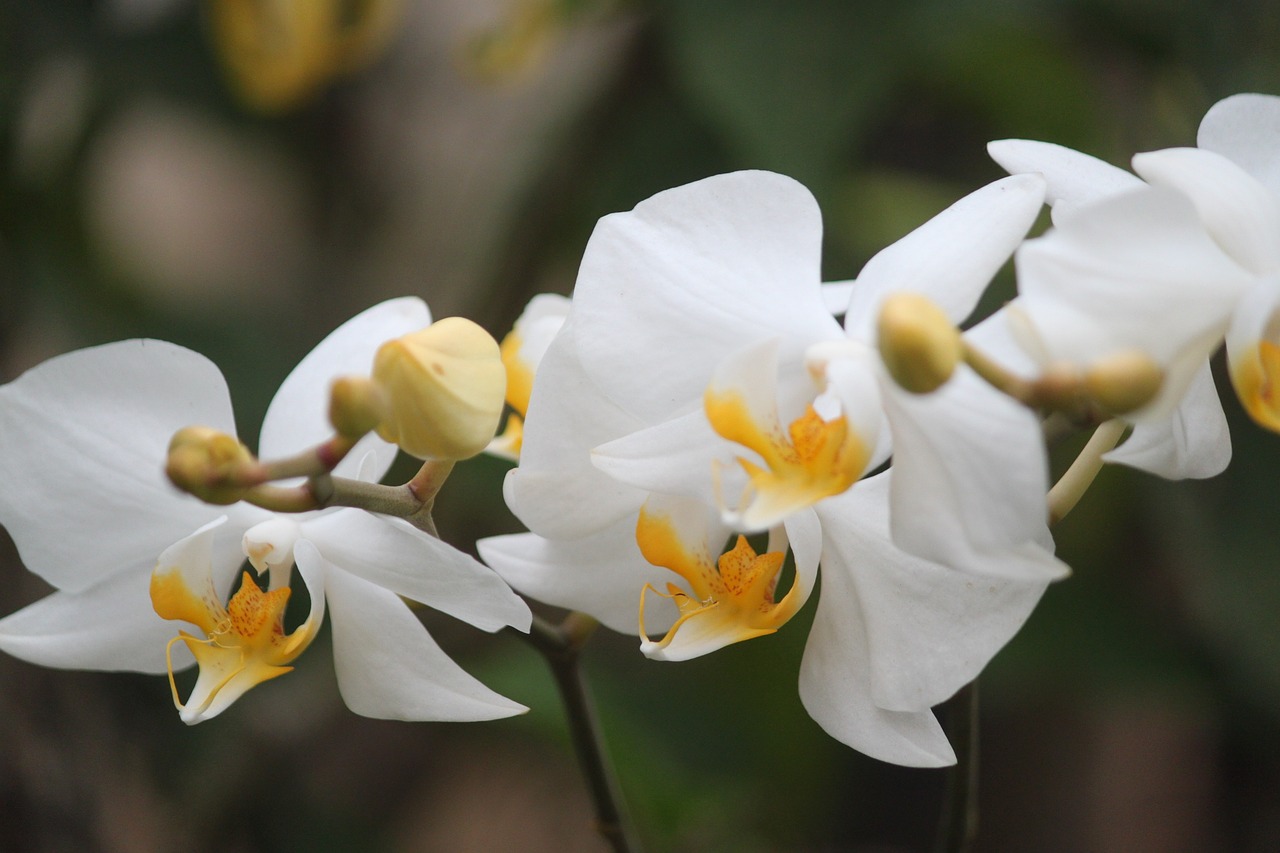


:strip_icc():format(webp)/kly-media-production/medias/3155800/original/070769500_1592454061-flower-1589157_1920.jpg)