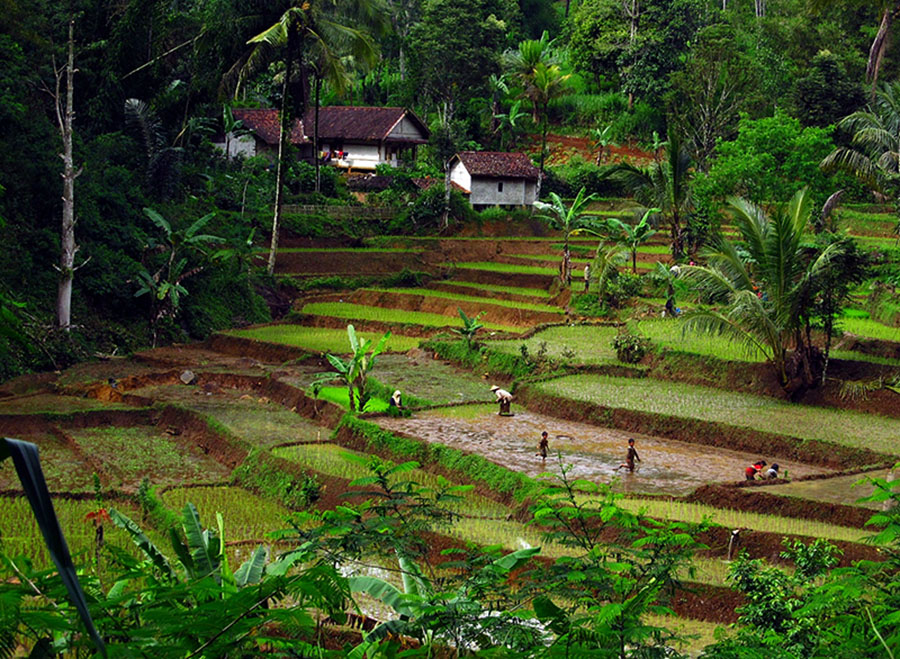
8 examples of ecotourism in Indonesia: enjoying nature while preserving it
# KonservasYIARI,
Have you ever thought that vacation can be a fun way to participate in preserving nature? This is the concept of ecotourism—take a walk while contributing to the environment!
Indonesia, with its incredible natural wealth, is included in the top 10 countries with the best ecotourism index in the world. Not only that, our country also has 209 species of protected animals—the most in the world! Proud, right?
From the tropical rainforests of Borneo, the underwater charms of Raja Ampat, to the vast savannahs of Baluran National Park, Indonesia offers a beautiful and meaningful adventure. It’s no wonder that the trend of ecotourism continues to increase, with millions of tourists choosing eco-friendly destinations every year.
Let’s find out how holidays can be more than just fun, but also have a positive impact on nature!
What Is Ecotourism?
Ecotourism is a form of travel that focuses on Nature Conservation, local community empowerment, and education for tourists. This concept is not only about enjoying the beauty of nature, but also prioritizes responsibility in maintaining the balance of the local ecosystem and culture.
According to Honey (2008) in his book Ecotourism and Sustainable Development, ecotourism carries the principle of responsible tourism with the aim of protecting biodiversity and respecting local customs and culture.
More broadly, ecotourism is part of the concept of sustainable tourism, which is a tourism approach that considers long-term environmental, social, cultural, and economic impacts. This concept is based on four main pillars, namely:
- Environmental sustainability: ensuring tourist activities do not damage natural ecosystems.
- Socio-cultural sustainability: respect and preserve the Customs and culture of local communities.
- Economic sustainability: providing equitable financial benefits to local communities.
- Sustainability management: ensuring all aspects of tourism are managed with the principles of responsibility and sustainability.
Why Is Ecotourism Important?
Ecotourism is not just a trend in the tourism industry, but an approach that has a real impact on the environment, communities and local economies. Here are some reasons why ecotourism is so important:
1. Preserving Nature
Ecotourism helps protect ecosystems by reducing the negative impacts of conventional tourism, such as pollution, habitat destruction, and exploitation of Natural Resources. With the principle of sustainability, ecotourism encourages tourists to be more aware of the importance of maintaining biodiversity and not leaving traces that damage the environment.
2. Empowering Local Communities
One of the main goals of ecotourism is to provide direct economic benefits to local communities. In contrast to mass tourism, which often only benefits large investors, ecotourism creates employment opportunities for local residents, such as tour guides, artisans and homestay managers. In addition, ecotourism also encourages people to preserve their culture and traditions, which is the main attraction for tourists.
3. Raising awareness and education
Ecotourism teaches tourists the importance of preserving local nature and culture. Through hands-on experience, travelers better understand how their actions can impact the environment. Activities such as conservation tours, reforestation programs, or wildlife watching provide in-depth insights into ecosystem sustainability and protection.
4. Supporting A Sustainable Economy
Compared to the exploitation-based tourism industry, ecotourism offers a more sustainable economic model. With a responsible system, income from ecotourism can be used to fund conservation projects, the development of environmentally friendly infrastructure, as well as improving the welfare of local communities without damaging natural resources.
5. Reducing The Impact Of Mass Tourism
Mass tourism often leads to over-tourism which leads to environmental degradation and local culture. Ecotourism offers a more responsible alternative by limiting visitor numbers, implementing strict conservation rules, and encouraging more sustainable tourism practices.
8 examples of ecotourism destinations in Indonesia and their role in helping conservation
Indonesia has a variety of natural tourist destinations that play an important role in Environmental Conservation. From trekking in tropical rainforests to snorkeling in Coral Reef-rich waters, ecotourism in Indonesia is designed to minimize negative impacts on the environment while raising tourists ‘ awareness of the importance of conservation.
So, which ecotourism destinations should be on your travel list?
1. Komodo National Park, East Nusa Tenggara

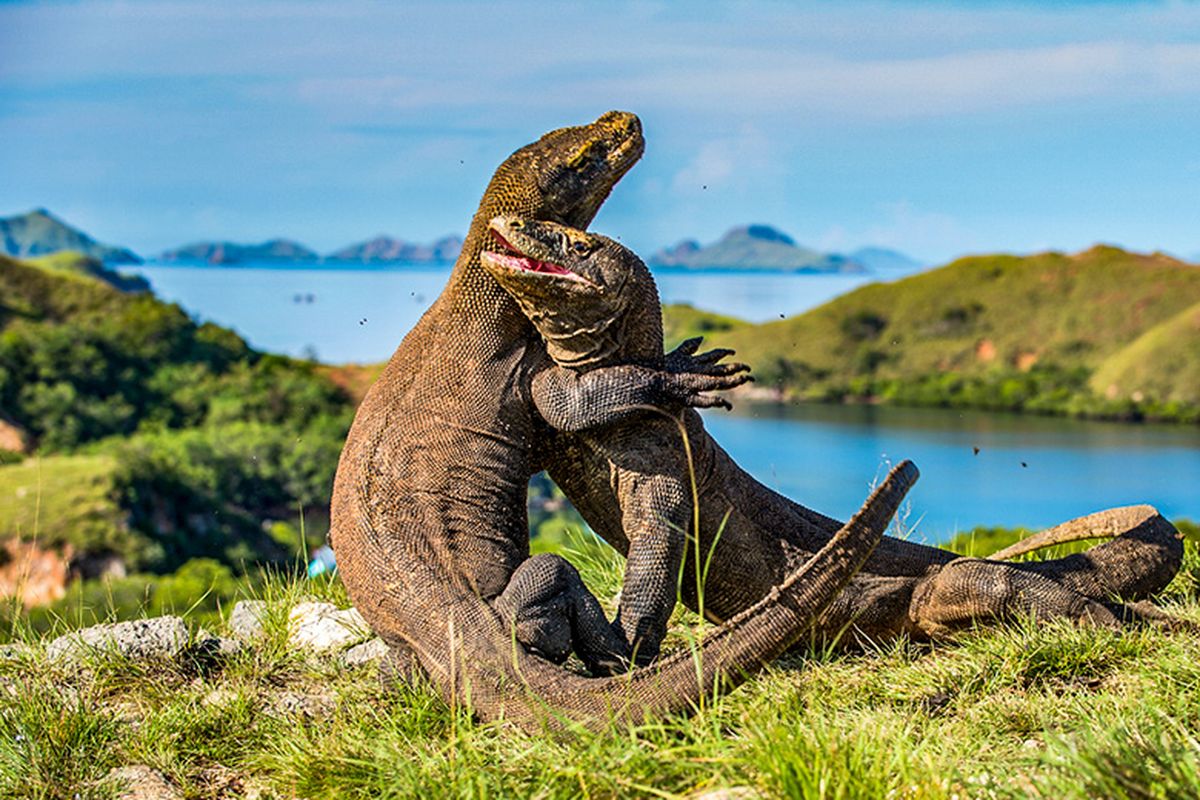
Komodo National Park is the only native habitat for the komodo dragon (Varanus komodoensis), the largest ancient lizard species in the world. This area is a popular tourist destination that implements strict conservation systems, such as restrictions on the number of visitors and registration systems.
It aims to maintain the balance of the ecosystem and reduce interference with the natural habitat of komodo dragons. In addition, the government also implements conservation-based tickets, so that each tourist visit contributes directly to the protection of this species.
In Komodo National Park, you can do various ecotourism activities, such as trekking on Rinca Island and Komodo Island to observe komodo dragons in their natural habitat. In addition, snorkeling in the waters of Pink Beach offers the experience of seeing the incredible marine biodiversity. For a more in-depth experience, you can also visit the komodo Conservation Center and learn about the efforts to preserve these rare animals.
2. Way Kambas National Park, Lampung

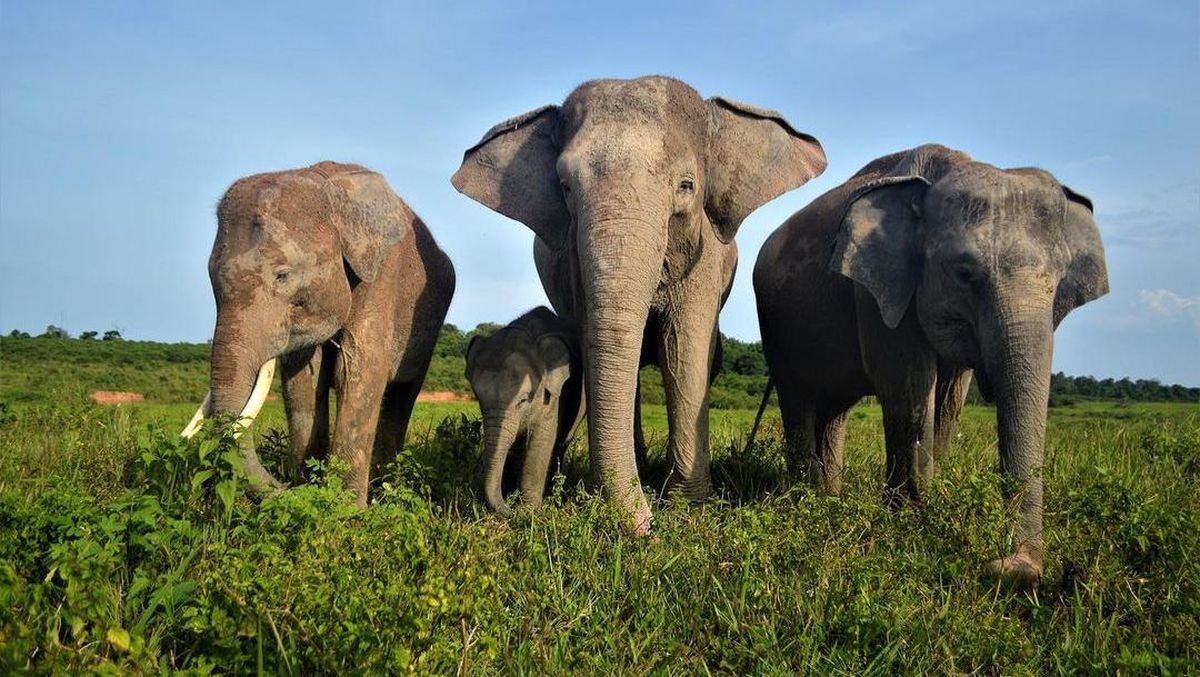
Located in Lampung Province, Way Kambas National Park is a Conservation Center for the endangered Sumatran elephant (Elephas maximus sumatranus). In addition to protecting wildlife, the National Park also plays a role in reducing conflicts between humans and elephants due to deforestation and poaching.
One of the main conservation efforts here is the Elephant Conservation Center, which is responsible for the rehabilitation, training and release of elephants back into the wild.
Tourists who visit Way Kambas can take a nature safari to observe elephants in their natural habitat. In addition to elephants, this National Park is also home to Sumatran tigers, tapirs, and various endemic bird species that can be observed through birdwatching activities.
3. Ujung Kulon National Park, Banten

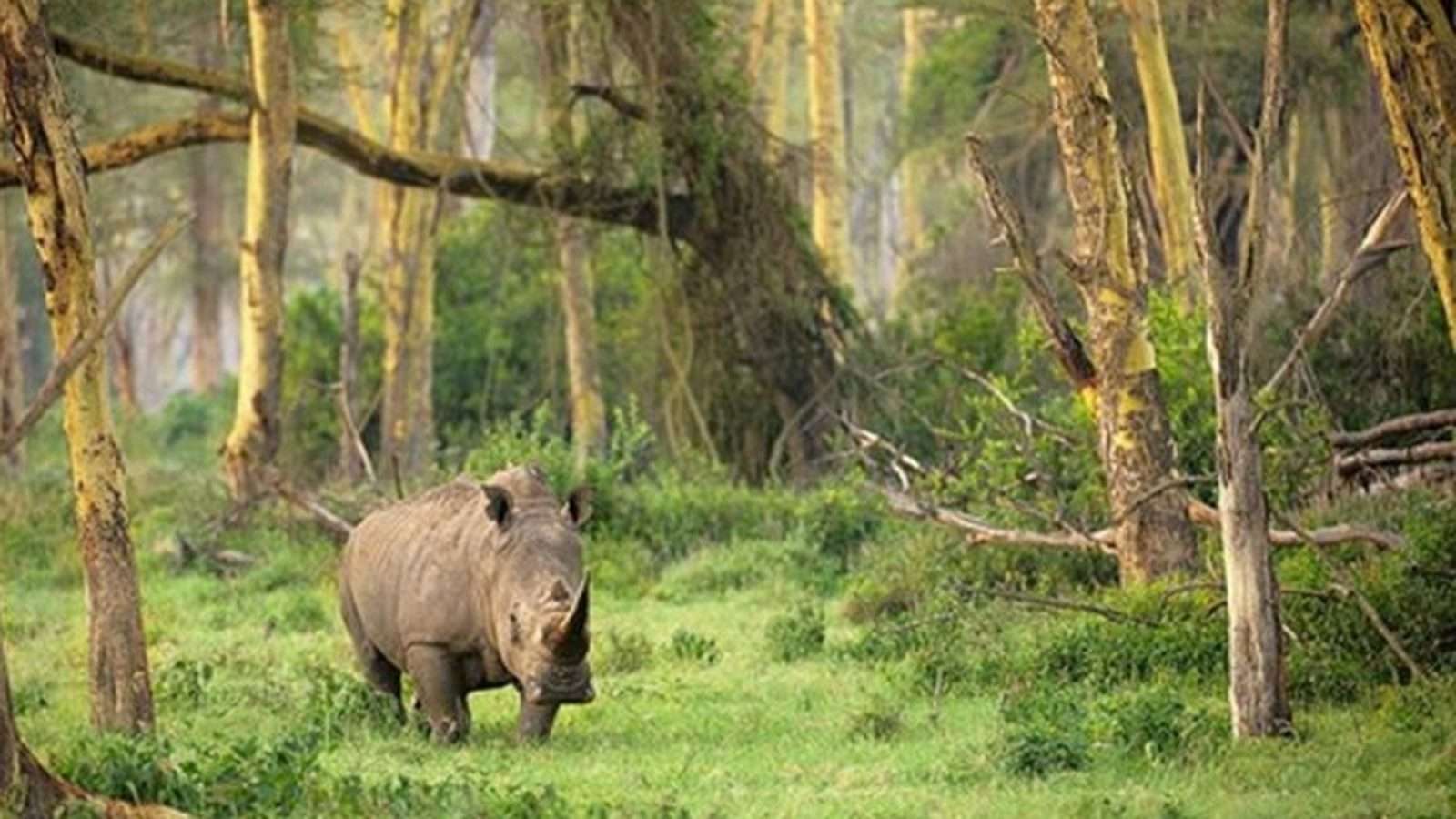
Ujung Kulon National Park is known as the last habitat of the Javan Rhinoceros (Rhinoceros sondaicus), one of the rarest species in the world. Due to its very small numbers, the area is tightly managed to ensure that tourist activities do not interfere with wildlife life.
Ujung Kulon National Park also protects lowland rainforests that are rich in biodiversity, playing an important role in ecosystem balance.
In Ujung Kulon, you can enjoy various ecotourism activities, such as trekking in the rainforest to observe endemic flora and fauna. Birdwatching is also popular, as the area is home to a variety of rare bird species.
4. Bunaken National Park, North Sulawesi


Bunaken National Park is one of the best marine ecotourism destinations in Indonesia, famous for its extraordinary underwater beauty. The region’s coral reefs are home to more than 390 species of coral, 90 species of fish, as well as a variety of other marine life, including green turtles and reef sharks.
To maintain the ecosystem, the government and local communities implement various conservation efforts, such as bans on explosive fishing, rehabilitation of coral reefs, as well as restrictions on the number of divers in sensitive areas.
When visiting Bunaken, you can enjoy various ecotourism activities, such as snorkeling and diving to explore the amazing underwater life. In addition, educational tours on marine conservation are also available, where you can learn the importance of preserving marine ecosystems and how the role of local communities in protecting this area.
5. Tanjung Puting National Park, Central Kalimantan


Tanjung Puting National Park is a Conservation Center for the Bornean orangutan (Pongo pygmaeus), a primate species increasingly threatened by deforestation and illegal trade. The area has several orangutan research and rehabilitation stations, such as Camp Leakey, which was established to rescue and care for orangutans before they were released back to their natural habitat.
One of the best ways to explore this National Park is by taking a klotok, a traditional wooden boat that takes tourists along the Sekonyer River. During the trip, you can observe orangutans in their natural habitat, as well as see various other wildlife, such as proboscis monkeys and hornbills.
6. Nglanggeran Tourism Village, Yogyakarta


Nglanggeran Tourism Village in Yogyakarta offers a unique ecotourism experience by combining natural beauty, local cultural wisdom, and environmental education. This village is famous for the ancient volcano Nglanggeran, a million-year-old geological area that is a major attraction for tourists.
The specialty of this village lies in the conceptof community-based tourism, where local residents act as tour guides, homestay accommodation providers, and managers of various tourist activities. Thus, you can enjoy the beauty of nature while contributing directly to the welfare of the local community.
You can also try various ecotourism activities, such as climbing an ancient volcano, learning to grow crops in a citizen’s garden, participating in forest conservation, or participating in regional handicraft workshops.
7. Penglipuran Tourism Village, Bali

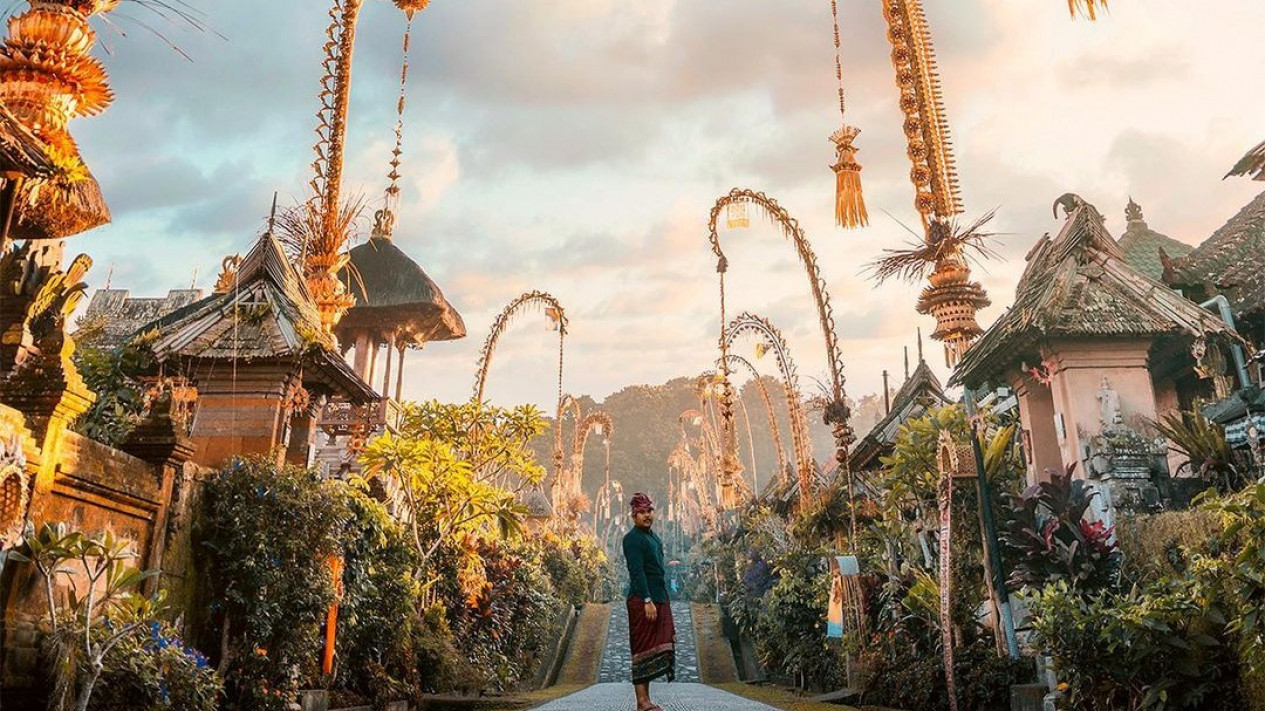
Bali is not just about beaches and luxury resorts, you know! If you are tired of the hustle and bustle of the capital, you can take a vacation to Penglipuran Tourism Village, Bali.
Here, you can feel a more authentic Balinese feel with traditional culture and architecture that is still preserved. The village is known as one of the cleanest villages in the world, and this is no coincidence—it is the result of people’s awareness in taking care of their environment.
The village emphasizes social and cultural aspects in the management of its tourism. Not only exploring the village, you can follow traditional rituals, taste Balinese cuisine, and learn directly from the locals about the philosophy of living in harmony with nature.
Interestingly, this village is also active in preserving the environment, such as organic waste management and reforestation.
By visiting Penglipuran, you not only enjoy the beauty of nature and culture, but also support environmental conservation efforts and Balinese traditions.
8. Raja Ampat Islands, West Papua


Last but not least, siapa yang tidak terpesona dengan keindahan Raja Ampat? This destination is said to be one of the richest marine ecosystems in the world, with 75% of the coral species on earth can be found here.
The high interest of tourists certainly brings its own challenges, and therefore, the concept of ecotourism is key. The government and local communities impose a system of entry permits, restrictions on the number of visitors, as well as strict rules for tour operators.
As a tourist, you can do many exciting things such as diving, snorkeling without touching coral reefs, participating in Coral adoption programs, or living in homestays run by local residents. That way, the beauty of Raja Ampat can continue to be enjoyed by future generations.
The benefits of ecotourism for Environmental Education and the local economy
Ecotourism is not just a sightseeing activity, but also has a huge impact on the environment and local communities. With a concept that focuses on sustainability, ecotourism plays an important role in environmental education, local economic empowerment, and cultural preservation.
Here are some of the main benefits of ecotourism:
1. Education on Nature Conservation
Ecotourism provides an opportunity for you to learn first-hand about the environment and natural ecosystems. Through direct interaction with nature, you can understand the importance of maintaining ecosystem balance and see the real impact of human activities on the environment.
In many ecotourism destinations, educational programs are available that allow you to participate in various conservation activities, such as coral reef rehabilitation, tree planting, or the release of wildlife into their natural habitat. With this hands-on experience, especially for the younger generation, ecotourism instills important values about sustainability and environmental responsibility.
2. Empowering Local Communities
Ecotourism opens up economic opportunities for the surrounding community without damaging nature. Local residents can earn income from various sectors, such as homestay management, becoming a tour guide, to the production of handicrafts and traditional culinary.
With ecotourism, people do not need to rely on the exploitation of natural resources that damage the environment, such as poaching or illegal logging. On the contrary, they can obtain economic benefits in a sustainable and environmentally friendly way.
3. Driving A Sustainable Economy
Ecotourism helps to create a more environmentally friendly economic system by prioritizing sustainability.
In addition, income from ecotourism is often reallocated to nature conservation programs, ecosystem rehabilitation, and improvement of tourist village facilities. Thus, ecotourism also ensures the well-being of the environment and society in the long term.
4. Preserving Cultural Identity
Many ecotourism destinations in Indonesia also focus on preserving local culture. You are invited to get to know more about local wisdom, follow traditional rituals, and learn traditional skills that are passed down from generation to generation, such as weaving, making batik, or playing traditional musical instruments.
With the increasing appreciation of local culture, ecotourism helps local people maintain their traditions. This not only provides added value for tourists, but also prevents the extinction of valuable cultural heritage.
Enjoy Nature While Maintaining Its Sustainability
Those are 8 ecotourism destinations in Indonesia that you must visit, along with all the benefits of ecotourism. In addition to offering an exciting holiday experience, these destinations also have an important role in preserving nature.
Always support ecotourism in Indonesia by taking care of the Earth and the environment wherever you are. So, ready for a meaningful holiday?
Featured Image: ecotourism in Indonesia / Mongabay