Silakan atur halaman utama di Settings → Reading → Your homepage displays
dan pilih A static page, lalu pilih halaman dengan template Home.
Translation test
The beauty of Indonesia’s nature is truly undeniable, from exotic island chains to towering green mountains. This biodiversity is a major attraction for foreign tourists to visit and enjoy our natural wealth. However, this charm will not last long if we lack collective awareness to care for and protect the existing ecosystems.
Therefore, maintaining environmental cleanliness is a shared responsibility that must start from small daily habits. Simple steps like reducing single-use plastics and disposing of waste properly can have a significant positive impact on the sustainability of our planet. By preserving nature, we not only save ecosystems but also ensure a healthier and greener life for future generations.
Seminar results of a rapid survey of long-tailed monkeys on 4 islands in Indonesia: threats and expectations
The long-tailed monkey with the scientific name Macaca fascicularis, is one of the most widespread primates in Indonesia. In fact, some of its subspecies are only found on small islands and are now facing serious pressure.
To reveal the latest condition of the species, the Directorate of Species Conservation and genetics of the Ministry of Forestry together with YIARI (Yayasan Initiasi Alam Rehabilitasi Indonesia) organized a Seminar on the results of a rapid survey of long-tailed monkeys on four islands in Indonesia on March 18, 2025.
What are the important results of this seminar related to the conservation of long-tailed monkeys? Here’s the summary.
Results and impact of the Seminar results of a rapid survey of long-tailed monkeys on 4 islands in Indonesia
Background and conduct of the survey
Located at the Manggala Wanabakti building, Jakarta, this hybrid seminar presented academics and conservation organizations to discuss the results of a rapid survey of long-tailed monkeys (MEP) conducted by YIARI with the Directorate General. KSDAE Ministry of Forestry, BKSDA Aceh, BKSDA East Kalimantan, and BTN Karimunjawa.
The survey was conducted from May to July 2023 in four locations, namely Simeulue Island, Lasia Island, Karimunjawa National Park, and Maratua Island. The four islands are known to be a habitat for subspecies of long-tailed monkeys that have distinctive morphological characteristics and a very limited geographical distribution.
The lack of scientific data on their population and distribution makes these areas a priority in primate conservation in Indonesia. In addition, the taxonomic status of the four subspecies has not been supported by sufficient molecular data. Therefore, this survey is an important step to support more targeted and scientifically evidence-based conservation efforts.
Survey findings and their impact on conservation strategies
Mr. Silverius Oscar excelled giving a sabutan on the pulpit (Hasna Latifatunnisa|YIARI)
The chairman of YIARI, Silverius Oscar Unggul, stressed that this survey provides a more comprehensive picture of the condition of long-tailed monkey populations in areas that have received less attention.
The resulting Data is an important reference for governments, academics, and conservation organizations in developing long-term preservation strategies.
Further research, especially in the field of genetic studies and Macaca conservation, is needed to deepen scientific understanding while perfecting the conservation approach applied.
One of the important components in maintaining the survival of long-tailed monkeys in the Wild is to provide education to the community in order to foster collective awareness.
This Seminar is expected to form a joint commitment in strengthening the protection of long-tailed monkeys in their natural habitat, as well as producing concrete recommendations to improve conservation effectiveness through synergy between the government, non-governmental organizations, and academics.
The results of this discussion are expected to be the foundation of a stronger conservation policy, based on scientific data, and able to encourage conservation efforts in the future.
However, the strategies developed will not be effective without a deep understanding of the real threats facing this species in the field.
Serious threat to long-tailed monkeys
On the same occasion, Silverius also highlighted the various serious threats facing long-tailed monkeys, especially due to illegal rearing practices and increasing conflicts with humans.
The demand for monkeys as exotic pets has been growing steadily in recent years. Capture from the wild not only endangers the individuals taken but also the mothers of the tragically killed long-tailed baby monkeys, but also damages the social structure of the group in the native habitat.
Torture of long-tailed monkeys is also common, making them live in conditions that are not in accordance with animal welfare standards. In fact, every animal is entitled to 5 Freedoms or five freedoms that must be met to ensure the quality of life of animals. Such freedom includes: freedom from hunger and thirst, discomfort, pain and injury, freedom to behave naturally, and freedom from stress and fear.
Without immediate and coordinated protection efforts, the population of long-tailed monkeys on small islands is threatened to continue to decline and faces the risk of extinction.
Recognizing the urgency of the threat, various parties are now pushing for strengthening conservation efforts that are more structured and data-based.
Data-driven conservation expectations and efforts
Speaker and MC sitting on stage during the seminar (Hasna Latifatunnisa|YIARI)
In this context, the Seminar on the results of a rapid survey of long-tailed monkeys on four islands in Indonesia became an important momentum in formulating more scientific and systematic conservation measures.
Director of species and genetic Conservation, Nunu Anugrah S.Hut., M.Sc., said that the priority of future species conservation activities will be focused on the IUCN Red List approach, an important instrument for monitoring changes in the conservation status of species over time.
This approach is considered crucial because it can help understand the dynamics of animal populations scientifically, and become the basis for designing conservation policies that are more targeted and science-based.
Slide presentasi IUCN Red List yang ditampilkan pada layar proyektor (Hasna Latifatunnisa|YIARI)
As part of strengthening national capacity, the Ministry of Forestry together with BRIN and ID SSG IUCN are formulating the establishment of a national institution or committee that will play a role in conducting an independent assessment of the status of Threatened Species in Indonesia.
The hope is that the results of the Seminar on the results of a rapid survey of long-tailed monkeys on 4 islands in Indonesia can be a strategic reference for more structured and systematic conservation investments, involving various stakeholders.
YIARI is also actively developing a long-tailed monkey conservation program, with special attention to zoonotic issues, animal welfare, and mitigation of conflicts between humans and animals.
Long-tailed monkey and ape population data collection in Sumatra, Java, and Kalimantan also continues to be carried out as a basis for strengthening protection strategies.
These measures are evidence that long-tailed monkey conservation requires cross-sector collaboration, is based on science, and is based on a long-term commitment.
Support Together The Survival Of Long-Tailed Monkeys
Participants who attended the hybrid seminar on the results of a quick survey of long-tailed monkeys on 4 islands in Indonesia (Hasna Latifatunnisa|YIARI)
Seminar on the results of a rapid survey of long-tailed monkeys on 4 islands in Indonesia provides a deeper understanding of the challenges that threaten the survival of this species.
Their protection requires real support from various parties, ranging from governments, communities, to conservation organizations.
Here are some steps we can take together:
1. Avoid Keeping Wildlife
The long-tailed monkey is a wildlife that has an important role in maintaining the balance of the ecosystem. Keeping them as pets actually damages the social structure of their group and accelerates population decline in nature.
2. Raising Awareness About The Dangers Of Animal Exploitation
One of the major challenges in conservation is the lack of public understanding of the impacts of wildlife trade. Education about the importance of protecting animals can reduce the demand for long-tailed monkeys as pets.
3. Spreading Information About The Importance Of Conservation
The more people know the importance of protecting endangered species, the greater the impact. Dissemination of educational and accurate information can foster concern and community participation in conservation efforts.
YIARI continues to develop various long-tailed monkey conservation programs through research, education, and collaboration with various parties.
Support from all walks of life is essential to maintain the existence of this species in the wild.
Come on, take part in preservation efforts. Spread this information so that more people care and help keep long-tailed monkeys from exploitation and extinction.
The Power of Mama: Mothers as the Frontline Guardians of the Forest
When most people began to relax at home, a group of mothers on the outskirts of Ketapang village was preparing to go around the village. Not for grocery shopping or huddling, but for patrolling. In fiery red clothes and in high spirits, they walked down the path, examining fire-prone spots.
Ketapang is an area where the majority of the population work as farmers and ranchers. The main commodity in the region is oil palm, due to its suitable climate and the ability of this crop to be harvested throughout the year.
Meanwhile, rice grown in Ketapang is generally a type of sendua rice or annual rice, which can only be harvested twice a year. This is in contrast to the Java region, where rice can be harvested up to three or four times a year. This difference is caused by low rainfall around Ketapang, which has an impact on the availability of water for agriculture.
The Power of Mama during fire extinguishing (TPoM Team | YIARI)
Most of the land in Ketapang is peatland, which is moist soil formed from piles of plant remains that have not been completely destroyed. When the dry season comes, this type of soil becomes very dry and flammable. Coupled with strong winds, fires can spread quickly. Even a carelessly thrown cigarette butt can be a trigger for a fire.
Every dry season, fires can occur 1-2 times a year, bringing major impacts such as on land yields, air pollution, and citizen health. Seeing this threat repeated, mothers in some villages decided not to remain silent. They formed The Power of Mama (TPOM), a group of resilient mothers who regularly monitor fire hotspots and actively educate residents about early prevention of forest fires.
Starting with the initiation of Mrs. Siti and Mrs. Maimun, in Sukamaju Village and Pematang Gadung Village. Currently, TPOM has been present in eight villages: Pematang Gadung, Sungai Besar, Suka Maju, Sungai Awan Kiri, Tanjung Pura, Ulak Medang, Kuala Tolak, and Sungai Putri. Every day, from 10 a.m. to 3 p.m., they patrol along fire risk points.
Socialization of forest and land fires to the surrounding community ( Tpom |YIARI team )
In addition to routine patrols, TPOM also actively socializes directly to residents about the dangers of indiscriminate land burning and the importance of preserving the environment. They do not necessarily prohibit the activity of burning land, but emphasize education about safe burning—such as creating water ditches as a barrier so that the fire does not spread, providing extinguishers on site, and ensuring that the burning process when clearing land is supervised by related parties. This approach is TPOM’s way of bridging local customs with fire prevention efforts, encouraging residents to be more careful and responsible in managing their land.
The presence of TPOM brings real changes in the surrounding environment. Cases of fires that used to occur frequently are now significantly reduced, and citizens are increasingly aware of the importance of early prevention. However, the patrol terrain that these mothers have to go through is far from easy. Rocky roads, remote locations, to hot weather become daily challenges that cannot be considered trivial.
Tpom trip to patrol location (Ucil | YIARI)
One of the funny but memorable stories came from Mrs. Daniar when she was patrolling with Mrs. Waskia. He recalled one incident: ‘we were on patrol and saw a fire. I panicked, so focused on the fire that I didn’t realize there was a palm trunk in front. Because I was too focused on the fire, I even crashed into the palm tree! I fell, but instead of getting sick, I laughed at myself. Then it immediately rose again, continue to serve.” The story became a picture of the tireless spirit as well as the warm side of their struggle. Because behind the hard work and the risks they face, there is laughter, friendship and the strength that grows from being together.
Many TPOM members initially did not have technical skills. But through various trainings such as fire fighting, the use of drones, the manufacture of organic fertilizers, public communication, and the use of social media and photography, they continue to learn and develop. TPOM proves that women are also able to be environmentalists, firefighters, as well as drivers of change in their communities.
TPoM during SMART training ( Heribertus Suciadi | YIARI )
The impact of the existence of TPOM is very visible. Residents began to switch to more environmentally friendly methods of clearing land, such as the use of herbicides. TPOM not only extinguishes the fire, but also ignites the awareness of protecting nature.
Their stories are also not always serious. When the patrol coincides with the harvest season, the mothers often get fresh fruit souvenirs from the residents. In between small talk, they slip socialization about the dangers of forest fires, urge not to burn land, explain the risks, and introduce safer ways. Patrol is also a moment to learn, build familiarity, and strengthen their role in the community.
On the anniversary of TPOM, on June 16, 2025, a total of 118 women from eight villages gathered at the yiari (IAR Indonesia Foundation) office, Ketapang. This event is a moment to celebrate three years of their journey, ranging from hard work, togetherness, to real contributions in protecting the environment.
The third anniversary celebration of The Power of Mama (Muffidz Masum | YIARI)
The Power of Mama is not just a name, but a symbol of the strength of village women who dare to guard the Earth for future generations. From the corners of Ketapang, they prove that big changes can start from small steps and sincere spirit.
Auhtor : Theoni Damaris Foedianto
Featured Image: The Power of Mama during fire extinguishing (TPoM Team | YIARI)
BioAcoustic harmony for conservation: stories from SIMBA 2025
Acoustic recorders are one of the tools that can be used to monitor biodiversity, although their use is still relatively rare. At the end of last May, I had the opportunity to attend Symposium of Indonesia-Malaysia Bioacoustics 2025 (SIMBA 2025) di Universiti Terengganu Malaysia.
The event was organized by the University of Terengganu Malaysia in collaboration with K. Lisa Yang Center for Conservation Bioacoustics, Cornell Lab of Ornithology, Cornell University dan Universitas Gadjah Mada. This activity is a forum to build a BioAcoustic network and exchange knowledge for BioAcoustic practitioners, especially in Indonesia and Malaysia.
Group discussion discusses BioAcoustic guide for beginners (Simba 2025 committee)
This is my second time participating in SIMBA, after previously participating in SIMBA 2023 held at Gadjah Mada University. On this occasion, I represent Yayasan Initiasi Alam Rehabilitas Indonesia (YIARI) to deliver the interim results of our research on the sound response of Bornean orangutans (Pongo pygmaeus) and kelawo Gibbons (Hylobates albibarbis) to anthropogenic sounds in the Pematang Gadung Village Forest of West Kalimantan.
This experience was a very valuable experience for me because I was able to share the results of the hard work of the Pematang Gadung Village Forest Management Institute (LPHD) and YIARI in maintaining the Pematang Gadung Village Forest and get direct input from BioAcoustic experts. Not only that, I also had the opportunity to meet old friends and new friends of bioacoustic researchers with their equally interesting research and opportunities to learn and collaborate in the future.
Selfie with SIMBA 2025 participants from various countries (Ashraft Yusni)
The keynote speaker at the symposium was Dena Jane Clink from K. Lisa Yang Center for Conservation Bioacoustics, Cornell Lab of Ornithology, Cornell University dan Asman Adi Purwanto dari BISA Indonesia. The speaker delivered about the development of the use of BioAcoustic recording devices as an important tool in efforts to protect biodiversity. This method is a non-invasive method that allows large-scale data collection to understand biodiversity, including species distribution, behavior patterns, and threats to ecosystems.
Speakers emphasised the importance of building networks to blend scientific research and conservation action in harmony. Two key emerging initiatives— The BEAT program and SIMBA-are platforms for BioAcoustic practitioners to address challenges such as lack of access to technology and knowledge by fostering collaboration between researchers, local communities, NGOs and governments. This initiative actively plays a direct role in species conservation efforts in Indonesia and Malaysia.
Group photo of SIMBA 2025 participants at Wetland School of Setiu (SIMBA 2025 Committee)
In addition to participating in the symposium, I had the opportunity to visit the Wetland School of Setiu, which is a community empowerment program initiated by UMT. Here I learned about the culture of the Setiu people, learned to make satar (typical Terengganu snacks) and made woven mats from sea pandan accompanied directly by Setiu’s native mothers. Uniquely, the Setiu people have a fish listener culture that has been passed down from generation to generation to help find fish. Unfortunately, very few people still have this ability.
Photo with the organizing committee of SIMBA 2025 and all participants of simba 2025 (Universiti Terengganu Malaysia)
Through this short article, I share a pleasant and valuable experience for me. Thanks to K. Lisa Yang Center for Conservation Bioacoustics, Cornell Lab of Ornithology dan Universiti Terengganu Malaysia atas pengalaman yang berharga serta memberikan wadah bagi para pejuang bioakustik untuk belajar dan bertumbuh. See you next time!
Featured Image: Kennedi delivers a presentation (Muhajir Hasibuan)
Recovering from the wound, Marisa was sent home to TANAGUPA
PRESS RELEASE
The West Kalimantan Natural Resources Conservation Center (BKSDA) Regional Conservation Section I Ketapang together with the Gunung Palung National Park Center (TANAGUPA) and the Indonesian rehabilitation nature initiation Foundation (YIARI) released one individual orangutan (Pongo pygmaeus) at Bukit Daun Sandar, perfect RPTN II, Gunung Palung National Park, Kecamatan Laur River, Ketapang Regency on Thursday (14/11).
This 6 – year-old female Orangutan was previously rescued from a case of human-orangutan conflict by a joint Wildlife Rescue Unit (WRU) team of the West Kalimantan BKSDA, Tanagupa and YIARI centers in one of the gardens owned by residents in Riam ASAP Village, Sukadana District, North Kayong Regency on July 10, 2024. Marisa was rescued after her mother was found dead in the residents ‘ garden. Based on the results of necropsy by YIARI’s medical team, the death of her mother is suspected to be caused by an infection due to a deep wound in her back. Meanwhile, Marisa was also found with severe injuries to her right leg. This wound is thought to have been caused by a sharp weapon.
Seeing Marisa’s condition, the West Kalimantan Regional Disaster Management Agency (BKSDA) decided to send her to the YIARI Orangutan Rescue Center in Sungai Awan Kiri Village, Muara Pawan Sub-District, Ketapang Regency for further examination and treatment. After four months of intensive care under the supervision of a team of medical and veterinary nurses at the yiari orangutan Rehabilitation Centre, Marisa was declared recovered and ready to be returned to her natural habitat.
Pemeriksaan Marisa sebelum dilepasliarkan (Muffidz Masum | YIARI)
Yiari’s medical team coordinator, Fina Fadiah, confirmed that Marisa’s wounds had healed and she could be immediately returned to her habitat. “Currently, Marisa’s wounds have healed and after a series of examinations, we believe it is time for Marisa to be returned to her habitat. When he was rescued, the wound on his leg was quite severe. There are open fractures that are already infected and festering. The wound on his right leg was also deep enough to penetrate into the muscles and bones. Fortunately, thanks to the hard work of all the teams, now the wound has recovered and Marisa is ready to be sent back to TANAGUPA,” he explained. He also explains this recovery not only focused on the physical, but also with his psychic. “We take care of Marisa by keeping in mind the principles of animal welfare. We are working to reduce her stress by minimizing direct contact with Marisa,” added Fina.
To prevent a similar conflict from happening again, these orangutans were released into areas far from settlements and community gardens. TANAGUPA was chosen as the place of release because based on the location of the rescue point, Marisa is estimated to come from the area around the TANAGUPA border. In addition, Daung Sandar Resort is also considered quite good, because based on the results of a survey conducted by the TANAGUPA and YIARI halls, the amount and type of feed is still quite high. The Status of the area as a National Park also further guarantees Marisa’s safety in the future. This location is surrounded by a river which can be a natural barrier to prevent orangutans from returning to the community garden.
After traveling for 6 hours from the yiari Orangutan Rehabilitation Center, the team managed to reach the release point. Marisa was released in the TANAGUPA area. This success certainly cannot be separated from the support of the community who participated in helping to bring orangutans into the National Park area.
Perjalanan menuju lokasi pelepasliaran (Muffidz Masum | YIARI)
Chairman of YIARI, Silverius Oscar Unggul, expressed his appreciation for the collaboration between the government, Non-profit organizations (NGO), and the community in efforts to preserve orangutans and their habitat. Silverius stressed the importance of a shared role in maintaining this sustainability. “We invite all stakeholders, especially the community, to be at the forefront of wildlife conservation efforts, especially orangutans and their habitats. The discovery of orangutans in the community garden area is a reminder of the importance of strengthening cooperation, especially with communities living around orangutan habitat areas. If people who live on the border of orangutan habitat can live harmoniously side by side, orangutans can be preserved and enjoyed by future generations.”
“This is in line with YIARI’s vision to create a world where humans and animals coexist in a healthy ecosystem. This also supports the direction of the Minister of Forestry, Raja Juli Antoni, in his speech at the handover ceremony for the position of Minister of Forestry which emphasizes that we all have the spirit of how to maintain the balance of life with nature,” he concluded.
Himawan Sasongko, head of the TANAGUPA Center, said: ‘the release of this young orangutan is a new form of hope after losing its mother due to conflict with humans. We are committed to ensuring it can live independently in its natural habitat. And it is our shared responsibility to replace the role of the mother orangutan by ensuring the recovery of physical and psychological health and behavior in the Rehabilitation Center and then provide a place to live that can ensure its survival, but keep in mind that no matter how great and advanced our knowledge, we will never, ever again be able to replace mother in nature. Through this release, we hope the orangutans can rediscover a new life in their natural habitat and become a symbol of the importance of harmony between humans and Wildlife.’
About YIARI
Yayasan Initiasi Alam Rehabilitasi Indonesia (YIARI) is a non-profit organization engaged in the conservation of primates in Indonesia based on rescue, recovery, release, and post-release monitoring efforts. YIARI is also committed to provide protection of primates and their habitats with a holistic approach through multi-stakeholder cooperation to realize a harmonious ecosystem between habitats, animals, and humans.
For more information, please contact:
Yiari: +62 821-5346-2720 (Heribertus Suciadi, media and Communication Manager of YIARI)
Indonesian Orchidaceae: species diversity, roles, and conservation efforts
Have you ever heard of Orchidaceae?
This term refers to the orchid family, one of the most diverse groups of flowering plants in the world. Its beauty has captivated many people, but did you know Indonesia is home to thousands of amazing orchid species?
As one of the countries with the highest biodiversity in the world, Indonesia has about 5,000 orchid species spread across various regions, ranging from Sulawesi, Kalimantan, Papua, to East Java. However, behind their beauty, many orchid species face serious threats due to deforestation, illegal trade and climate change.
Unfortunately, orchid conservation efforts in Indonesia are still relatively minimal. According to Tempo‘s 2024 report, many orchid species have not been evaluated for their conservation status, making them vulnerable to extinction. So how can we contribute to its preservation?
In this article, we will explore the variety of Indonesian orchid species, understand their ecological role, and highlight the various conservation efforts that need to be done to keep this natural heritage sustainable. Come on, check it out!
Species diversity of orchids and their distinctive features
Indonesia is a paradise for orchid species. With thousands of species spread from Sabang to Merauke, each orchid has its own uniqueness and characteristics. Let’s get acquainted with some of them:
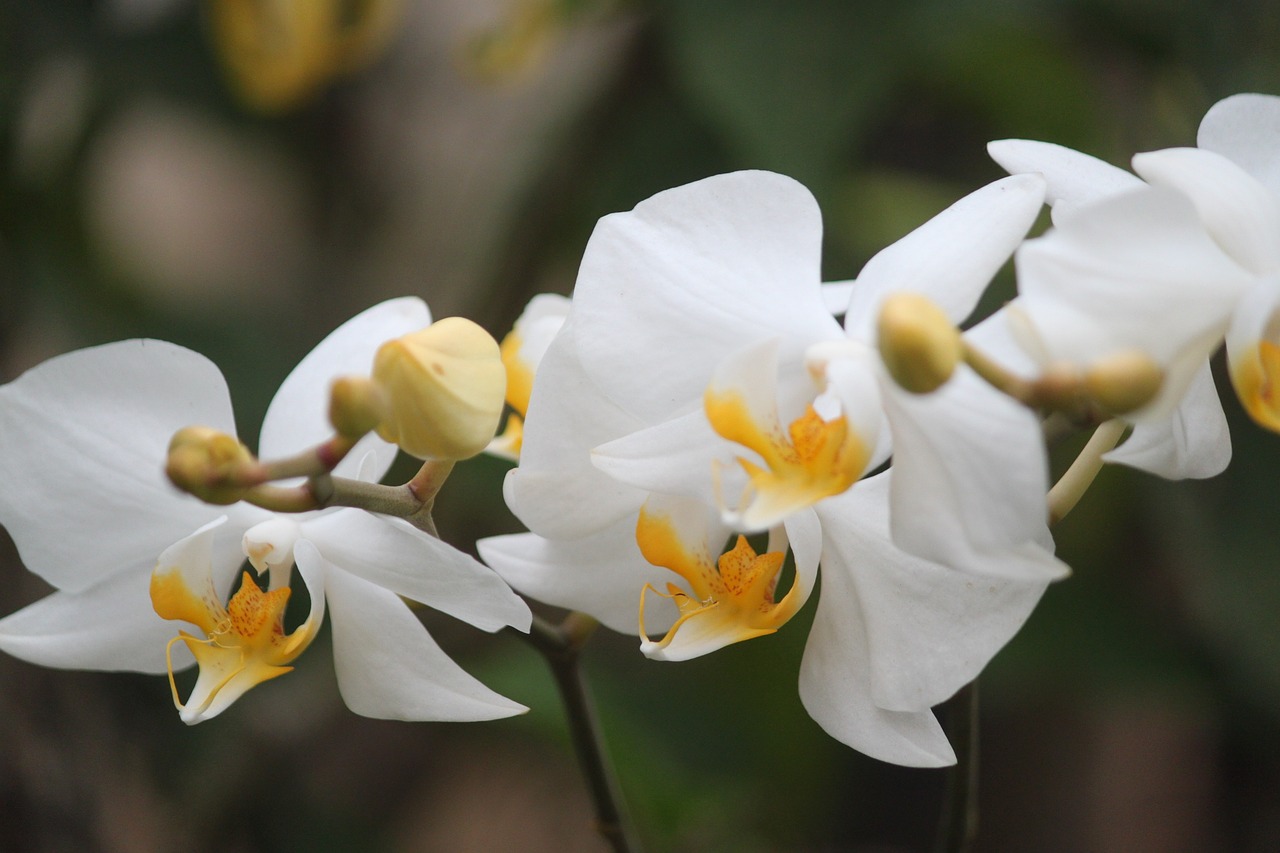
Anggrek Bulan is one of Indonesia’s pride flowers because it is crowned as puspa pesona, or the national flower. Its beauty emanates from its wide and elegant white petals, with a touch of yellow gradation in the center.
Known as Phalaenopsis amabilis, these orchids are often developed through tissue culture for conservation and trade purposes. The name ‘Moon Orchid’ itself is given because of its shape and appearance that resembles a full moon, presenting a graceful and charming impression.
Different from orchids in general, black orchids have a unique characteristic in the form of a flower tongue (labellum) solid black in contrast to the green petals. This uniqueness makes it one of the most exotic orchids in Indonesia.
This species of the genus Coelogyne is found only in Borneo and Sumatra, making it one of the rare endemic orchids. Unfortunately, the Black Orchid population continues to decline due to habitat destruction, so it is included in the list of protected plants.
Found in North Sumatra, this orchid was named Anggrek Hartinah in honor of Raden Ayu Siti Hartinah, the wife of President Suharto. This flower has golden yellow petals with a red-brown motif that makes it look so elegant.
Unfortunately, this orchid is now threatened with extinction due to the destruction of its natural habitat. Without serious conservation efforts, the beauty of this orchid can disappear from nature.
This is the largest orchid in the world! Grammatophyllum speciosum, or better known as the sugar cane Orchid, earned the nickname ‘giant orchid’ because of its incredible size.
This plant can grow up to 3 meters with hundreds of flowers in a clump. The flowers are yellow with brown spots, resembling Tiger shades. Sugarcane orchids are widely found in the forests of Borneo, Sumatra, and Papua, making it one of the most impressive orchid species in Indonesia.
One of the unique orchid species from Borneo has a flower shape that resembles a pitcher plant, making it look so distinctive. The species is named after an Indonesian botanist who discovered it, as a tribute to his contribution to the world of flora.
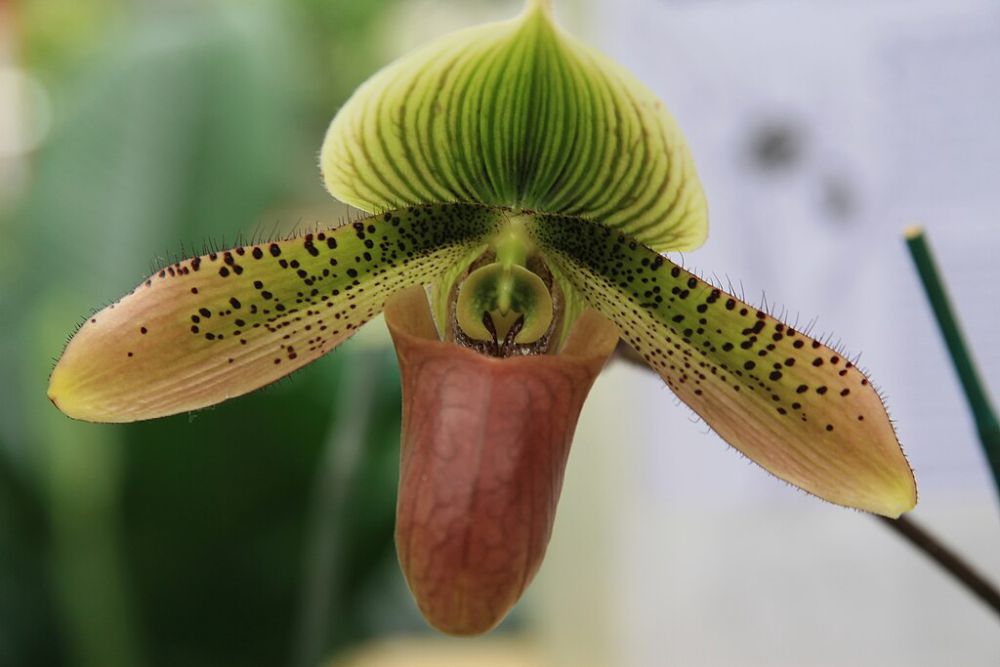
Orchids of the genus Paphiopedilum not only have an exotic appearance, but also become one of the rare species that need to be preserved.
This typical Sumatran orchid has a unique feature in the form of a long ‘mustache’ on the flower, giving the impression of exotic and elegant. Belonging to the genus Paphiopedilum, this orchid is one of the species with the most characteristic forms in the orchid world.
Its beauty and rarity make the kumis shoe Orchid much hunted by ornamental plant collectors, so it requires conservation efforts to remain sustainable.
From the genus Dendrobium, the kebutan orchid is known for The Shape of its petals, which are notched and resemble tangled hairs. Due to its unique and slightly ‘eccentric’ appearance, this flower is often nicknamed the ‘alien Orchid’.
The uniqueness of its shape makes the kebutan orchid a special attraction in the world of ornamental plants, although in its natural habitat it still faces various environmental threats.
The Larat orchid is an endemic species of the Maluku Islands known for its striking and long-lasting bright purple flowers. Originating from the genus Dendrobium, this orchid is often cultivated for its beauty as well as its high durability.
Interestingly, the name of this species is often confused with Phalaenopsis because of the similar shape of the flowers. Not only beautiful, Larat orchids also have high economic value in the ornamental plant trade.
Found in Java and Sulawesi, the Emerald orchid has yellowish-green flowers with reddish-brown spots. Its characteristic green color inspired its name, as it resembles a precious emerald stone.
Not only interesting in terms of aesthetics, this orchid also has cultural value, because it is often used in various traditional rituals in the area of origin.
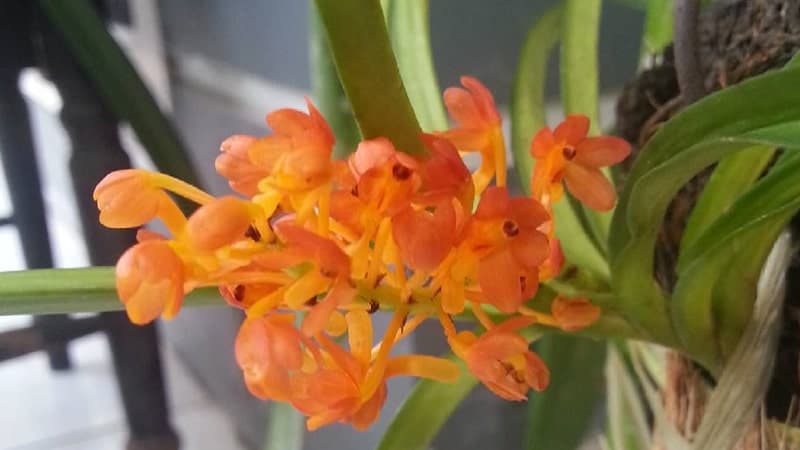
The dragon scale orchid has fiery red flowers with a speckled motif that resembles reptile scales, making it one of the most striking orchids in nature. This species of the genus Renanthera is found in the forests of Sumatra and Borneo.
Its beauty and uniqueness make this orchid even more popular among ornamental plant lovers, although its survival in nature is still noteworthy.
Ecological role of orchids;
Orchids are not just beautiful houseplants, SobatYiari! They play an important role in the ecosystem, especially in Indonesia’s tropical forests. Here are some of the ecological roles of orchids:
1. Supporting Biodiversity
Orchids become a home and food source for various types of insects, birds, and other small animals. Some orchid species even have a special relationship with certain insects in the pollination process.
2. Helps The Pollination Process
Many orchid species have unique pollination mechanisms. Some of them use clever tricks, such as resembling the shape and scent of female insects to attract males to help pollinate!
For example, Ophrys apifera , otherwise known as the ‘bee orchid,’ mimics the appearance of a female bee to attract a male bee, which unknowingly helps the pollination process.
3. Maintaining The Balance Of The Forest Ecosystem
As epiphytic plants (they grow attached to trees without harming their hosts), orchids contribute to maintaining the structure of the forest. The presence of orchids also indicates the health of the ecosystem, as they are very sensitive to environmental changes. In addition, orchids provide shelter for small insects and microorganisms.
4. A Bioindicator Of Environmental Health
Orchids are known as bioindicators because they are very sensitive to changes in temperature, humidity and air pollution.
Research published in the Journal Review of Education and teaching in 2023 said orchids can be used as an indicator of climate change. In fact, every 1°C rise in temperature in spring can accelerate the initiation of flowering by five to seven days.
The loss of orchid populations in an area can be a sign of environmental degradation, such as deforestation or air pollution.
5. Supporting food webs in nature
In addition to being a source of food for some animals, the roots and leaves are a place of life for microorganisms that play a role in the decomposition process and maintain soil fertility.
Orchid flowers, nectar and fruits are also a source of nutrients for various wildlife, such as birds, bats and insects. For example, Dendrobium nectar is often consumed by Honey-sucking birds, which also helps in the pollination process.
Threats to orchids in Indonesia
The beauty of orchids is not just a natural charm, but also part of the balance of the ecosystem. Unfortunately, this flower faces various serious threats that threaten its preservation in the wild.
Here are some of the main factors that cause Orchid populations in Indonesia are increasingly threatened:
1. Deforestation and Habitat loss
Forest loss due to illegal logging, land conversion into plantations, and infrastructure development are the biggest threats to Orchid survival.
According to Global Forest Watch, Indonesia lost about 10.1 million hectares of primary forest between 2002-2020. This loss has a direct impact on orchids that depend on trees as a place to grow (epiphytes) or live on the forest floor.
When their natural habitat disappears, orchids lose their place to thrive, making many species increasingly difficult to find in the wild.
2. Exploitation and illegal trade
Rare orchids are often the target of collectors and are sold at high prices on the black market. One example is the Borneo Black Orchid (Coelogyne pandurata), which can cost millions of rupiah.
Reporting from Mongabay in 2023, until now there are still many collectors from home and abroad who hunt orchids without considering the impact on natural populations. The massive removal of orchids from their natural habitat without conservation efforts can lead to the extinction of certain species in a short time.
3. Natural factors and Climate Change
Changes in temperature and rainfall patterns due to global warming disrupt the life cycle of orchids. Some species, such as Paphiopedilumjavanicum, which is an endemic Orchid of Java, are finding it increasingly difficult to survive as their habitat becomes unstable.
Volcanic activity is also a threat. For example, the eruption of Mount Merapi which can damage the habitat of orchids in the region. Volcanic ash and lava flows can destroy forest ecosystems that are home to many types of rare orchids.
4. Infectious diseases and viral attacks
Another threat that often goes unnoticed is infection with diseases in orchids.
A study from Gadjah Mada University in 2018 found that Phalaenopsis orchids in Indonesia are susceptible to various viruses, such as Ondotoglossum Ringspot Virus (orsv). This Virus can attack the leaves and flowers of orchids, causing stunted growth and even death of the plant.
The attacks of this disease are increasingly worrying, especially in habitats already disturbed by deforestation or drastic environmental changes.
Orchid conservation efforts in Indonesia
If you ask me, is the orchid flower protected in Indonesia? The answer is of course yes!
As one of the rare flowers and has a high ecological value, orchids receive legal protection in order to remain sustainable in nature.
How many species of orchids are there in Indonesia? According to the IUCN Red List, about 200 orchid species in Indonesia are in the Endangered category. This figure shows how important conservation efforts are to save our biodiversity.
Here are some concrete steps that have been and need to continue to be done to protect orchids in Indonesia:
1. Legal Protection
One of the main measures in orchid conservation is to ensure legal protection. The law was created so that humans could not carelessly exploit or trade rare orchids.
In Indonesia, the protection of rare orchids has been regulated in law No. 5 of 1990 on the Conservation of living Natural Resources and ecosystems.
In addition, some orchid species are also protected by CITES (Convention on International Trade in Endangered Species), which regulates international trade in flora and fauna so as not to lead to extinction.
2. Designation Of Conservation Areas
The Indonesian government has established various conservation areas to protect orchids and other biodiversity. Some of the areas that are habitat for rare orchids include:
Lorentz National Park, Papua -home to a variety of exotic orchid species found only in tropical mountainous areas.
Gunung Leuser National Park, Sumatra -one of the largest tropical rainforests where various types of rare orchids grow.
3. In Situ and Ex Situ conservation
Orchid conservation is carried out through two main approaches, namely in situ conservation and ex situconservation. Both of these methods have an important role in keeping Orchid populations sustainable in nature.
In Situ conservation (in their natural habitat)
In situ conservation is an effort to protect orchids directly in their natural habitat by maintaining the ecosystem and environment in which they grow. This approach ensures that orchids continue to develop naturally without needing to be removed from their original ecosystem.
One vivid example of in situ conservation is the Orchid Adoption Program at Mount Merapi, which involves local communities in replanting and rearing endangered orchids. This Program helps restore Orchid populations affected by the eruption of Mount Merapi, as well as providing education to the public about the importance of preserving endemic flora.
Ex Situ conservation (outside their natural habitat)
Ex situ conservation is done by growing and propagating orchids outside their natural habitat. This method is often used for species that are already rare or endangered in order to remain able to thrive without facing threats from the wild.
One of the frequently used techniques is tissue culture, which allows the propagation of orchids on a large scale while maintaining their genetic purity. For example, in vitro propagation of Dendrobium lineale Blue has been carried out to ensure the survival of this species, especially since its natural habitat is being reduced due to deforestation.
4. Research, breeding, and Genetic Engineering
Research and breeding are important steps in orchid conservation efforts, especially for endangered species. Institutions such as the Bogor Botanical Garden and LIPI (Indonesian Institute of Sciences) have been active in developing methods of orchid propagation through modern technology.
One of the successful conservation programs is the propagation of Phalaenopsis amabilis (Moon orchid) through tissue culture techniques, which allows orchids to thrive in large numbers without having to take them directly from nature.
In addition, research continues to be conducted to understand the specific needs of orchids, from habitat, growth patterns, to responses to environmental changes. Genetic engineering is also being developed to create orchid species that are more resistant to disease and climate change.
5. Education and socialization
Orchid conservation is not only the responsibility of scientists or governments, but also the wider community. Therefore, various environmental organizations, such as the Indonesian Orchid Association (PAI), are actively educating the public about the importance of preserving orchids and the dangers of illegal trade. This Campaign aims to raise public awareness that orchids are not only ornamental plants, but also part of the ecosystem balance.
In addition, orchid cultivation training programs for local communities around their habitats are an important strategy to reduce wild capture from nature. By providing the correct cultivation skills, people can benefit economically from orchids without harming their ecosystem.
It’s time to preserve Indonesian orchids together!
How, Buddy # KonservasYIARI, already know more types of Indonesian orchids, right?
In addition to being a beautiful flower, orchids also play an important role in the ecosystem. However, with various threats that continue to increase, conservation is the main key in maintaining its sustainability.
Through a combination of legal protection, conservation in nature and outside the habitat, research, and community education, we can ensure Indonesian orchids remain sustainable. That way, future generations can still enjoy the beauty and biological wealth of this country.
Come on, contribute to the preservation of orchids!
What is Steppe? Definition, Flora, Fauna, characteristics, types, and supporting components
In the vast land that stretches in different parts of the world, have you ever found a place with very low air humidity?
Perhaps the first thing that comes to mind is the deserts of the Middle East. However, did you know that similar ecosystems can also be found in Asia, even in Indonesia?
Yup, in addition to deserts, there are other ecosystems that also have low air humidity, namely steppes. Unlike the savannas, which are still covered with several types of trees, the steppes are dominated by grasses and shrubby plants without the conspicuous presence of trees. It is these conditions that make the steppes known as vast and dry grasslands.
Citing National Geographic, the steppes only receive about 250-500 millimeters of rainfall per year. This low and uneven amount of precipitation makes the vegetation in the steppes limited.
To understand more about this unique ecosystem, check out the following explanation of the definition, characteristics and types of Steppes!
Definition Of Steppe
According to Kamus Besar Bahasa Indonesia (KBBI), a steppe is a vast and dry flat land, which is only overgrown with shrubs. Steppes can also be defined as vast grasslands.
Meanwhile, according to Britannica, the term “steppe” comes from the Russian language, which means “flat grassy plain”. This ecosystem is widely found in temperate regions, such as the United States, Siberia, Tibet, China, and several regions in Indonesia. Generally, steppes are located far from the sea and are in the vicinity of mountains. This geographical condition causes the air humidity to tend to be low or dry.
Stepa / pixabay.com/jackmac34
In general, the average temperature of the steppes in East Asia ranges from 25°C in summer and can drop to -15°C in winter. Meanwhile, the steppes in the European region have more stable temperatures, with an average of no more than 20°C in summer and about 0°C in winter.
Steppes are also known as transitional biomes between wet climates and dry climates. Its low air humidity makes this ecosystem not dry enough to be a desert, but also not fertile enough to be covered with trees in large quantities.
Flora that lives in the Steppe biome
Low and uneven rainfall in the steppes greatly affects the type of flora that can grow in these ecosystems. Generally, steppe vegetation is dominated by various types of grasses, shrubs and shrubs no more than 50 centimeters high.
Grass that is in the steppe / pixabay.com/thelegendreturn
Some specific examples of plants that are able to survive in this windy and semi-arid environment include feather grass (Nasella tenuissima) and needle grass (Andropogon aciculatus).
In addition, some other plants commonly found in the steppes include:
Bearded Iris (Iris germanica)
Aster (Aster)
Anyelir (Dianthus caryophyllus)
Purple cone flower (Echinacea angustifolia)
Rumput biru (Festuca glauca)
Tanaman es (Mesembryanthemum crystallinum L.)
Lili buntut rubah (Eremurus)
Peony (Paeonia)
Kaktus (Cactaceae)
The climate and humidity of the air in the steppes play a role in determining the characteristics of the flora living in them. Most of the plants in these meadows have a solid body structure and are able to adapt to extreme climatic changes from season to season.
During the dry season, some plants may produce fewer flowers as a survival strategy. Meanwhile, there are also types of plants that are precisely able to adapt to low humidity conditions and thrive when there is less rainfall.
Fauna living in the Steppe biome
The presence of faunal species in the steppe biome is strongly influenced by the type of flora or vegetation that grows in the steppe. In other words, the flora and fauna that inhabit the steppes coexist in an ecosystem that supports each other.
Fauna existing in the steppes / pixabay.com/ahmetyuksek
Short grass vegetation in the steppes becomes an ideal habitat for various large mammals, such as:
Bison (Bison)
Ox (Bos taurus)
Domba (Ovis aries)
Kuda (Equus caballus)
Antelop (Antilope cervicapra)
Kambing (Capra aegagrus hircus)
In addition to these mammals, reported by Animalia, some other fauna commonly found in the steppes include:
Leopard (Panthera pardus)
Musang madu (Mellivora capensis)
Wild boar (Sus scrofa)
Elang buteo (Buteo buteo)
Burung hering berjanggut (Gypaetus barbatus)
Kucing liar Afrika (Felis lybica)
White stork (Ciconia ciconia)
Kura-kura Rusia (Testudo horsfieldii)
Little owl (Athene noctua)
Egyptian snake (Naja haje)
Babon chacma (Papio ursinus)
Wolf (Canis lupus)
Rubah (Vulpes vulpes)
Among the list of fauna above, there are several ferocious predators that inhabit the steppes, such as leopards, wolves and foxes. Their presence is inseparable from the presence of herbivorous mammals that are the main prey.
These relationships form a natural food chain, which ensures that the balance of the ecosystem is maintained.
Features of the Steppe
Although they are both grassland ecosystems, steppes have a fundamental difference from savannas. The main difference between them lies in the type of vegetation. The steppes are inhabited only by short plants and shrubby plants, while the savannas have a few tall trees scattered over long distances.
Stepa / pixabay.com/Nyamdorj
Here are some of the characteristics of the steppe biome that distinguish it from other ecosystems:
Irregular rainfall, ranging from 250-500 millimeters per year
Low air humidity, causing conditions that tend to be dry
The soil is arid and less fertile, so it does not support the growth of large trees
Extreme temperatures, hot during the day and cold at night
Vegetation is dominated by grasses, with few shrubs
There are no big trees, only small plants
The average vegetation height is less than 50 centimeters
Located between desert and forest, making it a transitional region
Spread on almost all continents, except Australia and Antarctica
Steppes can be found in different parts of the world, such as the United States, Siberia, Tibet and China.
One of the largest and most famous steppes in the world is the Eurasian Steppe, which stretches from Eastern Europe to Central Asia, covering the territory of Ukraine, Russia, Kazakhstan, Turkmenistan, Uzbekistan, Xinjiang (China), Mongolia and Manchuria.
Types of Steppes
Based on climatic conditions, steppes can be divided into three main types, each of which has different characteristics depending on the level of precipitation, temperature and geographical location:
1.Stepa tropis
The tropical steppe is an intermediate region between a wet tropical climate and a dry tropical climate. The main characteristic of tropical steppes is the higher annual rainfall compared to steppes located in temperate or subtropical regions.
However, despite being wetter, these steppes still have less fertile soil characteristics and a predominance of vegetation in the form of grasses and shrubs.
2. temperate climate steppes
Temperate climate steppes receive up to 500 millimeters of precipitation per year. One of the main characteristics of these steppes is the extreme change in temperature between summer and winter. In summer, temperatures can rise significantly, while in winter, temperatures can drop dramatically to near freezing.
3.Stepa subtropis
Subtropical steppes generally have higher and more evenly distributed rainfall than temperate steppes. This region tends to experience more moderate temperature changes and has slightly higher air humidity than the rest of the steppes.
Steppe Support Components
As one of the large-scale ecosystems on Earth, the steppe has several supporting components that maintain the balance of its ecosystem. Here are the main components that support life in the steppes:
1. Autotrophic organisms
Autotrophic organisms are living beings that can produce their own food through the process of photosynthesis, taking advantage of sunlight, water and carbon dioxide. In Steppe ecosystems, autotrophs play the role of the main producers that become a source of food for other organisms.
Examples: grasses, shrubs and various types of plants typical of the steppes.
2. Heterotrophic organisms
Heterotrophic organisms are living things that cannot make their own food and therefore must consume other organisms to survive. In Steppe ecosystems, heterotrophic organisms act as consumers, both as herbivores (plant eaters) and carnivores (predators of other animals).
Examples:
Herbivora: sapi, kuda, kambing, domba, antelop, dan bison.
Carnivores: wolves, foxes and Eagles.
3. Abiotic components
Abiotic components are non-biological environmental factors that greatly affect the life of living beings in the steppes. These factors create conditions typical of the steppes that are dry, windy and have extreme temperature changes.
Examples:
Soils -tend to be less fertile and have a low moisture content.
Sunlight -plays an important role in the process of photosynthesis of plants.
Air -tends to be dry with low humidity levels.
Water -its amount is limited due to low and uneven rainfall.
Boulders -help to form the structure of the soil in the steppes.
4. Decomposing organisms
Decomposing organisms or decomposers are living things that decompose the remains of dead organisms as well as waste products from other organisms. The presence of decomposers is essential in the recycling of nutrients, so that organic substances can return to the soil and favor the growth of vegetation in the steppes. Examples:
Insects – such as maggots and termites.
Earthworms -help loosen the soil and decompose organic matter.
Bacteria & fungi -in charge of decomposing dead organisms into nutrients for the soil.
Mosses & amp; snails -take part in decomposition processes in Steppe ecosystems.
Exploring the beauty of the steppes: a unique and amazing tourist destination
Besides being found in the United States, Siberia, Tibet, and China, steppes can also be found in Indonesia, you know!
One area that has a steppe ecosystem is East Nusa Tenggara (NTT), especially on the island of Timor. There, you can see vast expanses of grasslands and various steppe grass-eating animals cultivated by the local community.
Although not as popular as Savanna, the steppe biome still has a unique natural charm and is often used as a tourist destination. Its vast landscape with typical grass vegetation and the diversity of large mammals are its main attractions. The beauty of the steppes is no less amazing than other ecosystems.
So, are you interested in exploring the beauty of the steppes and feeling the atmosphere of a different nature?
8 examples of ecotourism in Indonesia: enjoying nature while preserving it
# KonservasYIARI,
Have you ever thought that vacation can be a fun way to participate in preserving nature? This is the concept of ecotourism—take a walk while contributing to the environment!
Indonesia, with its incredible natural wealth, is included in the top 10 countries with the best ecotourism index in the world. Not only that, our country also has 209 species of protected animals—the most in the world! Proud, right?
From the tropical rainforests of Borneo, the underwater charms of Raja Ampat, to the vast savannahs of Baluran National Park, Indonesia offers a beautiful and meaningful adventure. It’s no wonder that the trend of ecotourism continues to increase, with millions of tourists choosing eco-friendly destinations every year.
Let’s find out how holidays can be more than just fun, but also have a positive impact on nature!
What Is Ecotourism?
Ecotourism is a form of travel that focuses on Nature Conservation, local community empowerment, and education for tourists. This concept is not only about enjoying the beauty of nature, but also prioritizes responsibility in maintaining the balance of the local ecosystem and culture.
According to Honey (2008) in his book Ecotourism and Sustainable Development, ecotourism carries the principle of responsible tourism with the aim of protecting biodiversity and respecting local customs and culture.
More broadly, ecotourism is part of the concept of sustainable tourism, which is a tourism approach that considers long-term environmental, social, cultural, and economic impacts. This concept is based on four main pillars, namely:
Environmental sustainability: ensuring tourist activities do not damage natural ecosystems.
Socio-cultural sustainability: respect and preserve the Customs and culture of local communities.
Economic sustainability: providing equitable financial benefits to local communities.
Sustainability management: ensuring all aspects of tourism are managed with the principles of responsibility and sustainability.
Why Is Ecotourism Important?
Ecotourism is not just a trend in the tourism industry, but an approach that has a real impact on the environment, communities and local economies. Here are some reasons why ecotourism is so important:
1. Preserving Nature
Ecotourism helps protect ecosystems by reducing the negative impacts of conventional tourism, such as pollution, habitat destruction, and exploitation of Natural Resources. With the principle of sustainability, ecotourism encourages tourists to be more aware of the importance of maintaining biodiversity and not leaving traces that damage the environment.
2. Empowering Local Communities
One of the main goals of ecotourism is to provide direct economic benefits to local communities. In contrast to mass tourism, which often only benefits large investors, ecotourism creates employment opportunities for local residents, such as tour guides, artisans and homestay managers. In addition, ecotourism also encourages people to preserve their culture and traditions, which is the main attraction for tourists.
3. Raising awareness and education
Ecotourism teaches tourists the importance of preserving local nature and culture. Through hands-on experience, travelers better understand how their actions can impact the environment. Activities such as conservation tours, reforestation programs, or wildlife watching provide in-depth insights into ecosystem sustainability and protection.
4. Supporting A Sustainable Economy
Compared to the exploitation-based tourism industry, ecotourism offers a more sustainable economic model. With a responsible system, income from ecotourism can be used to fund conservation projects, the development of environmentally friendly infrastructure, as well as improving the welfare of local communities without damaging natural resources.
5. Reducing The Impact Of Mass Tourism
Mass tourism often leads to over-tourism which leads to environmental degradation and local culture. Ecotourism offers a more responsible alternative by limiting visitor numbers, implementing strict conservation rules, and encouraging more sustainable tourism practices.
8 examples of ecotourism destinations in Indonesia and their role in helping conservation
Indonesia has a variety of natural tourist destinations that play an important role in Environmental Conservation. From trekking in tropical rainforests to snorkeling in Coral Reef-rich waters, ecotourism in Indonesia is designed to minimize negative impacts on the environment while raising tourists ‘ awareness of the importance of conservation.
So, which ecotourism destinations should be on your travel list?
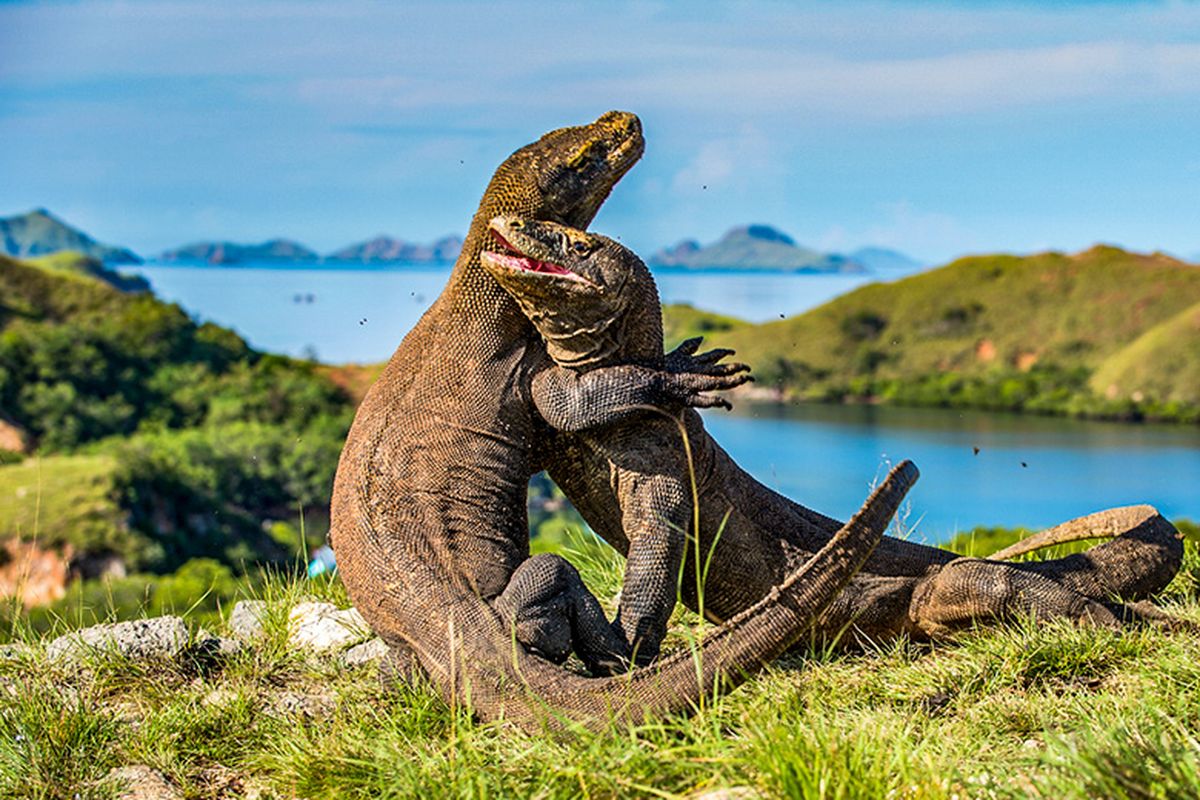
Komodo National Park is the only native habitat for the komodo dragon (Varanus komodoensis), the largest ancient lizard species in the world. This area is a popular tourist destination that implements strict conservation systems, such as restrictions on the number of visitors and registration systems.
It aims to maintain the balance of the ecosystem and reduce interference with the natural habitat of komodo dragons. In addition, the government also implements conservation-based tickets, so that each tourist visit contributes directly to the protection of this species.
In Komodo National Park, you can do various ecotourism activities, such as trekking on Rinca Island and Komodo Island to observe komodo dragons in their natural habitat. In addition, snorkeling in the waters of Pink Beach offers the experience of seeing the incredible marine biodiversity. For a more in-depth experience, you can also visit the komodo Conservation Center and learn about the efforts to preserve these rare animals.
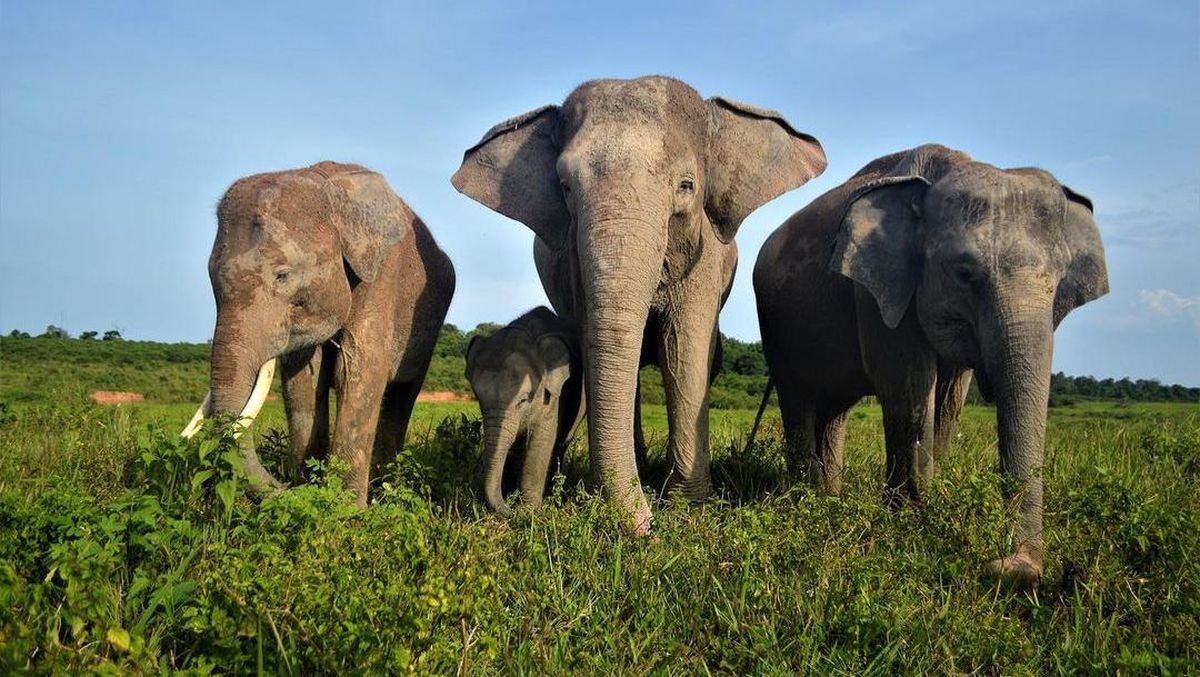
Located in Lampung Province, Way Kambas National Park is a Conservation Center for the endangered Sumatran elephant (Elephas maximus sumatranus). In addition to protecting wildlife, the National Park also plays a role in reducing conflicts between humans and elephants due to deforestation and poaching.
One of the main conservation efforts here is the Elephant Conservation Center, which is responsible for the rehabilitation, training and release of elephants back into the wild.
Tourists who visit Way Kambas can take a nature safari to observe elephants in their natural habitat. In addition to elephants, this National Park is also home to Sumatran tigers, tapirs, and various endemic bird species that can be observed through birdwatching activities.
Ujung Kulon National Park is known as the last habitat of the Javan Rhinoceros (Rhinoceros sondaicus), one of the rarest species in the world. Due to its very small numbers, the area is tightly managed to ensure that tourist activities do not interfere with wildlife life.
Ujung Kulon National Park also protects lowland rainforests that are rich in biodiversity, playing an important role in ecosystem balance.
In Ujung Kulon, you can enjoy various ecotourism activities, such as trekking in the rainforest to observe endemic flora and fauna. Birdwatching is also popular, as the area is home to a variety of rare bird species.
Bunaken National Park is one of the best marine ecotourism destinations in Indonesia, famous for its extraordinary underwater beauty. The region’s coral reefs are home to more than 390 species of coral, 90 species of fish, as well as a variety of other marine life, including green turtles and reef sharks.
To maintain the ecosystem, the government and local communities implement various conservation efforts, such as bans on explosive fishing, rehabilitation of coral reefs, as well as restrictions on the number of divers in sensitive areas.
When visiting Bunaken, you can enjoy various ecotourism activities, such as snorkeling and diving to explore the amazing underwater life. In addition, educational tours on marine conservation are also available, where you can learn the importance of preserving marine ecosystems and how the role of local communities in protecting this area.
5. Tanjung Puting National Park, Central Kalimantan
Tanjung Puting National Park is a Conservation Center for the Bornean orangutan (Pongo pygmaeus), a primate species increasingly threatened by deforestation and illegal trade. The area has several orangutan research and rehabilitation stations, such as Camp Leakey, which was established to rescue and care for orangutans before they were released back to their natural habitat.
One of the best ways to explore this National Park is by taking a klotok, a traditional wooden boat that takes tourists along the Sekonyer River. During the trip, you can observe orangutans in their natural habitat, as well as see various other wildlife, such as proboscis monkeys and hornbills.
Nglanggeran Tourism Village in Yogyakarta offers a unique ecotourism experience by combining natural beauty, local cultural wisdom, and environmental education. This village is famous for the ancient volcano Nglanggeran, a million-year-old geological area that is a major attraction for tourists.
The specialty of this village lies in the conceptof community-based tourism, where local residents act as tour guides, homestay accommodation providers, and managers of various tourist activities. Thus, you can enjoy the beauty of nature while contributing directly to the welfare of the local community.
You can also try various ecotourism activities, such as climbing an ancient volcano, learning to grow crops in a citizen’s garden, participating in forest conservation, or participating in regional handicraft workshops.
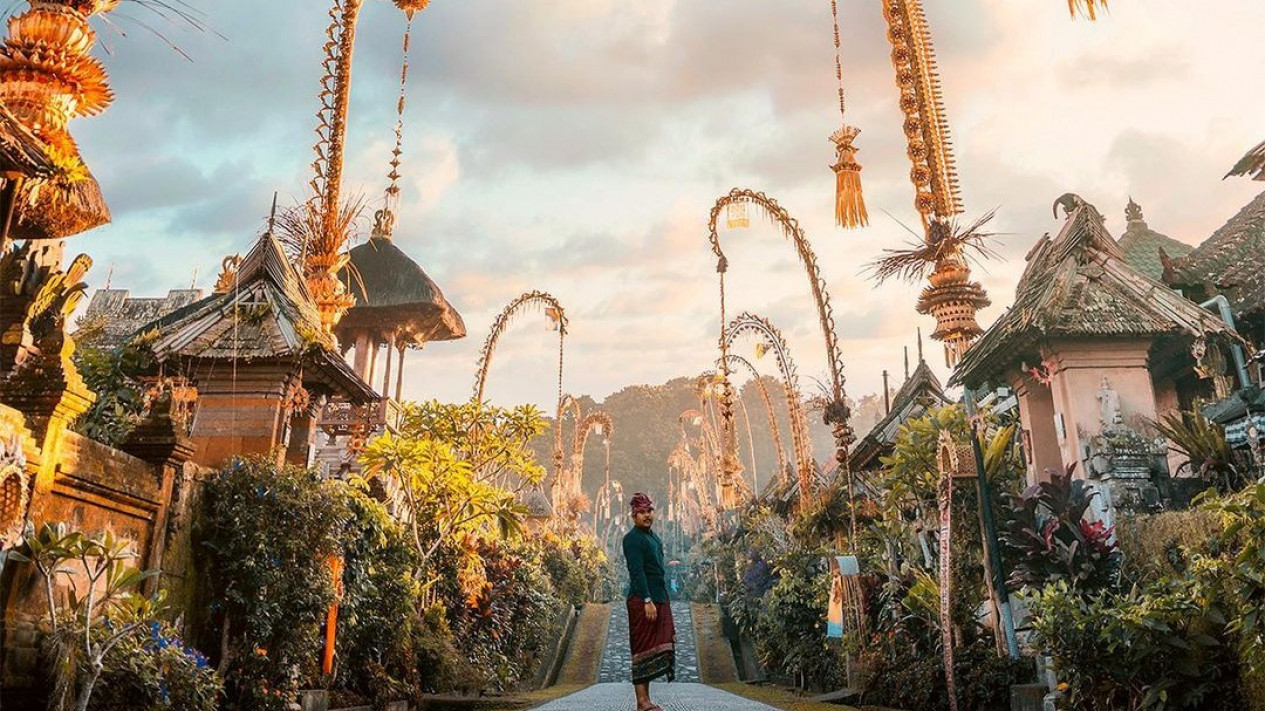
Bali is not just about beaches and luxury resorts, you know! If you are tired of the hustle and bustle of the capital, you can take a vacation to Penglipuran Tourism Village, Bali.
Here, you can feel a more authentic Balinese feel with traditional culture and architecture that is still preserved. The village is known as one of the cleanest villages in the world, and this is no coincidence—it is the result of people’s awareness in taking care of their environment.
The village emphasizes social and cultural aspects in the management of its tourism. Not only exploring the village, you can follow traditional rituals, taste Balinese cuisine, and learn directly from the locals about the philosophy of living in harmony with nature.
Interestingly, this village is also active in preserving the environment, such as organic waste management and reforestation.
By visiting Penglipuran, you not only enjoy the beauty of nature and culture, but also support environmental conservation efforts and Balinese traditions.
Last but not least, siapa yang tidak terpesona dengan keindahan Raja Ampat? This destination is said to be one of the richest marine ecosystems in the world, with 75% of the coral species on earth can be found here.
The high interest of tourists certainly brings its own challenges, and therefore, the concept of ecotourism is key. The government and local communities impose a system of entry permits, restrictions on the number of visitors, as well as strict rules for tour operators.
As a tourist, you can do many exciting things such as diving, snorkeling without touching coral reefs, participating in Coral adoption programs, or living in homestays run by local residents. That way, the beauty of Raja Ampat can continue to be enjoyed by future generations.
The benefits of ecotourism for Environmental Education and the local economy
Ecotourism is not just a sightseeing activity, but also has a huge impact on the environment and local communities. With a concept that focuses on sustainability, ecotourism plays an important role in environmental education, local economic empowerment, and cultural preservation.
Here are some of the main benefits of ecotourism:
1. Education on Nature Conservation
Ecotourism provides an opportunity for you to learn first-hand about the environment and natural ecosystems. Through direct interaction with nature, you can understand the importance of maintaining ecosystem balance and see the real impact of human activities on the environment.
In many ecotourism destinations, educational programs are available that allow you to participate in various conservation activities, such as coral reef rehabilitation, tree planting, or the release of wildlife into their natural habitat. With this hands-on experience, especially for the younger generation, ecotourism instills important values about sustainability and environmental responsibility.
2. Empowering Local Communities
Ecotourism opens up economic opportunities for the surrounding community without damaging nature. Local residents can earn income from various sectors, such as homestay management, becoming a tour guide, to the production of handicrafts and traditional culinary.
With ecotourism, people do not need to rely on the exploitation of natural resources that damage the environment, such as poaching or illegal logging. On the contrary, they can obtain economic benefits in a sustainable and environmentally friendly way.
3. Driving A Sustainable Economy
Ecotourism helps to create a more environmentally friendly economic system by prioritizing sustainability.
In addition, income from ecotourism is often reallocated to nature conservation programs, ecosystem rehabilitation, and improvement of tourist village facilities. Thus, ecotourism also ensures the well-being of the environment and society in the long term.
4. Preserving Cultural Identity
Many ecotourism destinations in Indonesia also focus on preserving local culture. You are invited to get to know more about local wisdom, follow traditional rituals, and learn traditional skills that are passed down from generation to generation, such as weaving, making batik, or playing traditional musical instruments.
With the increasing appreciation of local culture, ecotourism helps local people maintain their traditions. This not only provides added value for tourists, but also prevents the extinction of valuable cultural heritage.
Enjoy Nature While Maintaining Its Sustainability
Those are 8 ecotourism destinations in Indonesia that you must visit, along with all the benefits of ecotourism. In addition to offering an exciting holiday experience, these destinations also have an important role in preserving nature.
Always support ecotourism in Indonesia by taking care of the Earth and the environment wherever you are. So, ready for a meaningful holiday?
Featured Image: ecotourism in Indonesia / Mongabay
What are lichens? Definition, types, characteristics, and functions for the environment
The world of flora has a variety of unique and interesting plants, one of which is mosses or bryophytes. This plant can be found in various places, such as rocks, walls, cliffs, and soil. Although often overlooked, lichens actually play an important role for the environment and humans.
According to Mountain Moss, Moss is able to absorb rainwater like a sponge. This ability helps prevent flooding as well as maintain soil moisture, making it a plant that plays a role in ecosystem balance.
Moss also has benefits for the medical world. For example, liverwort(Hepaticopsida) can be used as a medicine for hepatitis C because it contains antiviral compounds. Later, peat moss (Sphagnum) could be used to treat acne, hemorrhoids, and skin diseases.
For more details, let’s see the definition, characteristics, types, and functions of the following moss plants!
Understanding Moss
Bryophytes (bryophytes) are small plants that do not have transport vessels (Xylem and phloem) to drain water and nutrients. In other words, Moss absorbs water directly through the surface of its body. These plants generally live in humid environments, such as rocks, cliffs, walls, tree trunks, and soil.
Mosses are autotrophic, which means they can produce their own food through the process of photosynthesis with the help of sunlight. In contrast to flowering plants, mosses do not produce flowers or seeds. Instead, mosses reproduce using spores.
Lumut (pixabay.com/ioa8320)
Although it is more commonly found in damp places, Moss can also grow in less wet environments. This is due to the presence of a waxy cuticle layer that envelops its body, thereby reducing excessive evaporation.
One of the unique things about lichens is their different structure from vascular plants. Lichens do not have true roots, stems and leaves, but rather simple structures that perform similar functions.
Moss Plant Structure
Lichen consists of several main parts, namely:
Rhizoids: rhizoids are root-like structures that serve to attach to a substrate (such as rock or soil) and absorb water, minerals, and nutrients.
Pseudo-stem (caulidium): the caulidium is the erect part that resembles the STEM and to which the pseudo-leaves are attached.
Pseudo-leaves (filidium): filidium is a flat structure resembling leaves that grow on the caulidium and serve as a place for photosynthesis.
Spore capsule: the spore capsule is the capsule-shaped part located at the end of the sporophyte stalk. This structure contains spores that will be released when ripe for the reproduction process.
Sporophyte stalk (seta): the seta is the elongated stalk that connects the sporophyte with the gametophyte. Its function is to lift the spore capsule to make it easier to spread.
Characteristics Of Moss Plants
Lichens have unique characteristics that distinguish them from other plants. These plants belong to The Division Bryophyta in the kingdom Plantae and are known as small plants that do not have transport vessels to drain water and nutrients.
Here are the general characteristics of moss plants:
Not flowering
Has no seeds
Reproduction by spores
Lacks true roots, stems and leaves
The roots are rhizoid-shaped, which serves to attach and absorb water and minerals
Generally have a height of about 0.2-10 cm
Living in humid environments, such as rocks, soil, tree trunks, walls, and cliffs
Are autotrophs, that is, they are able to make their own food through photosynthesis with the help of sunlight
Types of lichens
Generally, lichens are classified into three types, namely liverworts (hepaticopsida), hornworts (anthocerotopsida),and mosses (bryopsida):
1. Lumut hati (hepaticopsida)
Liverwort pixabay.com/Puckel)
Liverwort is a type of Moss in the form of a flat sheet with many grooves, resembling The Shape of a heart. According to Nacademy, liverworts are considered the most primitive type of lichen.
This plant usually grows in humid environments, such as tropical rainforests, as well as on rocks or soil near water sources such as rivers and lakes.
Characteristics Of Liverwort:
Body shape sheet, flat, and lobed
Similar to heart shape
Has a lot of indentation
It has no true stem and leaves, but is talus-shaped
The roots are rhizoids
Reproduce sexually and asexually
Autotrophic
Has an umbrella-shaped reproductive apparatus
Sticks to rocks, soil, and leaves of trees
Some examples of common liverwort species include:
Hornwort got its name because it has an elongated sporophyte resembling a horn. This plant is usually found in damp and shady places, such as rocks, soil, ditches, river banks, or lake shores.
Characteristics of hornwort:
Lacks true stems, leaves and roots
The body is flattened like a leaf or ribbon-shaped (talus)
Sporophytes are elongated in shape resembling horns
The roots are rhizoids
Living in symbiosis with cyanobacteria in its cavity
Reproduce sexually and asexually
Some examples of hornwort species that are often found include:
Phaeoceros laevis
Anthoceros fusiformis
Notothylas valvata
3. Mosses (bryopsida)
The light bulb (pixabay.com/adege)
Mosses are the largest group of mosses compared to other types of mosses. This type is found in humid environments, such as forests, swamps, and plantations. Mosses can grow on a variety of surfaces, such as soil, rocks, wood, even a little in the water.
Characteristics of mosses:
The roots are rhizoids
The leaves are sheet-shaped
Have cuticles and stomata
Can grow in harsh or disturbed environments
Experiencing a period of dormancy during the long summer
Reproduce sexually and asexually
It has two forms of generation in its life cycle, the gametophyte (dominant phase) and the sporophyte (spore-producing phase)
Some examples of common lichen species include:
Funaria sp.
Polytrichum sp.
Sphagnum sp.
The function of lichens in ecosystems and Human Life
In addition to acting as small plants that decorate rocks or moist soil, mosses also have important functions in ecosystems and human life. Here are some of the main functions of lichens:
1. Maintaining The Balance Of The Ecosystem
Mosses act as pioneers in ecosystems, being the first plants to grow in environments that do not yet have vegetation, such as rocky areas or arid lands. Mosses help form the soil layer by breaking down rocks and retaining moisture, allowing other plants to grow.
2. Absorb and store water
Moss has a sponge-like ability to absorb rainwater. With this property, Moss helps reduce the risk of flooding as well as keeping the surrounding soil moist.
3. Prevent Soil Erosion
With their ability to retain water and cover the soil surface, mosses help prevent erosion caused by wind or rainwater. This is especially important in hilly areas or soil prone to landslides.
4. Provides Habitat for microorganisms
Lichens become a living space for various microorganisms, small insects and invertebrates. Some small animals make it a shelter and a source of food.
5. Role in the carbon and oxygen cycle
As autotrophic plants, mosses perform photosynthesis, which means they absorb carbon dioxide (CO₂) and produce oxygen (O₂). Thus, lichens help maintain the balance of gases in the atmosphere.
6. Used in medical field
Some types of lichens contain compounds that are beneficial to human health. For example. liverwort (Hepaticopsida) contains antiviral compounds that are used as hepatitis C drugs. While peat moss (Sphagnum) has antiseptic properties that are used in the treatment of wounds, acne, and skin diseases.
7. Used in industry and daily life
Peat moss (Sphagnum) is often used as a growing medium in agriculture and horticulture because it can absorb and store water well. Some mosses also play a role in the manufacture of perfumes and natural coloring materials.
The important role of lichens in ecosystems and life
Mosses may seem like small plants that are often overlooked, but their role in ecosystems and human life is enormous. As pioneer plants, mosses help shape the soil, absorb water, prevent erosion, and provide habitat for a variety of organisms. In addition, Moss also has benefits in the medical, industrial, and agricultural fields.
The presence of mosses contributes to maintaining the balance of the ecosystem as a whole. Therefore, it is important for us to understand and preserve this plant so that its benefits can continue to be felt by future generations. By getting to know more about Moss, we can better appreciate its role in everyday life.




:strip_icc():format(webp)/kly-media-production/medias/3155800/original/070769500_1592454061-flower-1589157_1920.jpg)